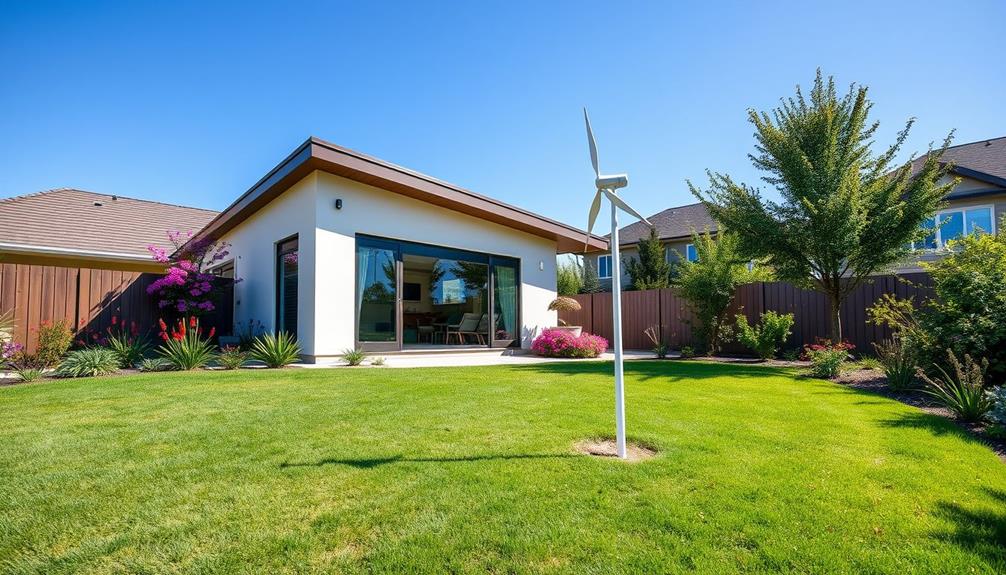

When it comes to maximizing wind turbine electricity generation, I know it's all about focusing on the key factors that directly impact power output. Wind speed, rotor diameter, and air density are obvious ones, but turbine design and efficiency also play a huge role. A larger rotor diameter can capture more wind energy effectively, while advanced designs can optimize performance and reduce downtime. By understanding these factors, I can reveal the full potential of wind turbines and generate more electricity. And there's more to explore – from capacity factors to future innovations, there are many ways to squeeze more power out of these turbines.

Get garden gear delivered free with Prime
- Fast, free delivery on millions of items
- Prime Video, Amazon Music and more included
- Member-only deals all year
Key Takeaways
- Wind speed is the primary factor influencing electricity generation, with larger rotors capturing more energy at higher speeds.
- Aligning turbines with prevailing wind directions optimizes performance, increasing electricity generation and reducing maintenance costs.
- Turbine design and efficiency play a crucial role in power conversion, with advanced aerodynamics and materials enhancing energy harnessing.
- Maintenance and downtime significantly impact energy production, with sophisticated control systems minimizing downtime and optimizing performance.
- Larger turbine sizes and improved designs can increase electricity generation, driving down costs and increasing wind energy competitiveness.
Factors Influencing Electricity Generation
When it comes to wind turbine electricity generation, several key factors come into play, including wind speed, rotor diameter, and air density, which collectively influence the amount of power produced.
As I explore the world of wind energy, I've come to realize that these factors are essential in determining the efficiency of a wind turbine. Wind speed, for example, has a direct impact on power output, with higher speeds resulting in more electricity generated.
Rotor diameter also plays a significant role, as larger diameters capture more wind energy effectively. Additionally, air density affects the turbine's performance, with denser air resulting in more power generated.
Understanding Turbine Capacity Factor
I explore the concept of capacity factor, a vital metric that helps me evaluate a wind turbine's actual performance by comparing its real-world energy production to its maximum potential output. This ratio reveals the turbine's effectiveness in harnessing available wind energy.
A higher capacity factor indicates better performance, while a lower value suggests room for improvement.
Here are three pivotal aspects of capacity factor that I consider:
- Wind resource availability: How often and how strongly the wind blows at the turbine site.
- Downtime and maintenance: The time the turbine spends offline, affecting its overall energy production.
- Turbine design and efficiency: The turbine's ability to convert wind energy into electricity, influenced by factors like rotor diameter and blade design.
Optimizing Performance and Efficiency
As I explore the realm of wind turbines, I'm curious about what factors can be optimized to maximize a wind turbine's electricity generation, and how do they impact its overall performance?
It's evident that wind speed plays a direct role in power output. The larger the turbine size, the more efficient it's in capturing wind energy. Developments in design have also improved overall performance.
Additionally, aligning the turbine with the wind direction is essential for maximizing efficiency. By optimizing these factors, wind turbines can generate more electricity while reducing downtime and maintenance costs.
Real-World Power Generation Analysis
What're the key variables that influence a wind turbine's real-world power generation, and how do they impact its annual energy production?
As I explore the complexities of wind energy, I've come to realize that it's not just about installing a turbine and expecting best results. Several factors come into play, including wind conditions, design elements like rotor diameter, and maintenance practices.
Here are the top 3 variables that affect real-world power generation:
- Wind speed and direction: Turbines perform best when aligned with prevailing wind directions and can harness wind energy efficiently.
- Turbine design and size: Larger rotors capture more wind energy, while advancements in design enhance overall performance.
- Maintenance and technology: Regular maintenance and adoption of newer technologies are essential for best output and minimizing downtime.
Future Innovations and Advancements
Wind turbine technology is positioned to take a significant leap forward, driven by ongoing research and development in areas like aerodynamics, materials, and control systems.
As I explore the future of wind energy, I'm excited to see the impact of these innovations.
For example, advanced aerodynamics will enable turbines to harness more energy from the wind, while new materials will reduce weights and increase efficiencies.
In addition, sophisticated control systems will optimize performance and reduce downtime.
These advancements won't only increase electricity output but also drive down costs, making wind energy an even more competitive option.
With government initiatives and industry investments, I'm confident that wind turbines will continue to play a crucial role in our shift to a sustainable energy future.
Frequently Asked Questions
How Do Wind Turbine Placement and Layout Affect Overall Farm Efficiency?
When placing wind turbines, I consider geographical features, obstructions, and proximity to other turbines, as ideal layout and placement can greatly boost overall farm efficiency by minimizing wake effects and maximizing energy capture.
What Is the Average Lifespan of a Wind Turbine and Its Components?
"What's the secret to a wind turbine's longevity? On average, a wind turbine's lifespan is 20-25 years, with components like blades and gearboxes lasting around 10-15 years, depending on maintenance and environmental factors."
Can Wind Turbines Operate Efficiently in Extreme Weather Conditions?
'I've learned that wind turbines can operate efficiently in extreme weather conditions, like high winds or cold temperatures, thanks to advanced designs and materials that guarantee reliability and performance even in harsh environments.'
How Does Noise Pollution Impact Wind Turbine Placement and Operation?
"As I stroll through the whispers of the wind, I realize noise pollution is the unwanted guest, forcing turbine placement to tiptoe around residential areas, and operation to murmur softly, lest it disturb the peaceful slumber."
Are There Any Environmental Concerns Regarding Wind Turbine Installation?
Yes, I'm aware of environmental concerns surrounding wind turbine installation. Habitat disruption, bird strikes, and visual pollution are common issues, but proper siting, design, and monitoring can mitigate these effects.
What Key Factors Should I Consider to Maximize Wind Turbine Electricity Generation for Homes?
When considering maximizing power output homes wind turbine, key factors to think about include the wind speed in your area, the height of your turbine, and the efficiency of the turbine blades. Additionally, you should consider any potential obstructions that could block the wind and limit the turbine’s effectiveness.
Conclusion
As I conclude this journey into the world of wind turbine electricity generation, I'm left with a profound appreciation for the intricate interplay of factors that shape its performance. From turbine capacity factor to real-world power generation analysis, each element plays an essential role in releasing the full potential of wind energy.
By grasping these concepts, I'm excited to harness the power of wind to fuel a sustainable future, where efficiency meets innovation, and possibility meets reality.
Fall yard work Picks
leaf blowers
As an affiliate, we earn on qualifying purchases.