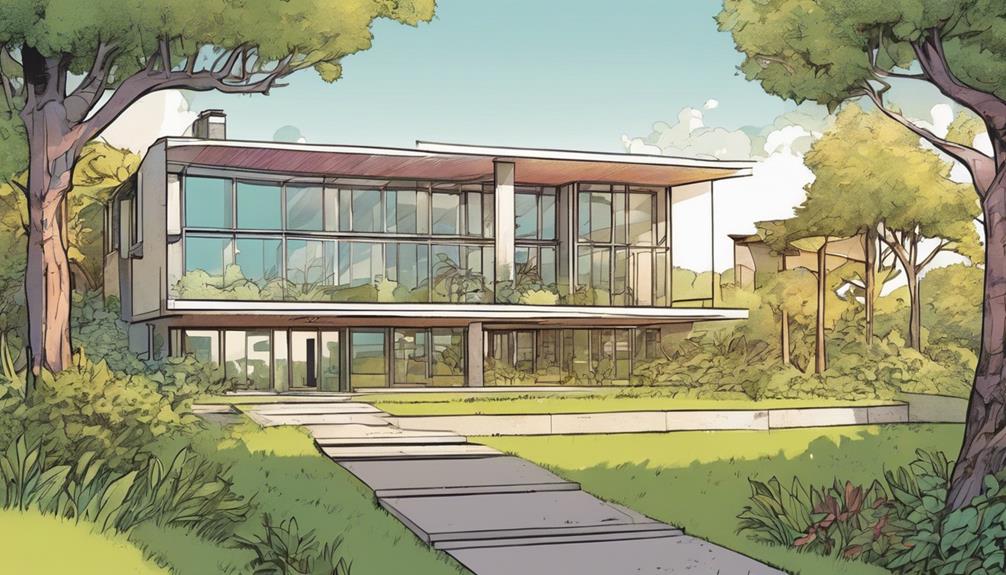

When constructing or purchasing a residence, we frequently disregard a vital element in attaining energy efficiency: house positioning. We've discovered that correct placement is fundamental to maximizing sunlight exposure and decreasing energy expenses. By aligning our home towards the south, we can utilize natural light and warmth, lessening our dependence on artificial sources. Taking into account local climate and prevailing winds is also crucial. By enhancing our house's positioning, we can decrease wind exposure, minimize heat loss, and foster a more sustainable future. As we delve deeper into this topic, we'll unveil more secrets to unleashing energy efficiency in our homes.

Get garden gear delivered free with Prime
- Fast, free delivery on millions of items
- Prime Video, Amazon Music and more included
- Member-only deals all year
Key Takeaways
- Proper house orientation towards the south maximizes sunlight exposure and energy efficiency, reducing reliance on artificial sources.
- Strategic placement of windows, insulation, and living areas minimizes heat loss and gain, optimizing energy efficiency.
- Considering local climate and prevailing winds is crucial for effective house orientation, reducing energy bills and carbon footprint.
- Unused parts of the house, like garages, should be placed on the north side to buffer against cold winds and minimize heat loss.
- Climate-specific design considerations, such as south-facing in cooler climates and east- or west-facing in warmer climates, lead to sustainable energy efficiency.
As an affiliate, we earn on qualifying purchases.
House Orientation Key Takeaways
When designing our dream home, proper house placement is essential to maximize sunlight exposure and energy efficiency. By contemplating a few key factors, we can discover insights to lowering our energy bills and reducing our carbon footprint.
We've learned that positioning our house towards the south maximizes sun exposure, while minimizing wind exposure by placing unused parts of the house in the north can improve energy efficiency. We need to take into account the local climate and prevailing winds when choosing the orientation.
Unlocking Energy Efficiency Secrets
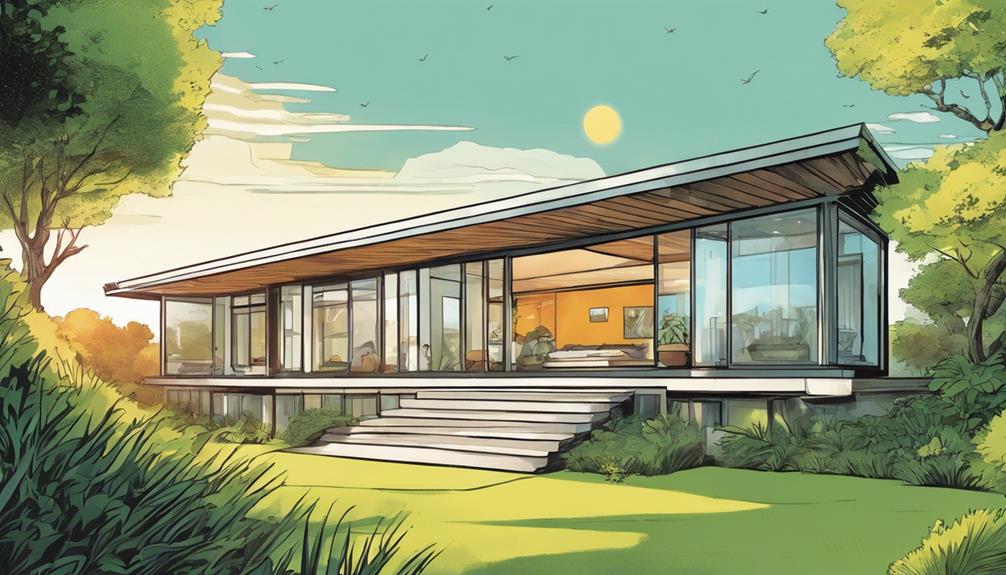
By understanding the nuances of house orientation, we can reveal the secrets to a more energy-efficient home, where natural light and heat are harnessed to reduce our reliance on artificial sources.
We've learned that proper orientation can maximize sunlight exposure, reduce wind exposure, and optimize energy efficiency. By considering local climate and prevailing winds, we can strategically place windows, insulation, and living areas to minimize heat loss and gain.
Factors in Energy Efficiency

We factor in several essential elements, including window placement, insulation quality, and room layout, to optimize our home's energy efficiency and reduce our reliance on artificial heating and cooling. Proper window placement can reduce heat loss and gain, while high-quality insulation with higher R-values provides better thermal resistance. The design and layout of our house can also maximize solar gains, reducing energy consumption.
| Factor | Impact on Energy Efficiency | Optimization Tips |
|---|---|---|
| Window Placement | Reduces heat loss and gain | Place windows strategically to minimize heat loss |
| Insulation Quality | Provides thermal resistance | Choose insulation with higher R-values |
| Room Layout | Maximizes solar gains | Design rooms to capture natural light and heat |
| House Design | Reduces energy consumption | Optimize room placement and orientation |
| Climate Consideration | Reduces energy bills | Consider local climate when designing the house
Minimizing Wind Exposure Matters
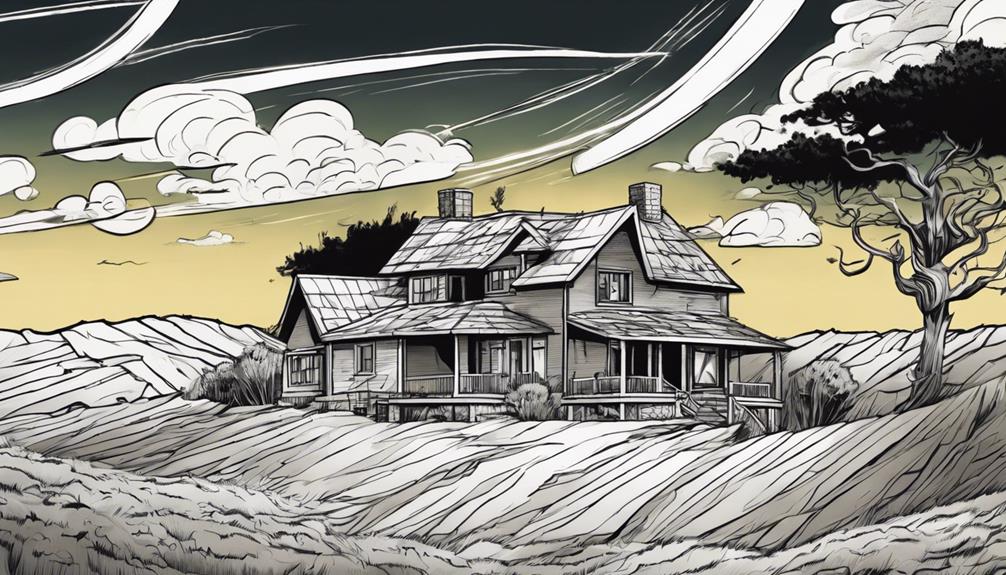
To achieve best energy efficiency, prioritizing wind exposure is important, as it can greatly impact our home's overall performance and comfort. By strategically orienting our house, we can minimize wind exposure and reduce heat loss.
Here are some key considerations:
- We should place unused parts of the house, such as garages or storage areas, on the north side to act as a buffer against cold winds.
- Main living areas should be located on the south-facing side to maximize sunlight exposure and solar gains.
- By orienting our house in this way, we can reduce our reliance on heating and cooling systems, leading to lower energy bills and a more sustainable future.
Climate-Specific Design Considerations
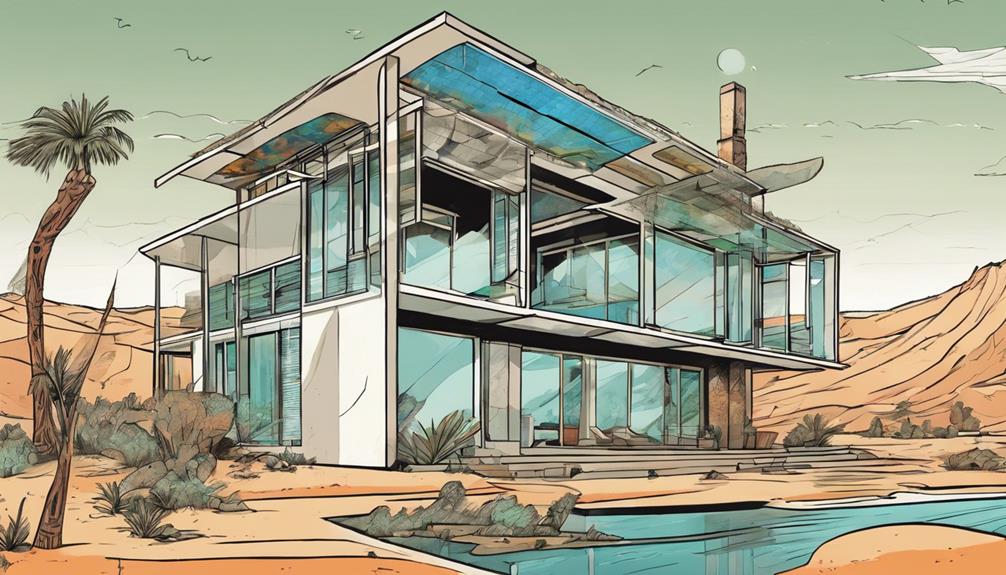
What climate-specific design considerations should we prioritize when orienting our house for best energy efficiency?
In cooler climates, we should orient our house towards the south to maximize sun exposure and heat gain. This helps reduce our reliance on artificial heating and lowers our energy bills.
In warmer climates, an east or west orientation can capture cooling breezes, reducing the need for air conditioning.
We should also consider the prevailing winds in our area, as wind exposure can notably impact our energy efficiency.
Frequently Asked Questions
How Does House Orientation Impact Natural Ventilation and Airflow?
"We're curious about how house orientation affects natural ventilation and airflow. Proper orientation can harness cross-ventilation, reducing the need for mechanical cooling, while poor orientation can lead to stagnant air and heat buildup."
Can House Orientation Affect the Lifespan of Building Materials?
"As the saying goes, 'an ounce of prevention is worth a pound of cure.' When it comes to house orientation, we find that proper alignment can indeed impact the lifespan of building materials by reducing weathering and exposure to harsh elements."
Are There Specific Orientation Considerations for Buildings in Coastal Areas?
We consider coastal areas' unique challenges, like salt air and high winds, when orienting buildings to minimize exposure and erosion, ensuring durability and reducing maintenance needs.
How Does House Orientation Influence the Effectiveness of Shading Devices?
When we design a house, we consider how orientation affects shading devices' effectiveness. Proper arrangement guarantees that devices like overhangs and awnings block direct sunlight during summer, reducing heat gain and energy consumption.
Can House Orientation Be Adapted for Existing Homes or Only New Constructions?
We can adapt house orientation for existing homes by rearranging interior layouts, adding insulation, and strategic window placement, although it's more challenging than designing orientation for new constructions from the start.
How Can House Orientation Affect Energy Efficiency Compared to Wind Turbines and Windmills?
When exploring wind turbine energy differences, it’s important to consider how house orientation can impact energy efficiency. By properly orienting a house to maximize natural light and airflow, homeowners can reduce the need for excessive heating and cooling, ultimately improving energy efficiency. Wind turbines and windmills offer alternative energy sources, but the orientation of a house can significantly impact overall energy usage.
Conclusion
As we wrap up our journey to maximize energy efficiency through house orientation, we've learned that it's all about working with Mother Nature, not against her.
By considering the local climate, wind patterns, and solar radiation, we can create homes that aren't only energy-efficient but also sustainable.
Remember, 'an ounce of prevention is worth a pound of cure' – with careful planning, we can avoid costly energy bills and reduce our carbon footprint.
Columbus Day / Indigenous Peoples' Day Picks
long weekend sales
As an affiliate, we earn on qualifying purchases.