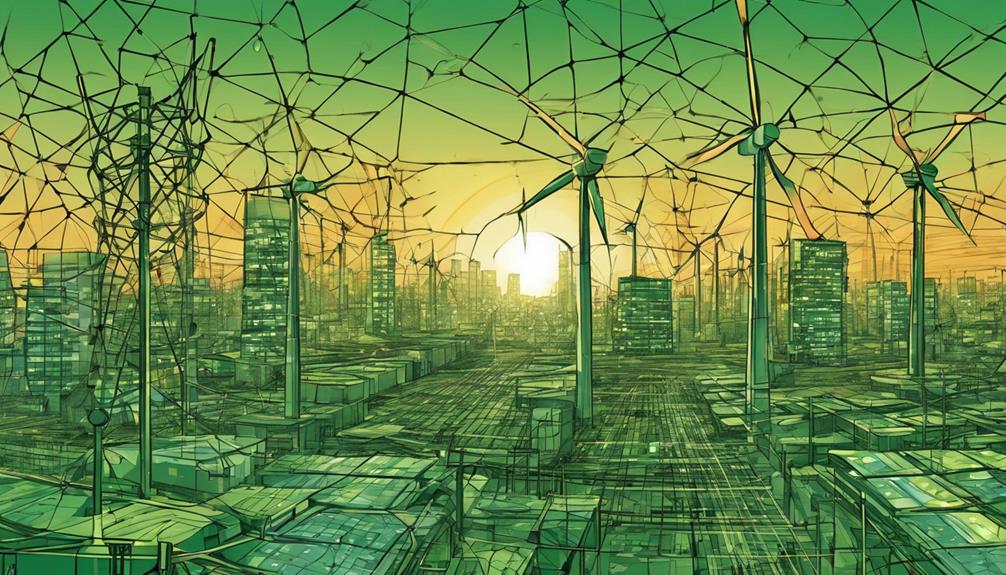

As we shift towards a renewable energy-based grid, we must upgrade our transmission infrastructure to handle the influx of solar and wind power. Our current infrastructure lacks the capacity to support increased electricity flow, and aging systems require significant upgrades. We're facing challenges like unpredictable renewable energy output, grid stability issues, and inefficient energy storage. To overcome these hurdles, we need to modernize our grid with HVDC systems, invest in energy storage, and leverage smart grid technologies. By doing so, we'll enhance transmission capacity, improve grid reliability, and secure a stable energy supply. Let's explore the innovative solutions and financing strategies that will drive this transformation forward.
Key Takeaways
- Transitioning to a renewable energy-based grid requires significant upgrades to transmission infrastructure to accommodate increased electricity flow.
- Modernizing grid infrastructure with HVDC systems and energy storage solutions is crucial for integrating unpredictable renewable energy sources.
- Enhancing transmission capacity and grid reliability through smart grid technologies and advanced control systems is essential for stable energy supply.
- Financing strategies such as public-private collaborations, green bonds, and crowdfunding are necessary to secure funding for large-scale grid overhaul projects.
- Managing renewable energy fluctuations through advanced forecasting tools, energy storage solutions, and smart grid technologies is critical for balancing supply-demand.

MRCOOL 24000 BTU 230V Ductless Inverter Mini Split Air Conditioner & Heat Pump System, Easy Pro Series - Wall-Mounted AC Unit w/ Heating and Cooling for Home, Office & Commercial Space
Powerful Heating & Cooling Performance: Equipped with 24,000 BTU capacity for reliable temperature control and efficiently heats or...
As an affiliate, we earn on qualifying purchases.
Upgrading Transmission Infrastructure Needs
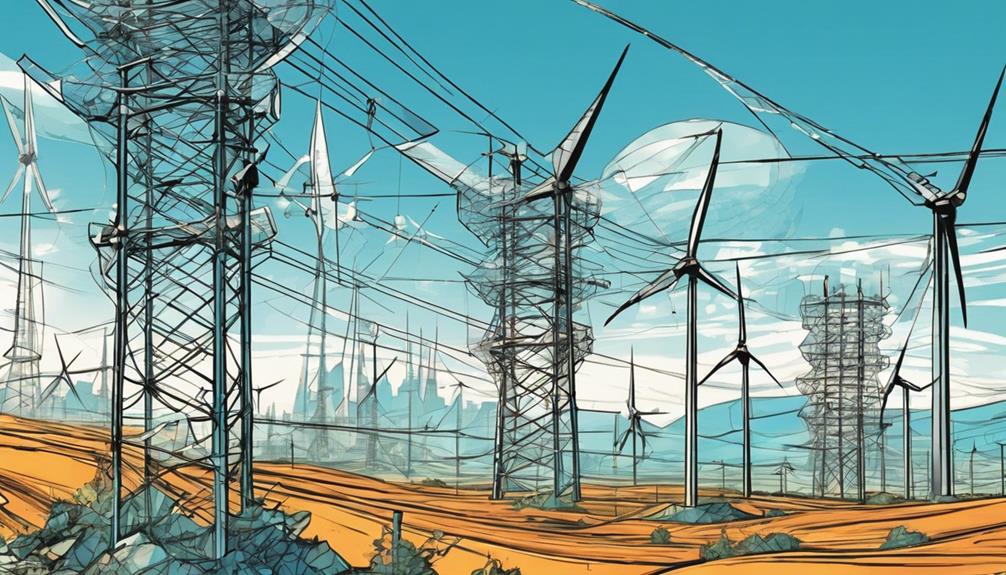
As we transition to a renewable energy-based grid, we must address the urgent need to upgrade our transmission infrastructure. Currently, it lacks the capacity to support the increased flow of electricity from solar and wind farms. Our aging infrastructure requires significant upgrades to handle the higher transmission capacity needs.
We're not just talking about replacing old lines; we need to modernize our grid infrastructure to guarantee efficient and reliable electricity delivery. This includes upgrading transmission lines with HVDC systems, which can boost grid capacity and improve transmission efficiency.

WOLFBOX Level 2 EV Charger 48 Amp - Smart Display, RFID Card, 25ft Cable, Outdoor/Indoor, Hardwired EV Charger Level 2, WiFi Enabled Electric Car Chargeing, 240V Electric Vehicle Charging Stations
Faster Charging & Saving More: The electric vehicle charger offers 9X higher speed than level 1 EV chargers,...
As an affiliate, we earn on qualifying purchases.
Challenges of Renewable Energy Integration
We face a significant obstacle in integrating renewable energy sources into the grid: their intermittency, which poses a major challenge to ensuring a stable and reliable energy supply.
As we shift to a more sustainable energy mix, we need to address the inconsistencies of solar and wind power. This variability affects the grid's ability to balance supply and demand in real-time.
Here are three key challenges we need to overcome:
- Unpredictable output: Renewable energy sources like solar and wind are weather-dependent, making it difficult to forecast their output.
- Grid stability: The fluctuating nature of renewable energy can unsettle the grid, leading to power outages and frequency fluctuations.
- Energy storage: The lack of cost-effective and efficient energy storage solutions hampers our ability to store excess energy generated by renewables for later use.

ChargePoint HomeFlex Level 2 EV Charger J1772 - Fast Smart Battery Power Charging at Home for Electric Automobile Vehicles - Hardwired for Electric Car
Charge with Confidence: ChargePoint builds reliable, flexible EV charging stations for home, business, and fleets. Get 24/7 support...
As an affiliate, we earn on qualifying purchases.
Modernizing Grid Infrastructure Essentials
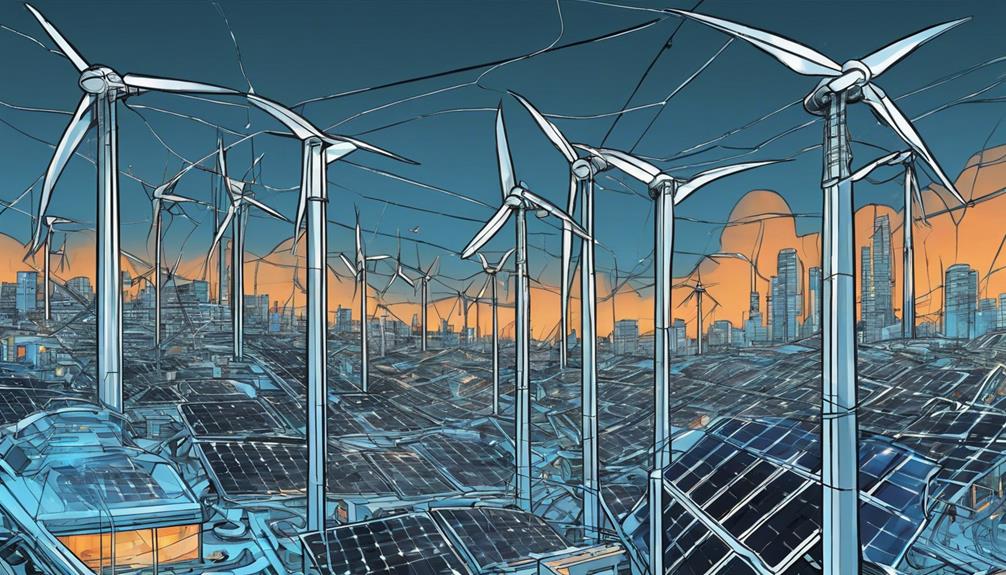
Upgrading transmission infrastructure is essential to accommodate the influx of renewable energy sources, requiring significant investments in modernizing the grid's backbone to guarantee reliable and efficient energy distribution.
We can't ignore the challenges posed by aging infrastructure, which demands substantial upgrades to keep pace with the growing demand for electricity.
Enhancing transmission capacity is critical to address the increasing electricity demand, and we're achieving this by upgrading transmission lines with high-voltage direct current (HVDC) systems.
This modernization effort enables better forecasting and management of renewable energy resources, ensuring efficient electricity delivery and improving grid reliability.

EMPORIA Level 2 EV Charger w/ J1772 Connector — 48 Amp, 240V WiFi Enabled Electric Vehicle Charging Station, 25ft Cable, NEMA 14-50, Black
Up to 9x Faster Charging Speed: The Emporia electric vehicle charger provides up to 46 miles/hour charging speed...
As an affiliate, we earn on qualifying purchases.
Innovations for Renewable Integration Success

We're leveraging cutting-edge innovations to overcome the complexities of integrating renewable energy sources into the grid, and it's these advancements that will ultimately guarantee the success of our renewable integration efforts.
To guarantee a smooth shift, we're implementing advanced control systems and smart grid technologies that can optimize energy distribution and consumption.
Here are three key innovations driving our progress:
- Energy Storage Solutions: We're utilizing batteries and pumped hydro storage to manage renewable energy fluctuations, ensuring a stable and reliable energy supply.
- Smart Grid Solutions: Our advanced grid management systems can balance supply and demand in real-time, optimizing energy efficiency and reducing waste.
- Communication Networks: Enhanced communication networks enable smooth data exchange between energy generators, distributors, and consumers, facilitating efficient energy flow and grid reliability.
Financing Strategies for Grid Overhauls
Securing funding for grid upgrades is crucial, and exploring innovative financial tactics, such as public-private collaborations and green bonds, is vital to support the infrastructure transformation necessary for widespread renewable energy integration.
We must consider bond financing alternatives to raise funds for large-scale infrastructure projects, including renewables. Innovative funding models like crowdfunding and green bonds can also aid renewable energy projects.
Public-private partnerships drive investments and create a conducive environment for renewable energy projects, enabling us to overcome financial obstacles. By leveraging these financing strategies, we can expedite grid modernization and guarantee a smooth shift to a renewable energy-powered future.
Enhancing Transmission Capacity Solutions
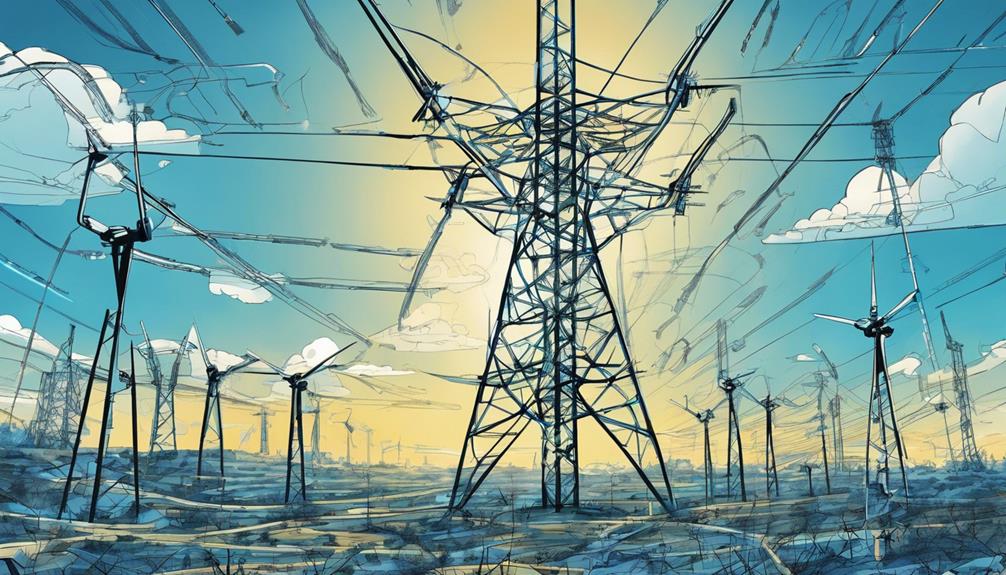
To accommodate the growing demand for renewable energy, our transmission infrastructure must be expanded and modernized to guarantee efficient electricity delivery. This requires significant upgrades to our aging infrastructure, which is no longer equipped to handle the increased capacity needs of renewable energy sources.
Here are three key solutions to enhance transmission capacity:
- Upgrading transmission lines with HVDC systems to increase grid capacity and reduce energy losses.
- Expanding existing transmission lines to support the increased energy output from renewable sources.
- Building new transmission lines to connect remote renewable energy sources to the main grid, ensuring a reliable and efficient energy supply.
Managing Renewable Energy Fluctuations
One of the most significant challenges in integrating renewable energy sources into the grid is managing their fluctuations, which can destabilize the entire energy system. We need to address this issue to secure a stable and reliable supply of energy.
Advanced forecasting tools can help predict renewable energy output, allowing us to better plan and manage energy distribution. Energy storage solutions, such as batteries or pumped hydro storage, can also help stabilize the grid by absorbing excess energy during periods of high production and releasing it during periods of low production.
Additionally, smart grid technologies can balance supply and demand in real-time, ensuring a seamless integration of renewable energy into the grid. By implementing these solutions, we can effectively manage renewable energy fluctuations and create a more resilient energy system.
Frequently Asked Questions
How Can Grid Resilience Be Improved During Extreme Weather Events?
"We can improve grid resilience during extreme weather events by upgrading our infrastructure with advanced technologies, like smart grids and energy storage, to enhance our ability to withstand and recover from outages."
What Role Do Microgrids Play in Enhancing Renewable Energy Integration?
'We're finding that microgrids play an essential role in enhancing renewable energy integration by providing localized, resilient power, improving energy independence, and reducing grid reliance, ultimately strengthening the overall energy infrastructure.'
Can Existing Infrastructure Be Repurposed for Renewable Energy Transmission?
"We can repurpose existing infrastructure for renewable energy transmission by upgrading transmission lines with HVDC systems, retrofitting buildings, and enhancing communication networks, making it a cost-effective and efficient solution."
How Do Smart Grid Technologies Address Cybersecurity Concerns?
We're addressing cybersecurity concerns head-on with smart grid technologies, implementing robust security protocols, and conducting regular vulnerability assessments to guarantee a secure and reliable energy supply.
What Are the Benefits of Integrating Renewable Energy Into Rural Areas?
Like a cool breeze on a scorching summer day, integrating renewable energy into rural areas brings a gust of fresh air, creating jobs, promoting energy independence, and enhancing energy security, while reducing our carbon footprint.
How Does Grid Transformation Impact the Integration of Wind Turbines and Solar Panels for Renewable Energy?
Grid transformation plays a crucial role in the integration of cost efficiency wind turbines solar panels for renewable energy. By modernizing the grid infrastructure, it becomes easier to accommodate the variability of wind and solar energy, making the integration of these technologies more seamless and effective.
What Role Does Grid Transformation Play in Incorporating Geothermal Energy into the Electricity System?
Grid transformation is essential for using geothermal energy for electricity. By upgrading the existing grid infrastructure to accommodate geothermal power, we can efficiently integrate this renewable energy source into the electricity system. This will help reduce reliance on fossil fuels and decrease carbon emissions, leading to a more sustainable energy future.
Conclusion
As we navigate the complex landscape of grid transformation, we're reminded of the conductor of an orchestra, expertly harmonizing disparate instruments to create a symphony of sustainability.
Just as a single missed beat can disrupt the entire performance, a single failure in our grid infrastructure can have devastating consequences.
That's why we must invest in the rhythm of renewable energy integration, synchronizing our efforts to create a resilient and efficient energy grid that harmonizes with the needs of our planet.