

To make laundry greener in shared spaces, run full loads using cold water and choose energy-efficient machines and cycles. Opt for eco-friendly, biodegradable detergents and air dry your clothes whenever possible to save energy. Being mindful of water temperature and detergent use can greatly reduce environmental impact. Small changes like these, combined with community efforts, help conserve resources and promote sustainability. Keep exploring ways to make your laundry routine even more eco-conscious.
Key Takeaways
- Run full loads and choose energy-efficient cycles to maximize washing efficiency and reduce energy consumption.
- Use cold water with eco-friendly, biodegradable detergents to save energy and minimize chemical impact.
- Air dry clothes whenever possible to decrease reliance on energy-intensive dryers.
- Select shared laundry machines with high energy efficiency and optimize cycle settings for sustainability.
- Promote community awareness and collective efforts toward eco-friendly laundry habits in shared spaces.

Doing laundry in shared spaces can be convenient, but it also raises environmental concerns. When you share laundry facilities, your choices impact energy consumption and waste generation. To make your laundry routine more eco-friendly, focus on energy saving strategies and the types of detergents you use. Small adjustments can add up to a considerable difference in reducing your carbon footprint.
One of the easiest ways to save energy is to run full loads whenever possible. This ensures you’re making the most of each wash cycle, reducing the number of loads you need to do. Using cold water instead of hot or warm water also conserves energy, as heating water accounts for a large portion of laundry energy use. Many modern detergents are formulated to work effectively in cold water, so you don’t have to sacrifice cleaning power for energy savings. By switching to cold water washes and maximizing each load, you help cut down on electricity consumption at shared laundry facilities.
Run full loads and use cold water to save energy in shared laundry spaces.
Eco friendly detergents play an essential role in greener laundry practices. These products are free from harsh chemicals, phosphates, and optical brighteners that can harm the environment. When you choose eco-friendly detergents, you’re not only protecting water sources but also supporting sustainable manufacturing practices. Since shared laundry spaces often see high turnover, using biodegradable and plant-based detergents reduces the risk of chemical buildup in water systems. Additionally, many eco-friendly options come in concentrated forms, meaning you use less product per wash while still achieving clean results. This reduces packaging waste and minimizes the environmental impact of your laundry routine.
To further enhance your eco-conscious approach, consider using laundry balls or natural fiber washcloths that require less detergent and energy. Air drying your clothes instead of using the dryer saves a substantial amount of energy and extends the lifespan of your garments. If your shared laundry facility offers energy-efficient machines, take advantage of those options, and make sure to select the appropriate cycle settings to avoid unnecessary energy waste. Also, encourage others in your community to adopt similar practices, creating a collective effort toward greener laundry habits. Additionally, being aware of dog names and selecting the right ones can reflect your personality and style, similar to how choosing eco-friendly detergents reflects your values.
Ultimately, mindful use of shared laundry facilities means combining energy saving techniques with eco friendly detergent choices. Small actions like adjusting water temperature, maximizing load sizes, and selecting sustainable detergents can considerably reduce your environmental impact. By making these thoughtful decisions, you contribute to a healthier environment while still enjoying the convenience of shared laundry spaces.
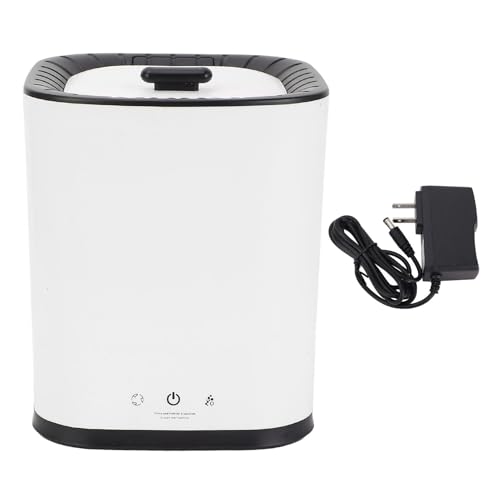
Quiet Mini Washing Machine,Portable Powerful Cleaning, Energy Saving Compact Size Home Washing Machine,Simple to Use for Bathroom, Balcony, Kitchen (US Plug)
[Compact Size] Mini washing machine is very suitable for small homes or limited spaces, allowing for easy placement…
As an affiliate, we earn on qualifying purchases.
As an affiliate, we earn on qualifying purchases.
Frequently Asked Questions
How Do I Reduce Water Usage in Shared Laundry Facilities?
To reduce water usage in shared laundry facilities, you should implement water-saving tips like using high-efficiency washers and running full loads. Optimize each laundry cycle by selecting the appropriate water level and temperature for your load, avoiding over-washing. Encourage users to share these practices to conserve water collectively. By focusing on laundry cycle optimization and adopting water-saving tips, you’ll considerably cut water consumption and promote eco-friendly habits in shared spaces.
What Eco-Friendly Detergents Are Best for Shared Laundry Rooms?
You should choose biodegradable detergents and plant-based cleaners for shared laundry rooms. These eco-friendly options break down naturally, reducing environmental impact and avoiding harsh chemicals. Look for products labeled as biodegradable and plant-based to guarantee you’re making a sustainable choice. Using these detergents helps protect water quality and promotes greener laundry practices, making shared spaces safer for everyone and better for the planet.
How Can Laundry Machines Be Maintained to Save Energy?
To save energy, you should regularly perform machine maintenance tips like cleaning filters, checking hoses, and ensuring door seals are intact. Use energy-efficient cycles on your laundry machines, which consume less power and water. Avoid overloading the machines, as this can reduce their efficiency. By maintaining your machines well and selecting energy-efficient cycles, you help lower energy consumption and extend the lifespan of your laundry equipment.
Are There Any Incentives for Using Greener Laundry Options?
Imagine your laundry room glowing with eco-friendly machines. You might qualify for government rebates and tax incentives that make switching to greener laundry options more affordable. These incentives encourage you to reduce energy and water use, benefiting both the environment and your wallet. Take advantage of these programs to upgrade your appliances, save money, and contribute to a cleaner, healthier planet.
How Do I Prevent Cross-Contamination With Eco-Friendly Products?
To prevent cross-contamination with eco-friendly products, always check detergent compatibility for your specific laundry machines and fabrics. Use separate containers or designated areas for different detergents to avoid scent transfer. Wash shared linens at the correct temperatures to eliminate bacteria. Additionally, verify proper rinsing cycles and clean machines regularly. These steps help maintain hygiene and prevent scent transfer, keeping shared spaces fresh and safe while using eco-friendly laundry options.

ECOS Laundry Detergent Liquid, 200 Loads – Dermatologist Tested Laundry Soap – Hypoallergenic, EPA Safer Choice Certified, Plant-Powered – Lavender, 100 Fl Oz (Pack of 2)
CLIMATE POSITIVE AND SUSTAINABLE – Not only is this laundry detergent formula effective and kind to sensitive skin,…
As an affiliate, we earn on qualifying purchases.
As an affiliate, we earn on qualifying purchases.
Conclusion
By making small, mindful changes, you can turn laundry day into a greener, more sustainable routine. Think of it as planting seeds for a healthier planet—each eco-friendly choice you make is a drop in the ocean, but together, they create a wave of positive change. So, embrace these habits in your shared spaces, and watch how your efforts ripple outward, transforming laundry into a act of environmental kindness.

Amazon Basics Foldable Portable Clothes Drying Rack for Indoor Air Drying, Collapsible Design, 14.5" D x 29.5" W x 41.8" H, White
Clothes drying laundry rack for energy savings and gentle air drying so clothes last longer; for indoor use
As an affiliate, we earn on qualifying purchases.
As an affiliate, we earn on qualifying purchases.

Biokleen Natural Cold Water Laundry Detergent – 128 Loads – Liquid, Concentrated, Eco-Friendly, Non-Toxic, Plant-Based, No Artificial Fragrance or Preservatives
Citrus Essence
As an affiliate, we earn on qualifying purchases.
As an affiliate, we earn on qualifying purchases.