Geothermal energy development is a multifaceted process that hinges on the careful assessment of a location's potential, which in turn influences the timeline of project development. High-potential areas require less time for exploration and development, while thorough evaluation of environmental impacts is essential. Site selection involves geological, geochemical, and geophysical surveys to determine suitability. Drilling and reservoir management are critical for accessing geothermal resources, followed by power plant construction and integration into the grid. Understanding the intricacies of this process is key to opening up the full potential of geothermal energy, and discovering the nuances of this complex timeline can reveal a wealth of opportunities.

Get garden gear delivered free — and shop member deals
- Fast, free delivery on millions of items
- Access to Prime Big Deal Days deals on October 6–7
- Prime Video, Amazon Music and more included
Key Takeaways
- Geothermal energy development timeline is influenced by location potential, with high-activity areas requiring less exploration time.
- Thorough environmental impact assessment is crucial for sustainable development, affecting the development speed.
- Site selection and exploration involve geological, geochemical, and geophysical surveys to determine suitability.
- Drilling and reservoir management are vital for accessing geothermal resources, with careful management maximizing energy extraction.
- Power plant construction involves installing turbines, generators, and cooling systems, followed by thorough testing and commissioning.
As an affiliate, we earn on qualifying purchases.
Location Potential and Timeline
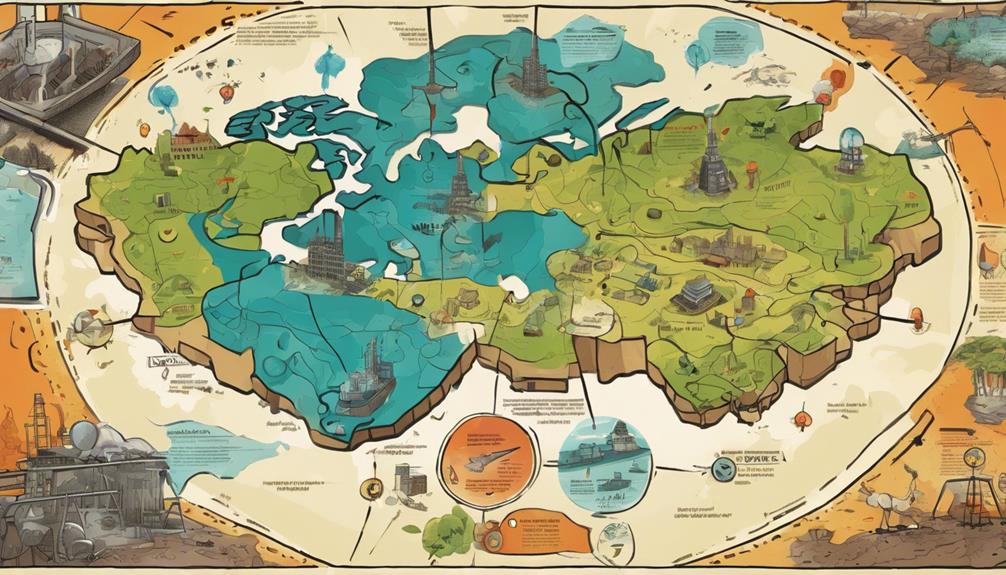
The geothermal energy development timeline is significantly influenced by the location's potential. Areas of high geothermal activity typically require less time for exploration and development compared to those with lower potential. The thorough evaluation of environmental impacts is essential to guarantee responsible development. Site selection involves geological, geochemical, and geophysical surveys to identify suitable locations.
The construction process spans several years and includes drilling, well installation, plant construction, testing, and integration. The entire geothermal energy development process is a complex and time-consuming endeavor that necessitates careful planning and execution. Understanding the location's potential is key to determining the development timeline. A comprehensive analysis of factors secures responsible geothermal energy development.
Factors Influencing Development Speed

Geothermal energy development speed is greatly influenced by a combination of factors. These factors include the geothermal potential of the location, environmental impact assessment, and resource availability, which collectively determine the duration of the development process. These factors can have a significant impact on the timeline, with high-potential areas typically requiring less time for exploration and development.
- Geothermal potential: The location's natural heat and fluid flow rates greatly affect development speed. Areas of high potential allow for faster development.
- Environmental impact assessment: A thorough evaluation of environmental impacts is essential for sustainable development. The complexity of this assessment can influence the development timeline.
- Resource availability and quality: The availability and quality of geothermal resources can affect development speed. High-quality resources enable faster and more efficient energy extraction.
Selecting and Exploring Sites
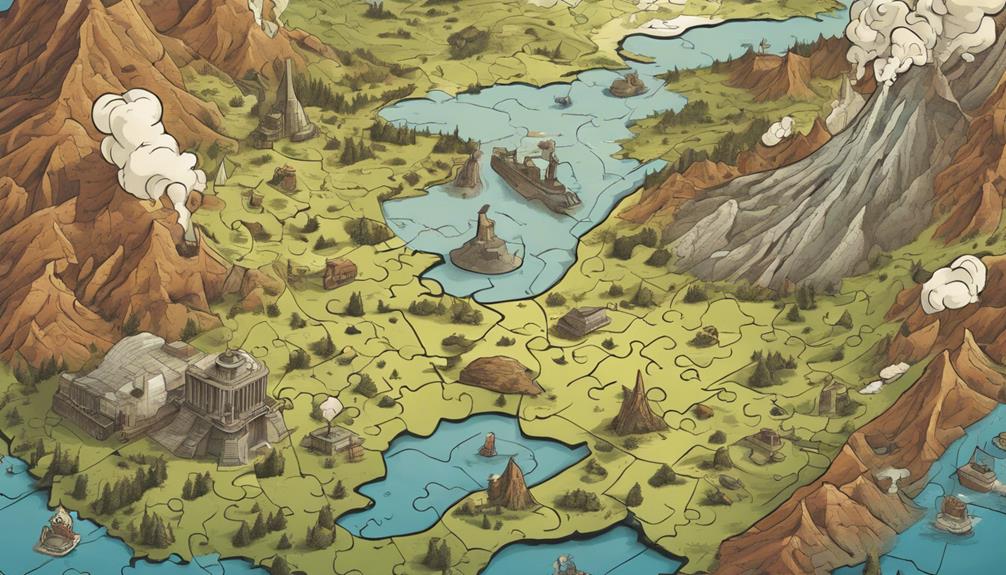
Site selection and exploration are essential precursor phases to geothermal energy development. This process involves a meticulous evaluation of the area's geological, geochemical, and geophysical characteristics to determine its suitability for harnessing geothermal resources.
Geological surveys assess the area's structural and thermal properties, while geochemical analysis determines the composition of fluids and gases to estimate energy potential. Geophysical surveys, including seismic and resistivity tests, map the subsurface to identify potential geothermal reservoirs.
The integration and analysis of these data guide decisions on site suitability, ensuring that only viable locations are selected for further development. A thorough site selection and exploration process is pivotal for determining the viability of geothermal energy production and minimizing risks associated with drilling and reservoir development.
Drilling and Reservoir Management
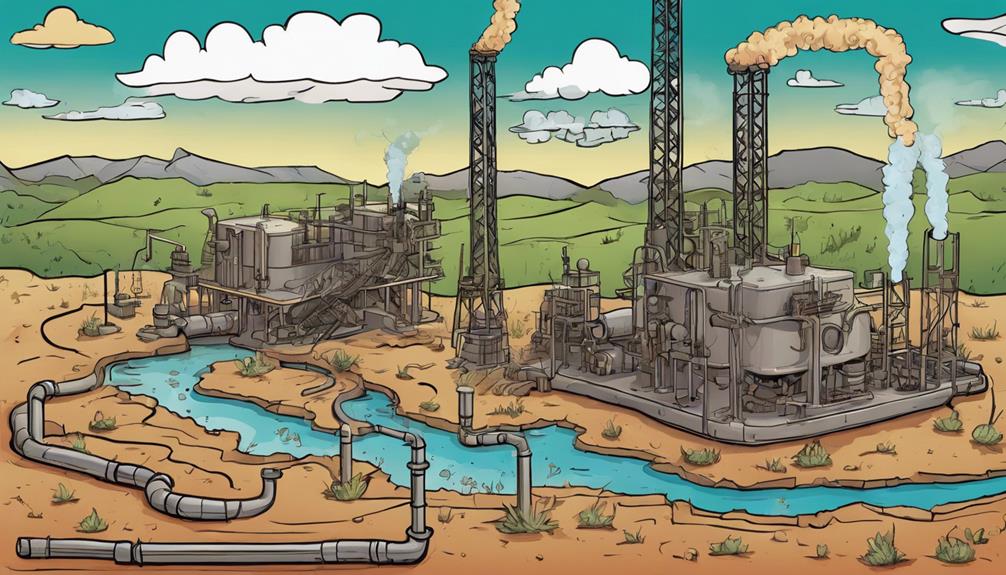
In the quest to tap into the Earth's thermal energy, drilling and reservoir management emerge as essential components of the geothermal energy development process. These stages are vital for accessing and maximizing geothermal resources.
Drilling techniques, such as rotary drilling, are employed to reach the subsurface geothermal reservoirs.
Effective reservoir management involves monitoring pressure, temperature, and fluid flow to maximize energy extraction.
Careful management maximizes geothermal energy extraction while minimizing environmental impacts.
Real-time data analysis and monitoring enable adjustments to drilling and extraction operations, ensuring efficient resource utilization.
Building Geothermal Power Plants
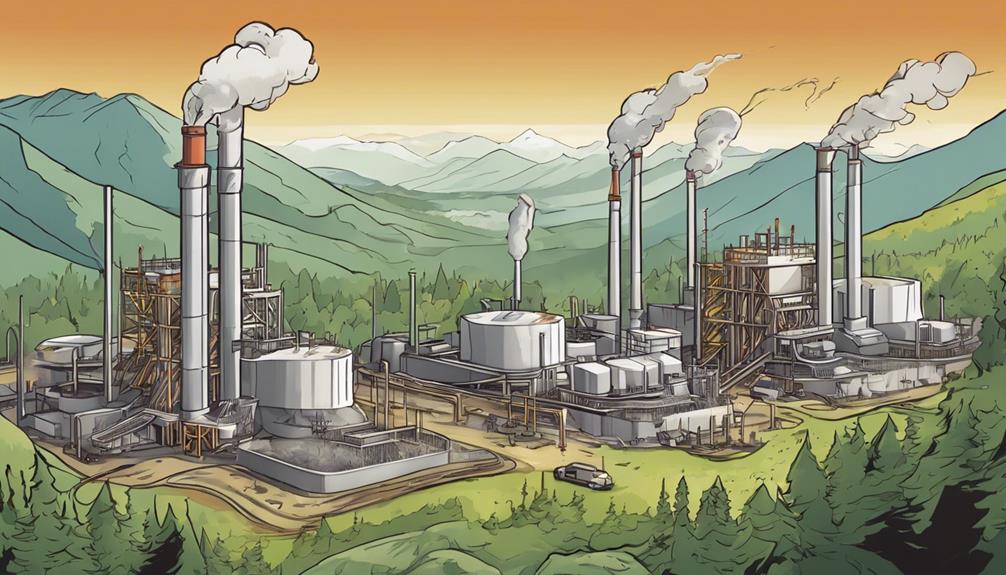
As the drilling and reservoir development phase is completed, attention turns to constructing the power plant that will harness the extracted thermal energy to generate electricity.
Site selection and surveying identify suitable locations for power plant construction, minimizing environmental impact.
Drilling and well installation access the geothermal reservoir, allowing for energy extraction.
The power plant's construction involves installing turbines, generators, and cooling systems.
Thorough testing and commissioning guarantee efficient operation and energy optimization.
Finally, the geothermal energy is integrated into the grid, marking the completion of the construction phase.
This critical step bridges the gap between resource extraction and electricity generation, making geothermal energy a viable and sustainable option.
Frequently Asked Questions
What Are the Potential Risks Associated With Geothermal Energy Production?
Potential risks associated with geothermal energy production include induced seismicity, land subsidence, and contamination of groundwater sources, emphasizing the need for thorough environmental impact assessments and responsible development practices.
Can Geothermal Energy Be Used for Heating and Cooling Buildings?
Did you know that 80% of Iceland's buildings are heated using geothermal energy? Yes, geothermal energy can be used for heating and cooling buildings through district heating systems, providing a sustainable and efficient alternative to traditional HVAC systems.
How Does Geothermal Energy Compare to Other Renewable Energy Sources?
Geothermal energy compares favorably to other renewable energy sources, offering a reliable, consistent, and scalable power supply with lower visual impact and land use compared to solar and wind energy.
Are Geothermal Power Plants Suitable for Small-Scale Energy Production?
Yes, geothermal power plants can be suitable for small-scale energy production, particularly in areas with high geothermal potential, where smaller capacity plants can be economically viable and environmentally friendly.
Can Geothermal Energy Be Stored for Later Use During Peak Demand?
Geothermal energy can be stored for later use during peak demand through thermal energy storage systems, which involve storing heated fluids or steam in insulated tanks or underground reservoirs for later electricity generation.
How Does 3D Modeling Contribute to the Development of Geothermal Energy?
3D geothermal energy modeling techniques play a crucial role in the development of geothermal energy. These models help assess potential areas for geothermal energy production, optimize drilling operations, and minimize exploration risks. By accurately visualizing subsurface geology, these modeling techniques contribute to the advancement of geothermal energy technology.
What are the potential challenges and timelines for geothermal energy development?
The potential challenges and timelines for geothermal energy development are influenced by geological hurdles for geothermal. These hurdles include finding suitable sites with high-temperature reservoirs and permeable rocks. The exploration phase can be time-consuming and costly, often requiring thorough surveys and drilling before a viable project can be developed.
How Can the Timeline for Geothermal Energy Development Be Accelerated to Overcome Potential Barriers?
The timeline for geothermal energy development can be accelerated by addressing geothermal energy potential barriers such as high upfront costs, uncertain resource availability, and regulatory challenges. To overcome these obstacles, collaborations between industry and policymakers are crucial in enacting supportive policies and financial mechanisms to stimulate investment in geothermal projects.
Conclusion
Geothermal energy development is a complex, multi-stage process that requires a thorough approach to reveal its full potential.
The development timeline is influenced by various factors, including geothermal potential, environmental impact assessments, and resource availability.
A deep understanding of these factors is essential for responsible and sustainable development.
By examining each stage, it becomes evident that a detailed approach is necessary to harness this clean and dependable energy source efficiently.
Fall yard work Picks
leaf blowers
As an affiliate, we earn on qualifying purchases.