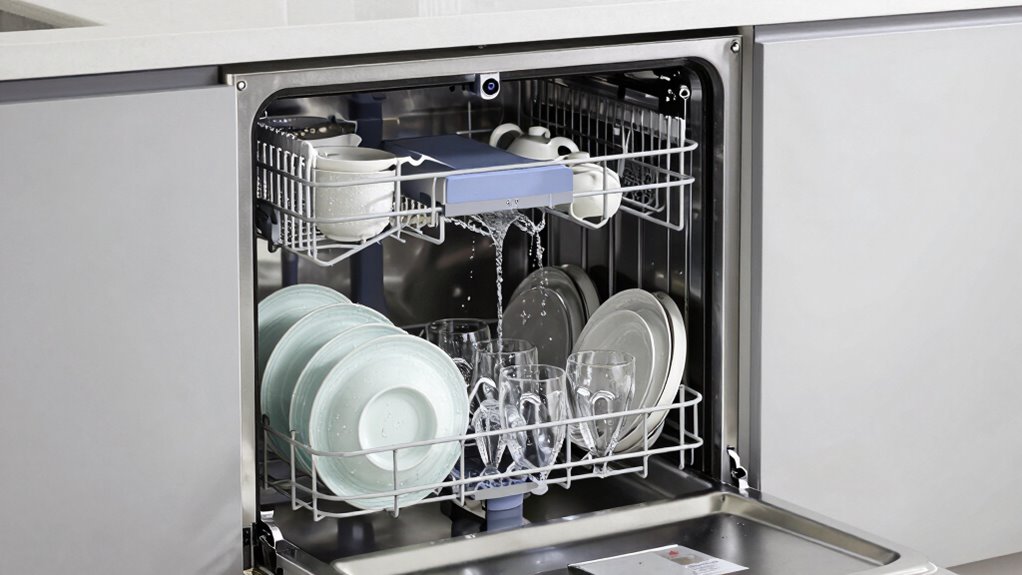

Many think hand-washing dishes uses less water, but modern dishwashers are surprisingly efficient. They typically use just 3 to 4 gallons per cycle, while hand-washing can use 20 gallons or more. Features like soil sensors and eco cycles help save water and energy, especially with newer ENERGY STAR models. Proper use and maintenance guarantee you get the most conservation benefits. Keep going to uncover more tips on making your dishwasher even more eco-friendly.
Key Takeaways
- Modern dishwashers use significantly less water per load than hand-washing, often around 3-4 gallons versus 20+ gallons.
- Energy-efficient models optimize water use with smart sensors and eco cycles, reducing overall water consumption.
- Proper loading and pre-scraping dishes can maximize efficiency and decrease unnecessary water waste.
- Upgrading to newer, ENERGY STAR-rated dishwashers further reduces water use compared to older models.
- Regular maintenance prevents leaks and ensures peak efficiency, supporting water conservation efforts.
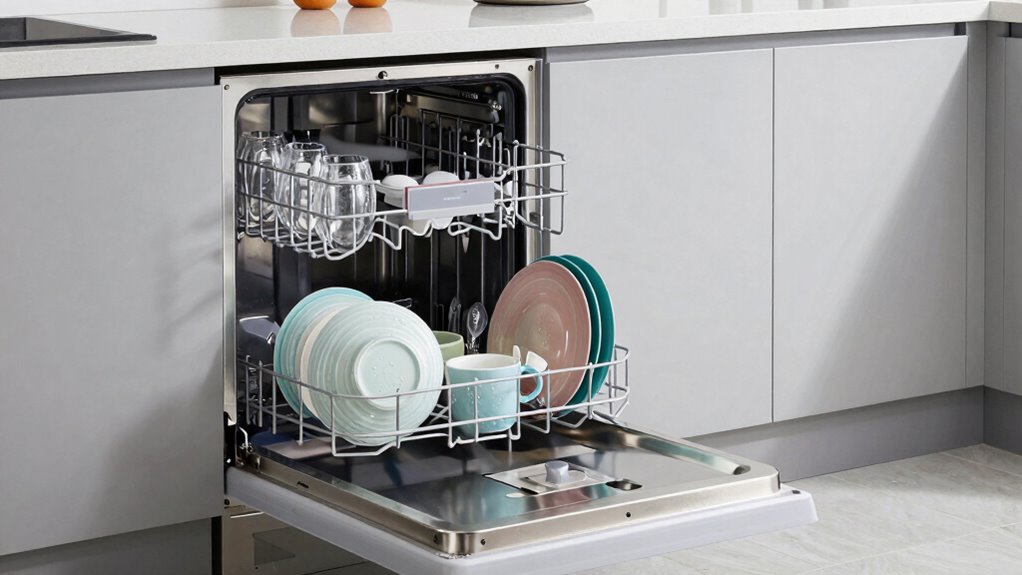
Have you ever wondered how much water your dishwasher uses with each load? You might assume that running it frequently wastes a lot of water, but surprisingly, modern dishwashers are designed to be highly efficient, both in water use and energy consumption. Today’s models often use considerably less water than hand-washing dishes, making them a smart choice for water conservation. In fact, many new dishwashers are built with energy efficiency in mind, minimizing water and electricity use while still delivering thorough cleaning. By understanding how these appliances work, you can better appreciate their role in reducing overall water consumption in your home.
When it comes to water conservation, selecting an energy-efficient dishwasher is a smart move. These appliances are engineered to use less water per cycle—often around 3 to 4 gallons—compared to hand-washing, which can require up to 20 gallons or more for the same number of dishes. This reduced water usage isn’t just good for the environment; it also helps lower your utility bills. Furthermore, energy-efficient dishwashers often have smart features like soil sensors and multiple wash cycle options, allowing you to customize each load. These features ensure that the dishwasher uses only the necessary amount of water and energy, avoiding waste on overly long or unnecessary cycles.
Running your dishwasher efficiently also means choosing the right cycle. Using a quick or eco-friendly setting typically consumes less water and energy than a heavy or intensive cycle. Loading it properly is equally important—scraping food off dishes before loading reduces the need for pre-rinsing, which can save both water and energy. Additionally, waiting until you have a full load before running the dishwasher maximizes its efficiency, ensuring you’re not wasting water on partial loads. This practice aligns perfectly with water conservation efforts, helping you do your part in reducing overall water usage.
Another aspect to consider is the age of your dishwasher. Older models tend to use more water and energy, so upgrading to a newer, ENERGY STAR-rated appliance can make a substantial difference. These newer models are built to meet strict efficiency standards and are often equipped with innovative features that further reduce water and electricity consumption. Maintaining your dishwasher by cleaning filters and checking for leaks also guarantees it operates at peak efficiency, preventing unnecessary water waste.
In essence, adopting an energy-efficient dishwasher isn’t just about convenience; it’s a smart step toward sustainable living. You can enjoy clean dishes while actively participating in water conservation efforts. The key lies in choosing the right model, using cycles wisely, and maintaining your appliance properly. Proper appliance maintenance can improve efficiency and prolong the lifespan of your dishwasher. By doing so, you’ll not only save water but also cut down on energy costs—proving that modern dishwashers are a counterintuitive yet effective tool in managing household resource use.

COMFEE’ Countertop Dishwasher, Energy Star Portable Dishwasher, 6 Place Settings & 8 Washing Programs, Speed, Baby-Care, ECO& Glass, Dish Washer for Dorm, RV& Apartment, Black
6 Place Setting- A perfect size (H17.2″×W21.6″×D19.7″) for 2-3 people, COMFEE’ compact dishwasher is suitable for dorms, RVs,…
As an affiliate, we earn on qualifying purchases.
As an affiliate, we earn on qualifying purchases.
Frequently Asked Questions
Do Newer Dishwasher Models Use Less Water Than Older Ones?
Yes, newer dishwasher models typically use less water than older ones. They’re designed with advanced technology to improve energy efficiency and water conservation. You’ll notice that modern dishwashers have efficient wash cycles that clean effectively while reducing water consumption. Upgrading to a newer model helps you save money on utility bills and supports environmental efforts by using less water and energy.
Can Running Full Loads Save More Water Than Partial Loads?
Running full loads in your dishwasher definitely saves more water than partial loads. Choose energy-efficient dishwasher cycle options, like eco or water-saving modes, to maximize water conservation. Always scrape rather than rinse dishes beforehand, and avoid pre-washing when possible. These water conservation tips help you reduce your water footprint, save on utility bills, and make the most of each dishwasher cycle while keeping your dishes clean efficiently.
How Does Water Temperature Affect Dishwasher Efficiency?
You’re on the right track—water temperature can make or break dishwasher efficiency. Hotter water, usually around 120°F, cleans better and kills germs more effectively, but it also uses more energy. If you want to save energy without sacrificing performance, opt for a warm or eco-friendly cycle. Keep in mind, balancing water temperature helps your dishwasher run efficiently while keeping your energy bills in check.
Are There Eco-Friendly Dishwasher Detergents That Reduce Water Use?
Yes, you can choose eco-friendly dishwasher detergents that help reduce water use. Look for biodegradable formulas and phosphate-free options, which are gentler on the environment and often require less water to rinse away. These detergents work effectively at lower temperatures and with less water, helping you save both water and energy. By selecting such products, you contribute to environmental conservation while maintaining clean dishes.
What Maintenance Tips Can Minimize Water Wastage During Dishwashing?
Did you know that properly maintaining your dishwasher can save up to 3,000 gallons of water annually? To minimize water wastage, use water-saving cycles whenever possible, and always run full loads. Regularly check for leaks and fix them promptly to prevent unnecessary water loss. Keep filters clean and inspect hoses for wear. These simple steps make certain of efficient operation, saving water and extending your dishwasher’s lifespan.
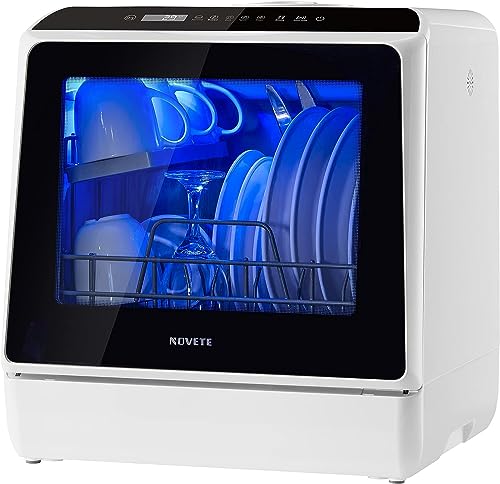
NOVETE Portable Countertop Dishwashers, Compact Dishwashers with 5L Built-in Water Tank & Inlet Hose, 5 Washing Programs, Baby Care, Air-Dry Function and LED Light for Small Apartments
【SMALL SIZE, LARGE CAPACITY】This portable dishwasher only measures 16.9 x 16.8 x 18.1 inches, but holds 4 full…
As an affiliate, we earn on qualifying purchases.
As an affiliate, we earn on qualifying purchases.
Conclusion
So, next time you run your dishwasher, remember it might actually save water compared to hand-washing. Modern machines are designed to be efficient, surprisingly using less water per cycle than doing dishes by hand. This counterintuitive truth shows that embracing technology can help your household stay eco-friendly. Don’t let outdated assumptions hold you back—trust the facts and choose the smarter, water-saving option for your home.

Eco-Gals Eco Swirlz Washing Machine Cleaner with Bonus Eco Scrubz Dishwasher Cleaner Add On 36 Count Deep Cleaning Tablets
Eco-Gals Washing Machine Cleaner EMPOWERS YOU to live your dream while your washing machine cleans itself.
As an affiliate, we earn on qualifying purchases.
As an affiliate, we earn on qualifying purchases.
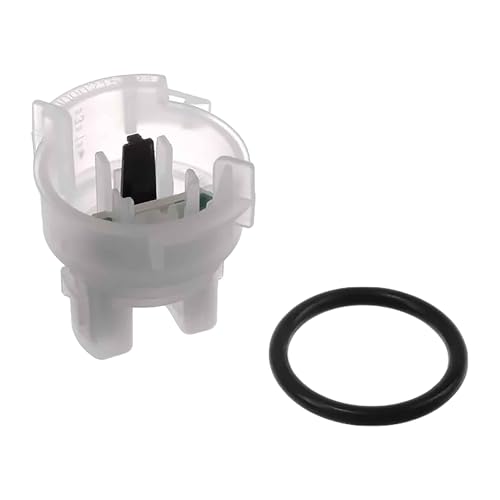
Bosch 00611323 Dishwasher Turbidity Sensor
The 00611323 Turbidity Sensor is a genuine Bosch OEM replacement part.
As an affiliate, we earn on qualifying purchases.
As an affiliate, we earn on qualifying purchases.