
TL;DR
Open a free Amazon Business account
Business pricing, bulk buying and tax-exempt orders.
Create a free accountAs an affiliate, we earn on qualifying purchases.
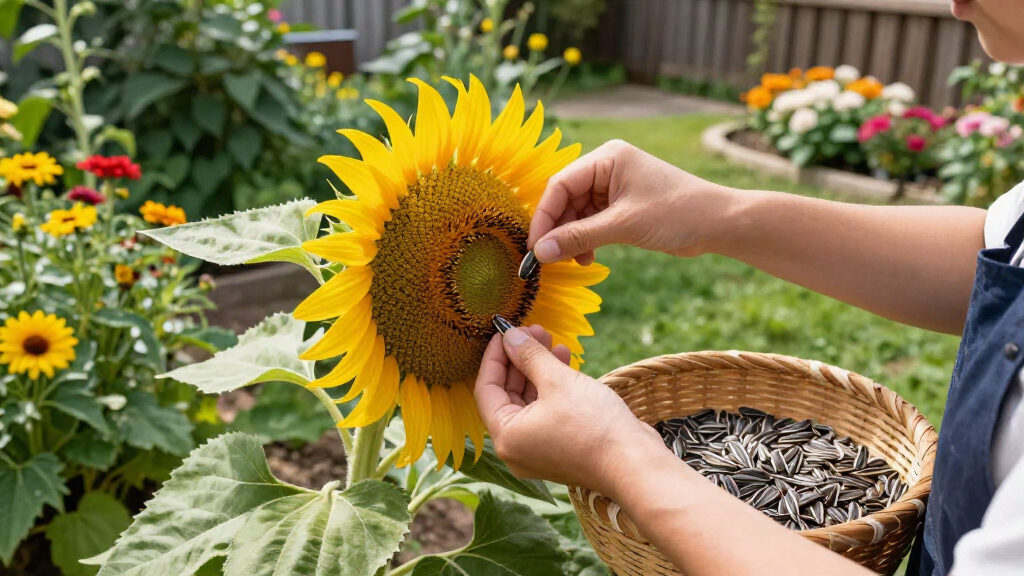
Many gardeners wonder if they can legally collect seeds from public plants. While some laws permit seed collection, restrictions vary by location. This article clarifies what is confirmed, what is claimed, and what remains uncertain about the legal rules.
Legal rules governing the collection of seeds from public plants vary across jurisdictions, with no single nationwide regulation. While some laws permit seed collection from publicly accessible plants, others impose restrictions or require permits. This uncertainty is prompting increased interest among gardeners and horticulturists seeking clarity on their rights and responsibilities.
Confirmed laws differ significantly depending on local, state, or national regulations. In many regions, plants growing on public land—such as parks, roadside verges, or botanical gardens—are considered accessible, and seed collection may be legally permissible for personal use, provided it does not harm the plant or violate specific rules. For example, some city ordinances explicitly permit seed gathering from city-maintained parks, while others prohibit removal of any plant material without permission.
Legal claims or restrictions often hinge on whether the plant is considered part of a protected species, part of a conservation effort, or under specific land-use regulations. In certain cases, even if the plant is publicly accessible, collecting seeds might be restricted if it is part of a designated conservation area or if local laws classify the plant as protected or endangered. The legal distinction between personal use and commercial collection is also significant; commercial seed harvesters typically face stricter regulations.
Claims about the legality of seed collection frequently circulate within gardening communities, but many of these are anecdotal or based on local customs rather than formal laws. It is important for gardeners to consult local authorities or land management agencies to understand specific restrictions before collecting seeds. No nationwide law explicitly addresses seed collection from all public plants, leading to confusion and potential legal risks for unwary collectors.
Legal Implications for Gardeners and Hobbyists
Understanding the legal landscape is crucial for gardeners to avoid potential legal disputes or fines. While seed collection from public plants may seem harmless, it can be subject to a patchwork of local laws and regulations. Knowing the rules helps gardeners responsibly enjoy their hobby without inadvertently violating protections for certain species or land use restrictions. This clarity is especially important as interest in sustainable gardening and seed saving continues to grow, raising questions about what is permissible in different areas.seed collection tools for gardeners
As an affiliate, we earn on qualifying purchases.
As an affiliate, we earn on qualifying purchases.
Legal Landscape and Growing Interest in Seed Collection
Interest in seed saving and sustainable gardening has surged, partly driven by environmental concerns and the desire for local plant varieties. This trend has led to more gardeners exploring public spaces for seed sources. However, legal frameworks governing such activities remain inconsistent, with some regions explicitly permitting seed collection from public plants, while others impose restrictions. The lack of a unified legal standard has contributed to confusion, especially among hobbyists unfamiliar with local laws. Historically, regulations have focused more on conservation and land protection, with less emphasis on personal seed collection rights, which has added to the complexity.Unclear Aspects of Seed Collection Laws
It is not yet clear how strictly local authorities enforce seed collection restrictions, especially in protected or conservation areas. Many regions lack explicit laws, leaving enforcement and legal interpretation open to discretion. Additionally, the distinction between personal use and commercial harvesting remains ambiguous in some jurisdictions, raising questions about permissible quantities and methods. The legal status of collecting seeds from certain protected or endangered species is also uncertain, with potential penalties varying widely.Next Steps for Gardeners and Regulators
Legal clarity is likely to evolve as more jurisdictions review their regulations on seed collection. Gardeners are advised to consult local land management agencies or legal resources before collecting seeds from public plants. Future developments may include clearer national guidelines or local ordinances that specify permissible activities, especially as interest in sustainable gardening continues to grow. Monitoring legal updates and participating in community discussions will help gardeners stay compliant.Key Questions
Can I legally collect seeds from plants in city parks?
In many cities, collecting seeds for personal use from plants in city parks is permitted, but rules vary. It is essential to check local regulations or ask park authorities to avoid legal issues.
Are there any protected plant species I should avoid collecting seeds from?
Yes, collecting seeds from protected or endangered species is generally illegal and can lead to fines or other penalties. Always verify the plant’s status before seed collection.
Does collecting seeds from public plants for commercial purposes require a permit?
Typically, commercial seed collection from public land is regulated more strictly and usually requires permits or licensing. Personal use seed gathering is often less restricted but still subject to local laws.
What should I do if I’m unsure about the legality of seed collection in my area?
Contact local land management agencies, conservation authorities, or legal experts to clarify regulations before collecting seeds from public plants.
Source: rss
Fall yard work Picks
leaf blowers
As an affiliate, we earn on qualifying purchases.