
TL;DR
An Ideal Home report recommends five November tasks to help roses cope with winter: remove dead or diseased growth and fallen leaves, secure climbing stems, mulch around plants and protect vulnerable potted roses from frost. The advice is to tidy and protect now, while saving hard pruning for late winter or spring.
An Ideal Home gardening report has outlined five jobs for rose growers to do in November: tidy plants, clear fallen leaves, secure climbing stems, mulch around roots and shield vulnerable roses from frost. The advice, attributed to gardening and flower experts, focuses on winter protection rather than hard pruning as colder weather sets in.

Get garden gear delivered free with Prime
- Fast, free delivery on millions of items
- Prime Video, Amazon Music and more included
- Member-only deals all year
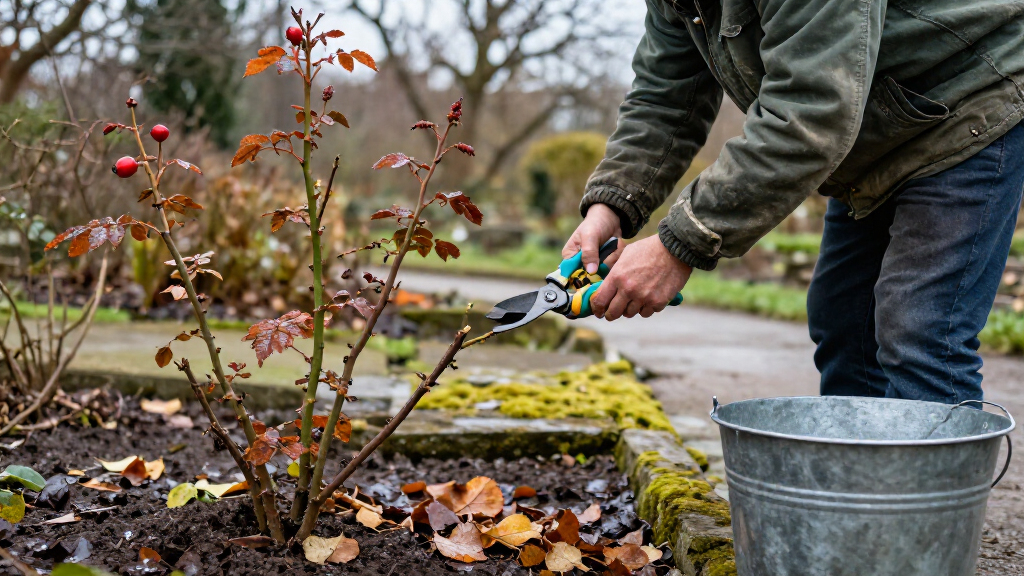
The report advises cutting away dead, damaged or diseased wood with sharp secateurs, but cautions against a major autumn prune. Shelley Davis, floral expert at Flying Flowers, says November is for tidying roses; harder pruning should be left until spring. Julian Palphramand, head of plants at British Garden Centres, also recommends cutting long, flexible stems on bush roses by about a third to reduce movement in strong winds.
Gardeners are advised to collect leaves and debris around rose bushes, especially foliage with black or yellow patches. The report says infected leaves may carry fungal spores, including those associated with black spot, and recommends disposing of diseased material away from the garden compost bin. Clearing the area also helps maintain airflow around plants.
For climbing and rambling roses, the report recommends tying in new growth so winter winds are less likely to damage stems. It also suggests spreading about 5 centimetres of mulch over the soil around plants, while leaving a gap around the main stems. Suggested materials include well-rotted compost, leaf mould or organic mulch; fresh wood chips are discouraged, and grass clippings should be dry.
Protecting Roots and Stems
These tasks address several winter risks at once: wind can rock or break exposed stems, frost can affect roots and container-grown plants, and fallen infected leaves may contribute to disease problems in the following growing season. The report’s advice is aimed at reducing those risks through basic maintenance, not guaranteeing a particular bloom or preventing every disease.
Newly planted roses and potted plants may need more attention than established roses in the ground. Mulch can help insulate roots and retain moisture, while moving pots to a sheltered position and improving drainage can reduce their exposure to cold and wet conditions. Protecting plants now may help them enter spring in better condition, though outcomes will depend on local weather and plant health.
Popular right now

Shark PowerPro Reveal Plus Cordless Stick Vacuum, Charcoal (IZ376H)

Roborock Q7 M5+ Robot Vacuum and Mop with Self-Emptying Dock

Bose QuietComfort Headphones (2nd Gen), Wireless Over-Ear Noise-Cancelling Headphones, Black
As an affiliate, we earn on qualifying purchases.
November Care, Not Hard Pruning
The report describes November as a shift from the active growing-season routine of watering, feeding, deadheading and pruning toward cleaning up and preparing for winter. Many roses will have finished flowering and entered dormancy by this point, although timing varies with conditions and variety.
David Denyer, a florist and gardening expert at eflorist, says dropping temperatures and the first frost make November a useful time to prepare roses for the next growing season. The experts quoted by Ideal Home distinguish this seasonal tidying from the more substantial pruning they recommend for late winter or spring. The timing should be adapted to local weather and the needs of individual plants.
“With dropping temperatures, the first frost and winter setting in, November marks an important month for looking after roses.”
— David Denyer, florist and gardening expert at eflorist
Weather and Plant Needs Vary
The report offers general gardening guidance, not a forecast or a guarantee that these measures will prevent frost damage, wind damage or disease. Local temperatures, soil conditions, rose variety and plant age can affect what a garden needs. The material does not specify a single date for pruning or protecting plants, since conditions differ from one area to another.
It also does not give a detailed method for every rose type or explain how much frost protection each cultivar needs. Gardeners should assess their plants and follow product instructions when using bought mulch, ties or protective coverings. The advice does not establish that every rose needs all five jobs.
Check Plants as Cold Sets In
Over the coming weeks, gardeners can check roses after windy or frosty weather, make sure climbing stems remain secured and remove any fallen diseased leaves. Container roses can be moved to a more sheltered spot and raised slightly to help drainage; coverings should remain secure without being allowed to damage the plant.
As winter progresses, the report’s guidance is to keep major pruning for late winter or spring rather than cutting roses back hard in November. The specific timing will depend on local conditions and the plant. Gardeners should continue to monitor their roses and adjust protection if prolonged freezing weather is forecast.
Key Questions
Should roses be hard-pruned in November?
No, not according to the experts quoted in the report. November is described as a time for removing dead, damaged or diseased wood and tidying plants; hard pruning is advised for late winter or spring.
Should fallen rose leaves go in the compost?
The report recommends collecting fallen leaves, particularly those with black or yellow patches, and disposing of diseased material away from the compost bin because it may carry fungal spores.
How much mulch should go around a rose?
The report suggests a layer of about 5 centimetres of well-rotted compost, leaf mould or organic mulch. Spread it over the surrounding soil and leave a small gap around the main stems.
How can I protect a potted rose from frost?
Move the pot to a sheltered position, such as beside a house wall, and raise it slightly to improve drainage. The report also suggests wrapping the pot with hessian, bubble wrap or horticultural fleece and securing the covering.
Source: idealhome.co.uk