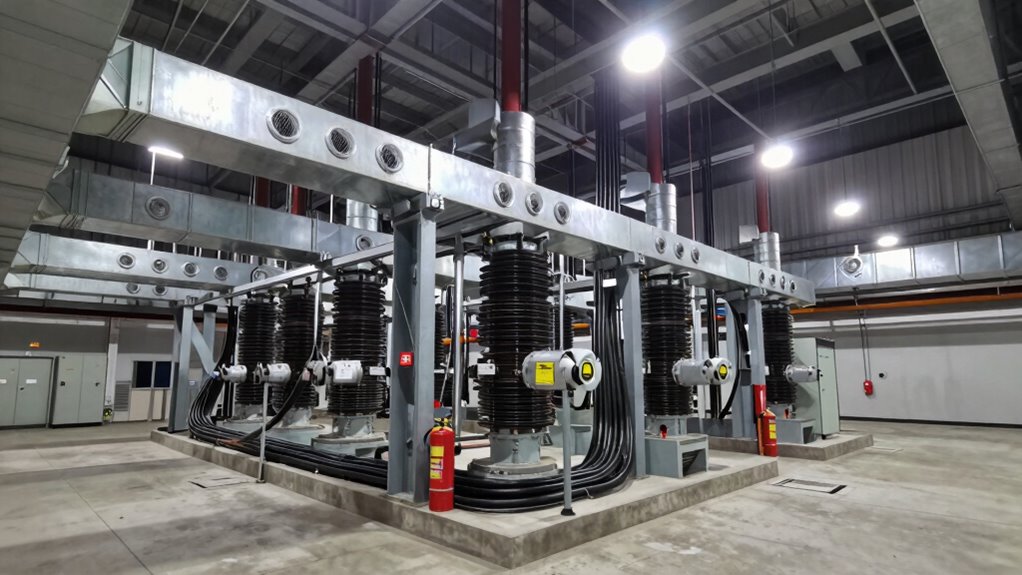

To guarantee power station safety, focus on proper ventilation to prevent overheating and disperse hazardous fumes. Secure cable management reduces tripping hazards and electrical faults. Implement robust fire prevention measures like fire-resistant materials, alarms, and regular drills. Regular inspections of equipment and clear emergency protocols are essential to respond quickly if issues arise. Staying proactive about these safety practices keeps your station secure. Keep exploring to discover more key safety strategies that protect your team and infrastructure.
Key Takeaways
- Proper ventilation design reduces heat buildup and disperses hazardous fumes, preventing fires and equipment overheating.
- Regular inspection and maintenance of cables prevent electrical faults and reduce fire risks.
- Implementing clear fire prevention protocols, including fire detection and suppression systems, enhances station safety.
- Ensuring unobstructed airflow and natural ventilation minimizes dangerous gas accumulation and improves safety.
- Conducting routine emergency drills and staff training ensures quick, effective response to ventilation or fire-related incidents.
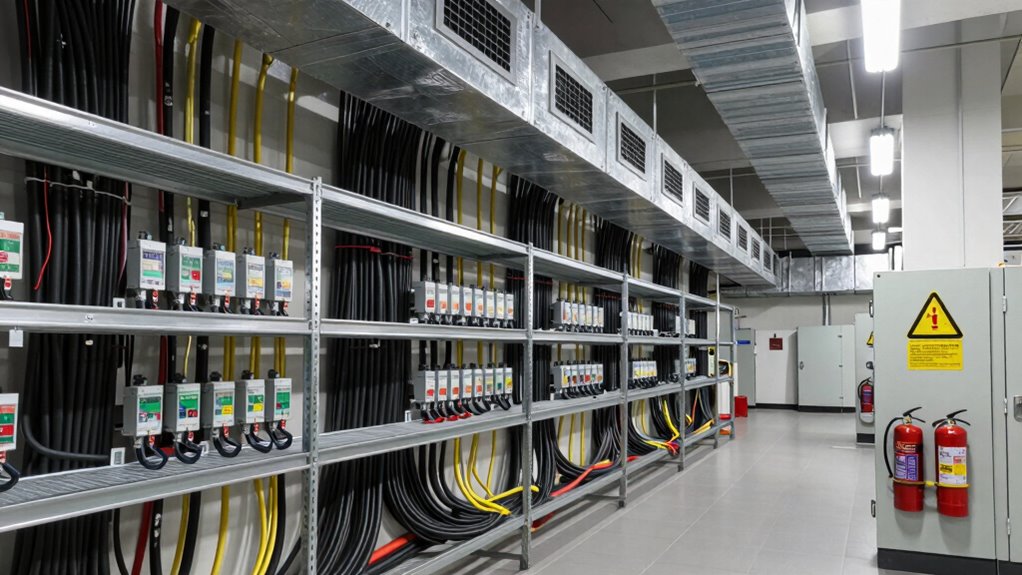
Have you ever wondered what it takes to keep a power station safe? It’s not just about having sturdy infrastructure; it’s about ongoing vigilance, strict procedures, and proper maintenance. Safety at a power station begins with well-designed emergency protocols. These protocols are your blueprint for responding swiftly and effectively during unexpected situations, like equipment failures or fires. Knowing exactly what steps to take can prevent small issues from escalating into disasters. Regularly reviewing and practicing these protocols ensures everyone on-site understands their roles and responsibilities, reducing confusion during emergencies. Equally important is consistent equipment maintenance. You can’t rely on equipment functioning flawlessly if it’s not properly maintained. Regular inspections, testing, and servicing keep everything running smoothly and help identify potential problems before they become hazards. For example, turbines, generators, and control systems all need routine checks to guarantee they’re in top condition. Neglecting maintenance can lead to equipment overheating, electrical faults, or mechanical failures—all of which pose significant safety risks. When maintenance is done diligently, it not only boosts efficiency but also minimizes the chance of accidents. Additionally, understanding the role of natural elements like airflow and ventilation can significantly improve safety by reducing the risk of overheating and ensuring proper dispersal of fumes. Safety isn’t a one-time effort; it’s an ongoing process that demands attention to detail. Emergency drills become indispensable training tools that prepare your team to act swiftly under pressure. These drills simulate real-life scenarios, helping everyone understand how to execute emergency protocols effectively. The more familiar your team is with these procedures, the quicker and more confidently they’ll respond when it counts. Additionally, good communication plays a key role. Clear, concise instructions during emergencies can save lives and prevent damage. That’s why keeping communication systems, like alarms and intercoms, in perfect working order is essential. Furthermore, a proactive approach to equipment maintenance extends beyond routine checks. It involves predictive maintenance, where you use data and monitoring tools to anticipate failures before they happen. This way, you can schedule repairs during planned outages rather than scrambling to fix a breakdown during critical operation hours. By prioritizing both emergency protocols and meticulous equipment maintenance, you’re creating a safer environment for everyone involved. Ultimately, safety at a power station isn’t just about reacting to problems—it’s about preventing them through preparation and upkeep. When you invest in these areas, you’re assuring the station operates reliably and that everyone stays safe, no matter what challenges arise.
Frequently Asked Questions
How Often Should Ventilation Systems Be Inspected and Maintained?
You should inspect and maintain ventilation systems regularly, ideally performing routine checks at least quarterly. During these inspections, make certain filters are replaced as needed to maintain peak airflow and safety. Regular maintenance helps prevent buildup of hazardous fumes and ensures efficient operation. Don’t wait for issues to arise—staying proactive with routine checks and timely filter replacements keeps your power station safe and compliant.
What Are the Best Practices for Cable Management in Power Stations?
Think of cable management like a well-organized library; everything is in its place. You should carefully plan cable routing to avoid tangles and interference, ensuring easy access for maintenance. Use proper insulation practices to prevent short circuits and damage. Secure cables with clips and trays, keeping them neat and supported. Regularly inspect and update your cable layout, maintaining safety and efficiency while reducing fire risks.
Which Fire Prevention Measures Are Most Effective for High-Voltage Areas?
You should prioritize fire suppression systems like automatic sprinklers and fire extinguishers in high-voltage areas. Regularly test and maintain emergency protocols to guarantee quick response during incidents. Keep flammable materials away from electrical equipment, and install smoke detectors for early detection. Training staff on emergency procedures is vital. These measures work together to minimize fire risks and protect personnel and equipment effectively.
How Do Weather Conditions Impact Ventilation and Fire Risks?
Weather fluctuations and temperature effects markedly impact ventilation and fire risks in power stations. Hot, humid conditions can reduce ventilation efficiency, trapping heat and increasing fire hazards. Cold weather may cause equipment to become brittle, raising the risk of electrical faults. You should monitor weather forecasts closely, adjust ventilation systems accordingly, and implement additional fire prevention measures during extreme conditions to maintain safety and reduce risks effectively.
Are There New Technologies Improving Safety in Power Station Ventilation Systems?
Think of your ventilation system as a vigilant guardian, now enhanced with smart sensors and AI diagnostics. These technologies act like a digital heartbeat, constantly monitoring airflow, temperature, and smoke levels. They detect issues early, optimize ventilation, and prevent fires before they start. Your power station benefits from real-time insights, making safety smarter, faster, and more reliable—ensuring your facility stays protected against evolving risks.
Conclusion
Think of your power station as a beating heart, where ventilation keeps the blood flowing, cables are the arteries delivering energy, and fire prevention is the shield protecting it all. When you prioritize these safety measures, you’re safeguarding the life force that powers our world. Stay vigilant, like a steady pulse, and make certain each component works in harmony. Together, you keep the heart of the station strong, reliable, and alive for everyone who depends on it.