Hobby hydroponics seems simple at first, but it quickly becomes more complicated because you need to constantly balance nutrients and monitor pH levels. Small changes in one can affect the other, leading to issues like nutrient lockout or poor growth. Environmental factors like temperature and light also impact the system. As you try to keep everything stable, it’s easy to find yourself troubleshooting more often. Keep exploring, and you’ll discover how to better manage these interconnected challenges.
Key Takeaways
- Managing precise nutrient levels and pH simultaneously requires constant monitoring and adjustments.
- Small changes in pH can significantly impact nutrient availability, making troubleshooting complex.
- Automated systems help but require understanding of interrelated factors to prevent issues.
- Environmental variables like temperature and humidity influence nutrient uptake and pH stability.
- Growing knowledge and technology integration reveal the complexity behind seemingly simple hydroponic setups.

Hobby hydroponics, once seen as a straightforward way to grow fresh vegetables at home, can become surprisingly complex much faster than most beginners expect. At first, you might think all you need is water, some nutrients, and a little light. But as you dive deeper, you realize that maintaining the right plant nutrient balance is more challenging than it seems. Plants rely on a precise mix of macronutrients like nitrogen, phosphorus, and potassium, along with trace elements. If these aren’t balanced properly, your plants won’t thrive, and problems like stunted growth or nutrient deficiencies can quickly arise. You might notice yellowing leaves or poor fruit development, and it’s tempting to think it’s just a matter of adding more nutrients. However, overfeeding can cause more harm than it benefits, leading to root burn or algae growth.
Hobby hydroponics quickly reveals the need for precise nutrient balance and careful monitoring for healthy plant growth.
Alongside nutrient balance, pH level management is crucial, yet often overlooked. The pH level tells you how acidic or alkaline your nutrient solution is, and plants are very sensitive to it. Most vegetables prefer a slightly acidic pH, generally between 5.5 and 6.5. If the pH drifts outside this range, nutrient uptake becomes inefficient, and deficiencies can develop even if your solution contains enough nutrients. You might find yourself constantly adjusting the pH, testing regularly with a reliable meter, and adding pH adjusters like acids or bases to keep things in check. It’s a delicate balancing act—small changes can have big impacts on plant health.
As you gain experience, you’ll see that these factors are interconnected. An imbalanced nutrient solution can alter the pH, and improper pH can cause nutrient lockout, preventing plants from absorbing what they need. This creates a cycle of troubleshooting that quickly becomes routine. Additionally, environmental factors like temperature, humidity, and light also influence nutrient uptake and pH stability, adding more layers of complexity. Recognizing the importance of monitoring and control systems can help streamline this process and prevent issues before they become severe. Many hobbyists find that investing in automated sensors and controllers reduces the constant manual adjustments and helps maintain optimal conditions more reliably. Understanding the principles of hydroponic systems is essential for any grower aiming to troubleshoot effectively and optimize plant health. Moreover, staying informed about emerging technologies and innovations can provide new tools to simplify these complex tasks and improve overall success.
In the end, hobby hydroponics demands a level of precision and attention that surprises many beginners, transforming what seemed easy into a rewarding but intricate gardening journey.

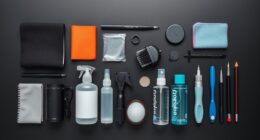
General Hydroponics Ph Control Kit
- Complete pH Testing Kit: Includes all necessary components
- Fast, Accurate Results: Reliable and easy-to-read measurements
- All-In-One Package: Contains pH Up, pH Down, test tools, and chart
As an affiliate, we earn on qualifying purchases.
As an affiliate, we earn on qualifying purchases.
Frequently Asked Questions
What Are Common Beginner Mistakes in Hobby Hydroponics?
You often make beginner mistakes in hobby hydroponics by choosing the wrong plant selection or neglecting lighting optimization. Picking plants that aren’t suited for hydroponic growth can lead to poor results, while insufficient or inconsistent lighting stunts plant development. You might also overlook the importance of adjusting light schedules and intensities. To succeed, focus on selecting adaptable plants and optimize your lighting setup to promote healthy, vigorous growth.
How Do I Troubleshoot Nutrient Deficiencies Quickly?
Troubleshooting nutrient deficiencies is like solving a puzzle quickly. First, check your pH balance and adjust it if necessary, as improper pH affects nutrient uptake. Look for signs like yellowing leaves or stunted growth. To prevent plant pathogens, keep your system clean and monitor for mold or algae. Regularly testing your nutrient solution and making pH adjustments helps you catch issues early, ensuring healthy, thriving plants.
What Safety Precautions Should I Take With Hydroponic Systems?
You should always wear gloves when handling nutrients to prevent skin irritation and wash your hands thoroughly afterward. Keep pest management practices in place to avoid contamination, and regularly inspect your system for pests. Guarantee lighting optimization by avoiding excessive exposure which can cause algae growth or plant stress. Maintain proper electrical safety by securing wires and using waterproof connections, and never leave systems unattended while powered. These precautions keep your hydroponic setup safe and productive.
How Often Should I Replace or Sterilize System Components?
You should replace or sterilize system components every 4-6 weeks to prevent system contamination and nutrient buildup. Regular cleaning, especially of pumps and reservoirs, minimizes harmful bacteria and algae growth. An interesting fact: neglecting this maintenance can reduce your plant yields by up to 30%. Sterilizing with a diluted hydrogen peroxide solution or vinegar keeps your system clean, ensuring healthy plant growth and preventing costly issues down the line.
Can Hobby Hydroponics Be Scaled up Easily?
Yes, hobby hydroponics can be scaled up, but it requires careful attention to plant disease and water pH levels. As you expand, maintaining ideal water quality becomes more challenging, increasing the risk of disease spread. You’ll need to monitor water pH regularly and guarantee proper sterilization of new components. Proper planning, consistent maintenance, and understanding of plant health are essential to successfully scale your system without running into major issues.
Conclusion
As you immerse yourself in hobby hydroponics, you’ll quickly realize it’s more complex than it seems—demanding attention and adjustments. Interestingly, studies show that over 60% of beginners give up within the first year due to overlooked complexities. This highlights how quickly things can get overwhelming. Still, with patience and learning, you can master the art of hydroponics. Remember, persistence is key—embrace the challenges, and you’ll reap rewarding results in the end.