Public markets play a key role in supporting local economies by connecting you directly with farmers, artisans, and small vendors. They create vibrant community spaces where you can find unique foods and crafts while supporting local businesses. These markets boost community pride, make goods more accessible, and help keep money circulating within your area. As you explore further, you’ll discover how these markets enhance economic resilience and cultural diversity in your neighborhood.
Key Takeaways
- Public markets connect consumers directly with local producers, strengthening community economic networks.
- Vendor diversity fosters cultural exchange and offers unique, locally-made products that attract visitors.
- Accessible locations and inclusive hours ensure all community members can participate and benefit economically.
- Supporting small vendors and farmers enhances economic resilience and keeps money circulating locally.
- Community ownership and engagement promote trust, transparency, and sustainable growth within local economies.

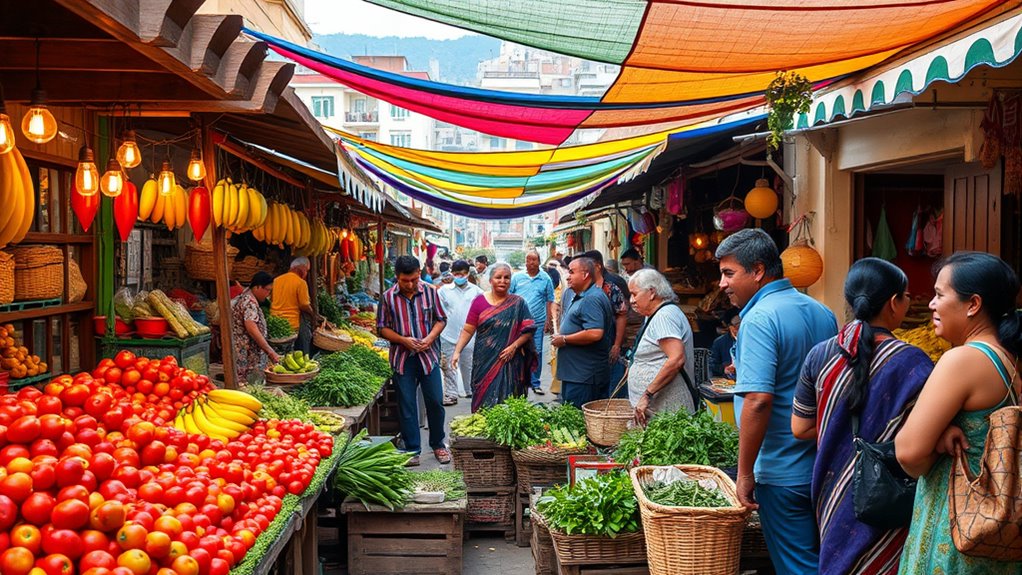
Public markets serve as essential hubs that strengthen local economies by connecting consumers directly with producers. When you visit a public market, you’re not just shopping; you’re supporting a vibrant ecosystem of vendors who bring a variety of goods, skills, and stories to the table. One of the defining features of successful public markets is vendor diversity. You’ll find farmers, artisans, bakers, and specialty food vendors, each contributing their unique offerings. This diversity means you have access to a wide range of products, often produced locally, which supports small businesses and encourages entrepreneurship. It also creates a lively, dynamic environment where different cultural traditions and culinary styles come together, enriching your shopping experience. As a shopper, you get the chance to explore new foods and crafts you might not find in big-box stores, fostering a sense of community and cultural exchange. Additionally, the vibrant atmosphere of public markets can boost local tourism and attract visitors, further stimulating the economy.
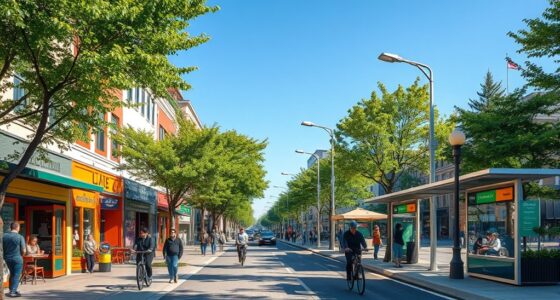
Market accessibility is another indispensable aspect that makes public markets a cornerstone of local economies. You can easily access these markets whether you’re downtown, in a neighborhood, or near transit lines. They’re often designed to be inclusive, welcoming people from all walks of life. This accessibility helps bridge gaps for those who might face barriers to traditional retail, such as transportation issues, limited income, or language differences. Public markets frequently operate during flexible hours, making it easier for working families, seniors, and students to shop comfortably. Additionally, many markets incorporate features like low-cost vendors or programs that support local farmers and artisans, ensuring that fresh, affordable options are available to everyone. This inclusivity promotes economic resilience within the community by giving more people the opportunity to participate in local commerce.
Furthermore, the accessibility of public markets fosters a sense of ownership and pride among community members. You’re more likely to feel invested in a market that’s easy to reach and where you see familiar faces. As you buy directly from vendors, you’re also cutting out middlemen, which often means better prices for you and higher profits for local producers. This direct connection encourages transparency and trust, strengthening community ties. The combination of vendor diversity and market accessibility doesn’t just benefit consumers; it energizes local economies by circulating money within the community, supporting sustainable growth, and promoting a resilient local food system. When you shop at public markets, you’re contributing to a cycle of economic vitality that benefits everyone involved. Recognizing the importance of community engagement can further enhance the positive impact of these markets on local economies.
Frequently Asked Questions
How Do Public Markets Impact Local Small Businesses?
Public markets boost your small business by increasing market diversity, attracting more customers, and creating a vibrant community atmosphere. You can benefit from vendor collaboration, sharing resources, ideas, and marketing efforts to grow together. These markets also provide exposure and direct sales opportunities, helping you build a loyal customer base. By participating, you strengthen local economy and foster a supportive environment that encourages innovation and sustainability for your small business.
What Policies Support the Growth of Public Markets?
You might be surprised, but policies that support public markets often focus on urban revitalization and cultural preservation. Local governments can offer zoning incentives, grants, and technical assistance to encourage market development. These policies not only attract visitors and boost local economies but also safeguard unique cultural identities. By fostering community engagement and protecting historic spaces, you help guarantee public markets thrive, becoming vibrant hubs for commerce and culture.
How Do Public Markets Influence Local Employment Rates?
Public markets boost local employment rates by fostering market diversity, which attracts more consumers and businesses. As you support these markets, you help create jobs in retail, food services, and logistics, driven by changing consumer behavior that favors local and fresh products. Increased market activity encourages entrepreneurs and vendors to expand, leading to more employment opportunities. Your involvement directly contributes to stronger local economies and a dynamic job market.
Are Public Markets Sustainable Environmentally?
Public markets can be sustainable environmentally if you prioritize sustainable agriculture and eco-friendly packaging. By supporting local farmers who use eco-conscious methods, you help reduce carbon footprints and promote biodiversity. Choosing vendors that use biodegradable or reusable packaging further minimizes waste. Your choices in the market directly impact environmental sustainability, making it easier to promote eco-friendly practices and encourage a healthier planet for everyone.
What Are the Challenges Facing Public Markets Today?
You face challenges like market modernization, which requires updating infrastructure and technology to stay competitive. Vendor diversity can also be constrained, reducing customer appeal and innovation. Additionally, you must balance regulatory compliance, funding constraints, and changing consumer preferences. These issues demand strategic planning and investment, so you can adapt to evolving market conditions, attract a broader range of vendors, and guarantee your public market remains vibrant and relevant in today’s economy.
Conclusion
You might be surprised to learn that local markets generate 30% more income for small producers than large supermarkets. Supporting public markets strengthens your community’s economy and preserves local traditions. By choosing to shop at these vibrant hubs, you help create jobs, boost local businesses, and foster a sense of connection. So, next time you visit a public market, remember—you’re not just buying food, you’re investing in your community’s future.

As a valuable member of the Two Green Leaves team, Julia’s expertise in sustainable living and their ability to convey complex concepts in a relatable manner make them an invaluable asset. Their passion for the environment and their dedication to empowering individuals to embrace green practices make them a driving force behind our platform’s mission.