
TL;DR
Gardening experts recommend planting seven specific vegetables in September to extend harvests into fall and prepare for spring. This trend reflects growing interest in year-round gardening, though specific planting guidelines are still emerging.
Why September Planting Extends Your Harvest Season
This trend enables gardeners to enjoy fresh vegetables for longer periods, reducing reliance on store-bought produce and supporting sustainable, local food systems. Extending the growing season also encourages educational and recreational engagement with gardening. Broader shifts toward self-sufficiency and climate-conscious food production are reflected in this practice. Success depends on regional climate conditions and proper planning, so local advice is essential. Techniques like cold frames and row covers are increasingly used to protect crops and extend the season.vegetable seed packets for fall planting
As an affiliate, we earn on qualifying purchases.
As an affiliate, we earn on qualifying purchases.
Growing Interest in Year-Round Gardening and Seasonal Extension
The trend of planting vegetables in September to extend harvests aligns with a broader increase in interest in year-round gardening, driven by concerns about food security, environmental sustainability, and access to fresh produce. Online searches and publications show a rise in content about late-season planting and cold-weather crops. Innovations in gardening techniques and plant varieties have made year-round gardening more feasible in many regions. Urban gardening and community plots also contribute to this trend, with a focus on maximizing growing space and extending seasons. This surge indicates wider adoption of season extension practices across different areas.Regional Variability and Optimal Timing Still Unclear
The success of September planting depends on regional climate conditions. Specific advice on timing, soil preparation, and protective measures varies across regions. Gardeners should consult local resources to tailor their planting schedules and techniques to local conditions.Monitoring Climate and Adapting Gardening Practices
Gardeners should observe local weather patterns and soil conditions to determine optimal planting times. As interest grows, local horticultural organizations are expected to provide region-specific guidance. Ongoing research will help refine best practices and suitable varieties for late-season planting, aiding gardeners in maximizing harvests into fall and spring.Key Questions
Which vegetables are best suited for planting in September?
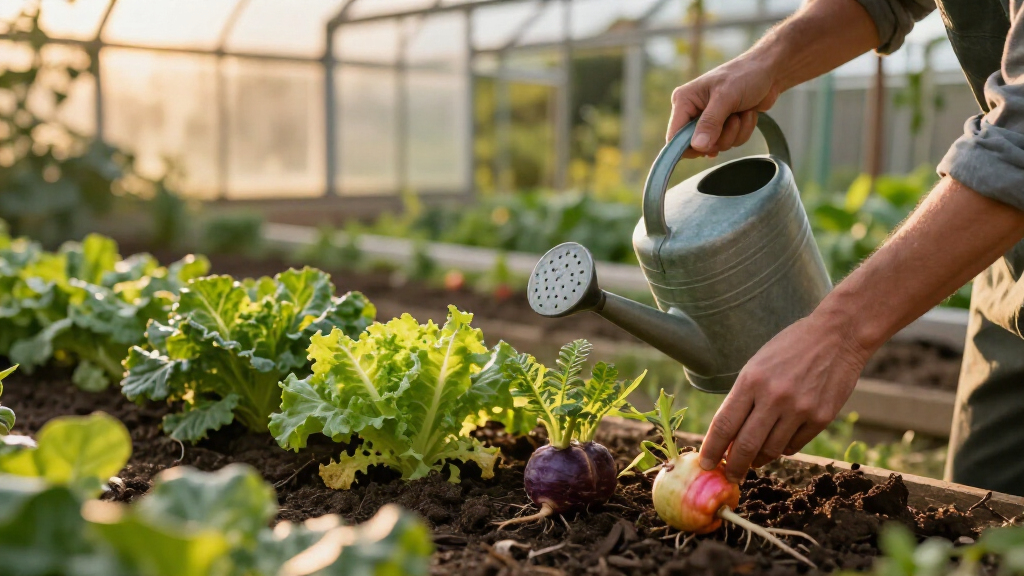
Experts recommend planting kale, spinach, carrots, radishes, broccoli, lettuce, and peas in September for extended harvests.
Can I plant these vegetables in any climate in September?
Success depends on regional climate; in areas with early frosts, protective measures like cold frames or row covers may be necessary. Consult local gardening resources for specific guidance.
Will planting in September affect the quality of the vegetables?
If timed correctly and protected from adverse weather, vegetables planted in September can be nutritious and flavorful. Proper soil preparation and pest management are important.
What techniques can help improve success with late-season planting?
Using cold frames, mulching, selecting resistant varieties, and timing planting according to local frost dates can improve success with September planting.
Is this trend suitable for beginner gardeners?
Yes, with proper planning and regional adjustments, beginner gardeners can successfully extend their harvests by planting these vegetables in September.
Source: rss