
Choosing the right cover crop seeds can feel overwhelming given the sheer variety of blends available, but my top pick for most home gardeners is the Mountain Valley Seed Co No-Till Garden Cover Crop Mix due to its balanced composition and ease of establishment. For those specifically targeting nitrogen depletion, the CZ Grain Nitrogen Builder stands out with its heavy emphasis on legumes like crimson clover and hairy vetch. The primary tradeoff you will face is between weed suppression and nutrient cycling; aggressive grasses choke out weeds but require more management to terminate, while legumes feed the soil but grow slower. I evaluated these options based on seed purity, germination reliability, and species diversity to help you select the blend that matches your specific soil health goals. Continue reading for my full breakdown of how each product performs in different garden scenarios.

Get garden gear delivered free with Prime
- Fast, free delivery on millions of items
- Prime Video, Amazon Music and more included
- Member-only deals all year
Complete the kit


Key Takeaways
- Blends containing at least 30% legumes, such as the CZ Grain Nitrogen Builder, demonstrated superior nitrogen-fixing potential compared to grass-dominant mixes.
- Multi-species blends with 10 or more varieties, like the 15 Seed Blend, offer better resilience against varying soil temperatures and moisture levels than single-species options.
- No-till specific mixes are formulated with smaller seed sizes and faster germination rates to succeed in compacted soil without prior tilling.
- Organic certification matters less for cover crops than seed purity; several non-organic options in this roundup had higher germination rates and fewer weed seeds.
- Bulk options like the Outsidepride Gardenway are cost-effective for large areas but often lack the precise species balance found in smaller, curated garden blends.
| Mountain Valley Seed Co No-Till Garden Cover Crop Mix Seeds |  | Best Overall for No-Till Gardens | Weight: 5 pounds | Unit count: 80 ounces | Seed varieties: Nine, including Austrian field pea, daikon radish, and crimson clover | VIEW ON AMAZON | See Our Full Breakdown |
| Cover Crop Seed Blend by Eretz (8oz) – Willamette Valley, Oregon Grown, Non-GMO, No Fillers, No Weed Seeds |  | Best Small-Bed Pick for Clean Seed | Weight: 8 ounces | Brand: Eretz | Main components: Hairy vetch, crimson clover, peas, and white oats | VIEW ON AMAZON | See Our Full Breakdown |
| Sustainable Seed Co Organic Oat and Peas Cover Crop Mix Seed 1 Lb Non-GMO |  | Best Organic Winter-Killing Mix | Weight: 1 pound | Organic: Yes | GMO status: Non-GMO | VIEW ON AMAZON | See Our Full Breakdown |
| 5 lb All Purpose Garden Cover Crop Seed Mix for Planting – 15 Seed Blend for Raised Beds & Gardens |  | Best for Broad Garden Coverage | Weight: 5 pounds | Blend size: 15 seeds | Coverage: 600–750 square feet per pound | VIEW ON AMAZON | See Our Full Breakdown |
| Cover Crop Seed Collection for Improving Soil – Non-GMO Heirloom Seeds |  | Best for Trying Multiple Individual Crops | Number of packets: 9 | Varieties: Annual buckwheat, crimson clover, Dutch white clover, hairy vetch, yellow mustard, winter oats, Austrian winter pea, daikon driller radish, and winter rye | Coverage: One 8-by-4-foot garden bed per packet | VIEW ON AMAZON | See Our Full Breakdown |
| Cover Crop Seeds 5 Variety Collection for Planting |  | Best for Small-Garden Crop Rotation | Varieties: Oats, buckwheat, white clover, crimson clover, hairy vetch | Seed type: Heirloom, non-GMO, untreated | Planting period: Spring to fall | VIEW ON AMAZON | See Our Full Breakdown |
| No-Till Farm and Garden Cover Crop Mix Seeds – 1 Lb |  | Best for No-Till Garden Diversity | Weight: 1 lb | Listed seed mix: Hairy vetch, daikon radish, forage collards, triticale, and others | Seed status: Non-GMO | VIEW ON AMAZON | See Our Full Breakdown |
| CZ Grain Nitrogen Builder Cover Crop Seed Blend with Crimson Clover, Red Clover, Hairy Vetch & Austrian Winter Peas – 5 Pounds |  | Best for Legume-Focused Nitrogen Building | Named varieties: Crimson clover, red clover, hairy vetch, Austrian winter peas | Package weight: Title: 5 pounds; supplied specs: 2 pounds | Unit count: 1 | VIEW ON AMAZON | See Our Full Breakdown |
| Outsidepride Gardenway Cover Crop Seeds – 10 lbs Mixture of Triticale, Peas, Oats, Vetch, Ryegrass, Crimson Clover & Lentils | 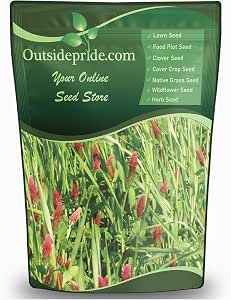 | Best for Larger Garden Areas | Weight: 10 lb | Listed varieties: Triticale, peas, oats, vetch, ryegrass, crimson clover, lentils | Planting period: Summer | VIEW ON AMAZON | See Our Full Breakdown |
| Tin Shed Cover Crop Scavenger Mix Seed – Nutrient Scavenging Multi-Species Blend for Soil Health & Nitrogen Recycling |  | Best for Nutrient Retention in Small Beds | Weight: 16 ounces | Mix type: Grasses, legumes, and fast-growing plants | Named crop examples: Radish, buckwheat, clover | VIEW ON AMAZON | See Our Full Breakdown |
| Tin Shed No-Till Cover Crop Mix Seed – Multi-Species Blend for Soil Health and Weed Suppression |  | Best for Quick, Diverse Soil Cover | Weight: 16 ounces | Blend features: Grasses, legumes, and deep-rooted species | Material feature: Nitrogen-fixing blend | VIEW ON AMAZON | See Our Full Breakdown |
| Peas, Oats, Vetch Garden Cover Crop Mix Seeds – 1 lb Bag |  | Best for Spring-and-Fall Garden Beds | Weight: 1 pound | Coverage: 600–750 square feet | Seed mix: Peas, oats, and vetch | VIEW ON AMAZON | See Our Full Breakdown |
| Mountain Valley Seed Co No-Till Winter Rye Cover Crop Seeds – 5 Lb |  | Best for Cold-Weather Soil Protection | Weight: 5 pounds | Seeding rate: 2–3 pounds per 1,000 square feet | Seeds per bag: Approximately 90,000 | VIEW ON AMAZON | See Our Full Breakdown |
| No-Till Cover Crop 13-Seed Mix (1 lb Bag) – 50% Clovers Plus Fenugreek, Vetch, Flax, Cowpeas, Buckwheat, Forage Peas, Millet, Lentils, Crimson Clover, Sweet Yellow, White Clover, Medium Red Clover |  | Best for Maximum Seed Diversity | Weight: 1 pound | Seed varieties: 13 | Listed seed types: Clovers, fenugreek, vetch, flax, cowpeas, buckwheat, forage peas, millet, and lentils | VIEW ON AMAZON | See Our Full Breakdown |
| cover crop seeds for healthier soil | Weight |
|---|---|
| Mountain Valley Seed Co No-Til | 5 pounds |
| Cover Crop Seed Blend by Eretz | 8 ounces |
| Sustainable Seed Co Organic Oa | 1 pound |
| 5 lb All Purpose Garden Cover | 5 pounds |
| Cover Crop Seed Collection for | — |
| Cover Crop Seeds 5 Variety Col | — |
| No-Till Farm and Garden Cover | 1 lb |
| CZ Grain Nitrogen Builder Cove | — |
| Outsidepride Gardenway Cover C | 10 lb |
| Tin Shed Cover Crop Scavenger | 16 ounces |
| Tin Shed No-Till Cover Crop Mi | 16 ounces |
| Peas | 1 pound |
| Mountain Valley Seed Co No-Til | 5 pounds |
| No-Till Cover Crop 13-Seed Mix | 1 pound |
More Details on Our Top Picks
Mountain Valley Seed Co No-Till Garden Cover Crop Mix Seeds
For gardeners who want several soil-building functions in one sowing, this nine-variety, pre-inoculated blend is the most versatile choice in this group. Austrian field pea and crimson clover support nitrogen building, while daikon radish adds a deep-rooted component; together, they offer broader weed suppression and soil coverage than the oat-and-pea mix from Sustainable Seed Co. Its stated 30–70-day maturity range gives gardeners a relatively quick cover-crop window, though the spread means timing can vary by conditions and species. The five-pound bag suits raised beds and no-till gardens, but the listed seeding rate of 2–4 pounds per 1,000 square feet can use up seed quickly across larger plots. Choose it for diversity and convenience, not for a precisely timed, single-species stand.
Pros:- Nine varieties combine legumes and a deep-rooted radish component.
- Pre-inoculated seed simplifies establishment of the legume portion.
- Suitable for no-till methods and raised beds.
- Five-pound package offers more seed than the small Eretz blend.
Cons:- The stated 2–4-pound seeding rate per 1,000 square feet can make broad coverage seed-intensive.
- A 30–70-day maturity range makes termination timing less uniform.
- A mixed stand may be less suitable than a focused crop when a specific soil function is the priority.
Best for: No-till and raised-bed gardeners who want a pre-inoculated, multi-species blend for varied soil-building roles.
Not ideal for: Growers covering large acreage on a tight seed supply or anyone who needs a narrow, predictable maturity window.
- Weight:5 pounds
- Unit count:80 ounces
- Seed varieties:Nine, including Austrian field pea, daikon radish, and crimson clover
- Maturity:30–70 days
- Seed treatment:Pre-inoculated
- Suggested seeding rate:2–4 pounds per 1,000 square feet
- Model number:18115
- Manufacturer:Mountain Valley Seed Company
Our verdict“Pick this blend if you want broad soil-building diversity and pre-inoculated seed for garden-scale no-till planting.”
Cover Crop Seed Blend by Eretz (8oz) – Willamette Valley, Oregon Grown, Non-GMO, No Fillers, No Weed Seeds
This eight-ounce blend is aimed at gardeners who value a compact package and clear sourcing over bulk coverage. Hairy vetch, crimson clover, peas, and white oats bring legumes and a cereal component together for soil improvement, mulch, compost, and erosion-control uses. The stated weed-seed-free, non-GMO blend also suits growers who want to avoid unwanted plants in carefully maintained beds. Compared with Mountain Valley Seed Co’s five-pound mix, Eretz is much easier to match to a small plot, but its limited quantity means larger gardens may need several packages. It is listed for full sun, partial sun, and partial shade, and the product data identifies sandy soil suitability. As with any mixed stand, planting and maintenance still shape results; this is not a set-and-forget substitute for choosing a crop to match a specific season or goal.
Pros:- Blend is described as non-GMO and free of weed seeds.
- Combines hairy vetch, crimson clover, peas, and white oats.
- Grown in Oregon’s Willamette Valley.
- Suitable for full sun, partial sun, and partial shade.
Cons:- Eight ounces may be insufficient for larger gardens without buying multiple packages.
- Product information does not provide a specific coverage rate or maturity window.
- Good results depend on appropriate planting and ongoing maintenance.
Best for: Small-plot and organic-minded gardeners who prioritize a weed-seed-free, non-GMO blend with regional sourcing.
Not ideal for: Gardeners covering large beds or acreage who need a bulk quantity or a detailed, predictable seeding plan.
- Weight:8 ounces
- Brand:Eretz
- Main components:Hairy vetch, crimson clover, peas, and white oats
- Grown in:Willamette Valley, Oregon
- GMO status:Non-GMO
- Weed seed status:Described as weed-seed-free
- Listed soil type:Sandy soil
- Sun exposure:Full sun, partial sun, or partial shade
Our verdict“Choose Eretz for a small garden where clean, regionally grown seed matters more than bulk coverage.”
Sustainable Seed Co Organic Oat and Peas Cover Crop Mix Seed 1 Lb Non-GMO
When straightforward management matters more than a long species list, this organic oat-and-pea mix offers a focused alternative to the nine-variety Mountain Valley blend. It contains 70% organic Dun peas and 30% organic oats: peas can contribute nitrogen when properly inoculated, while oats add biomass. The mix is described as winter-killing and no-till friendly, which can make spring cleanup simpler than managing a crop intended to persist through winter. Its 50–70-day maturity and 24–36-inch growth height provide useful planning cues, although that height may crowd small beds or neighboring plants. The one-pound package is manageable for garden-scale planting, but unlike Mountain Valley’s pre-inoculated seed, this product requires separately purchased inoculant for best nitrogen fixation. Pick it for a simpler seasonal cover, not maximum botanical diversity.
Pros:- Organic and non-GMO seed.
- Clear 70% pea and 30% oat composition makes the mix easy to understand.
- Winter-killing habit can simplify spring management.
- Listed for spring, summer, or fall planting.
Cons:- Separate inoculant is recommended for optimal nitrogen fixation.
- Growth height of 24–36 inches may be excessive for compact beds.
- A two-species mix offers less functional diversity than Mountain Valley’s nine-variety blend.
Best for: Organic gardeners seeking a simple oat-and-pea cover crop that can winter-kill and fit a no-till routine.
Not ideal for: Buyers who want pre-inoculated legumes, a short groundcover, or a diverse multi-species blend in one bag.
- Weight:1 pound
- Organic:Yes
- GMO status:Non-GMO
- Main components:70% organic Dun peas and 30% organic oats
- Seeds per ounce:435
- Maturity:50–70 days
- Growth height:24–36 inches
- Management trait:Winter-killing; suitable for no-till methods
Our verdict“Choose this mix if you want an organic, relatively simple cover crop that is designed to winter-kill and is manageable with no-till methods.”
5 lb All Purpose Garden Cover Crop Seed Mix for Planting – 15 Seed Blend for Raised Beds & Gardens
For gardeners who need to cover several beds, this five-pound, 15-seed blend has a useful scale advantage over the one-pound Sustainable Seed Co oat-and-pea mix. Its combination of legumes, grains, and deep-rooted plants is intended to add organic matter and nitrogen, making it a broad soil-building choice rather than a single-function crop. The listed coverage of 600–750 square feet per pound helps with bed planning, and a stated 20-inch plant height gives a rough sense of the stand’s size. Spring or fall planting adds flexibility, but the listing does not identify the individual species, so buyers cannot tailor the blend as precisely as they can with the named nine-variety Mountain Valley mix. Establishment also depends on adequate moisture, despite the stated low watering needs once growing. Choose it for volume and adaptability, not species-level control.
Pros:- Fifteen-seed blend combines legumes, grains, and deep-rooted plants.
- Five-pound package is suited to covering multiple garden beds.
- Coverage estimate supports basic area planning.
- Listed for spring or fall planting and a range of soil types.
Cons:- Individual plant species are not identified in the supplied product details.
- Adequate moisture is still needed for quick establishment.
- The listing gives limited detail about actual growth height and maturity timing.
Best for: Gardeners with multiple raised beds who want a larger, broadly adaptable mix and a stated coverage estimate.
Not ideal for: Buyers who need a named seed composition, detailed maturity information, or guaranteed low-water establishment.
- Weight:5 pounds
- Blend size:15 seeds
- Coverage:600–750 square feet per pound
- Planting period:Spring or fall
- Listed plant height:20 inches
- Soil adaptability:Extremely adaptable
- Sun exposure:Full sun to partial sun
- Seeding depth:1/4 inch
Our verdict“Choose this blend for broad garden coverage when package size and a general-purpose mix matter more than knowing every species.”
Cover Crop Seed Collection for Improving Soil – Non-GMO Heirloom Seeds
This collection takes a different approach from the blended mixes: it supplies nine named varieties in separate packets, so gardeners can test crops individually or choose among them for a fall or winter bed. The lineup includes winter rye, oats, clovers, hairy vetch, Austrian winter pea, and daikon driller radish, along with buckwheat and yellow mustard. That range gives a curious gardener more choice than Eretz’s four-plant blend, but each packet covers only an 8-by-4-foot bed, so it is less practical for large areas. Separate packets also mean the buyer must decide what to sow and manage rather than broadcasting one ready-made blend. The collection is listed for sandy or clay soils and calls for regular watering; germination can vary. It suits small-bed experimentation better than simple, bulk soil coverage.
Pros:- Nine named varieties include legumes, grains, and a deep-rooted radish.
- Separate packets let gardeners choose crops rather than commit to one mixed stand.
- Non-GMO and heirloom seed collection.
- Listed for sandy or clay soils and includes planting instructions.
Cons:- Each packet covers only an 8-by-4-foot garden bed.
- Fall and winter are the stated seasons, limiting planting flexibility.
- Regular watering is needed, and germination success may vary.
Best for: Small-bed gardeners who want to compare named cover crops and select varieties for fall or winter planting.
Not ideal for: Growers covering large areas who prefer one ready-to-sow blend or need minimal watering and management.
- Number of packets:9
- Varieties:Annual buckwheat, crimson clover, Dutch white clover, hairy vetch, yellow mustard, winter oats, Austrian winter pea, daikon driller radish, and winter rye
- Coverage:One 8-by-4-foot garden bed per packet
- GMO status:Non-GMO
- Seed type:Heirloom
- Suitable seasons:Fall and winter
- Listed soil types:Sandy or clay soils
- Water needs:Regular watering
Our verdict“Pick this collection if you want to trial several named fall and winter cover crops in small garden beds.”
Cover Crop Seeds 5 Variety Collection for Planting
This collection earns its place for gardeners who want five distinct crops in one small-garden package: oats and buckwheat alongside white clover, crimson clover, and hairy vetch. That mix gives buyers more flexibility than the legume-only CZ Grain Nitrogen Builder blend, particularly when rotating crops across raised beds or filling beds between seasons. The listed spring-to-fall planting window and zone 3–9 range also make it a versatile option for many home gardens. Its heirloom, non-GMO, untreated seed profile may appeal to gardeners who prefer fewer seed treatments. The tradeoff is scale: this is positioned for raised beds and small plots, not broad acreage, and its varieties have different growth habits and needs. I’d skip it if you want a simple, uniform crop or need detailed quantities for covering a large area.
Pros:- Combines five crops, including grasses, a quick-growing buckwheat, and three legumes.
- Heirloom, non-GMO, and untreated seed profile.
- Listed for spring-to-fall planting and USDA zones 3–9.
- Product information includes planting instructions and tips.
Cons:- Small-garden focus makes it a poor fit for large-scale planting.
- Different varieties may call for different timing and growing conditions.
- Moderate moisture and full-sun needs may not suit every bed.
Best for: Raised-bed and small-plot gardeners who want several cover crop types for seasonal rotation.
Not ideal for: Farmers or gardeners covering large fields, since the product is positioned for small-scale use and no large-area coverage information is provided.
- Varieties:Oats, buckwheat, white clover, crimson clover, hairy vetch
- Seed type:Heirloom, non-GMO, untreated
- Planting period:Spring to fall
- Suitable for:Raised beds, small gardens, container gardens
- USDA hardiness zones:3–9
- Expected plant height:24 inches
- Light and moisture:Full sun; moderate moisture
- Soil type:Loam
Our verdict“Choose this collection if you want a varied, untreated seed mix for rotating small garden beds rather than covering a large plot.”
No-Till Farm and Garden Cover Crop Mix Seeds – 1 Lb
For gardeners seeking a no-till-oriented mix with both legumes and plants that can help loosen soil, this one-pound blend brings together hairy vetch, daikon radish, forage collards, triticale, and other seeds. The radish and collards give it a different profile from the five-variety collection, which names oats, buckwheat, and clovers but does not highlight root crops. Its open-pollinated, non-GMO seeds and stated high germination rate are useful signals for buyers planning an annual cover crop. The main limitation is that the listing describes it for annual crops and provides no specific seasonal planting guidance or zone range. That makes it less straightforward for gardeners planning a dependable overwintering stand than a winter-focused rye option elsewhere in the roundup. I’d choose it for a diverse garden bed, not when a precise planting calendar is needed.
Pros:- Includes hairy vetch, daikon radish, forage collards, and triticale.
- Non-GMO and open pollinated.
- Product description states a high germination rate.
- One-pound format suits garden-scale trials and beds.
Cons:- No specific planting season or regional timing guidance is provided.
- Annual-crop positioning may not suit buyers looking for an overwintering stand.
- The listing does not specify proportions for the individual seeds.
Best for: No-till home gardeners who want an annual mix with legumes, brassicas, and a cereal crop in a one-pound bag.
Not ideal for: Gardeners seeking a specified winter-hardy or overwintering blend, since the product is listed for annual crops and gives no seasonal schedule.
- Weight:1 lb
- Listed seed mix:Hairy vetch, daikon radish, forage collards, triticale, and others
- Seed status:Non-GMO
- Pollination:Open pollinated
- Germination:Described as high
- Crop cycle:Annual
- Volume:16 fluid ounces
- Brand:Mountain Valley Seed Company
Our verdict“Pick this blend for a varied annual no-till garden planting, but choose a dedicated winter cover crop when overwintering is the priority.”
CZ Grain Nitrogen Builder Cover Crop Seed Blend with Crimson Clover, Red Clover, Hairy Vetch & Austrian Winter Peas – 5 Pounds
This blend is the most focused choice here for gardeners who want to build soil with four nitrogen-fixing legumes: crimson clover, red clover, hairy vetch, and Austrian winter peas. Compared with Outsidepride Gardenway’s broader mix of grasses, cereals, peas, and lentils, CZ Grain keeps the emphasis on legumes rather than offering as many crop types. That narrower approach can suit a bed or orchard where nitrogen-building legumes are the main goal, but it provides less variety in growth form. The listing describes spring or fall planting and use in gardens, orchards, and pasture renovation. However, it supplies little detail on seed proportions, germination, or regional planting schedules, so planning may take more research than with products that include planting guidance. There is also a package-size mismatch: the title says five pounds while the supplied specs state two pounds. I’d verify the delivered size before buying.
Pros:- Four named legume species support a focused nitrogen-building approach.
- Described for gardens, farms, orchards, and pasture renovation.
- Suitable for spring or fall planting according to the product description.
- The legume-centered mix differs from broader grass-and-cereal blends.
Cons:- Product title says five pounds while the supplied specifications say two pounds.
- No specific germination rate or seed proportions are provided.
- Planting timing guidance for different regions is not detailed.
Best for: Gardeners and orchard managers prioritizing legume-based nitrogen building and willing to plan planting conditions themselves.
Not ideal for: Buyers who need clearly stated seed proportions, regional sowing directions, or a confirmed package weight before ordering.
- Named varieties:Crimson clover, red clover, hairy vetch, Austrian winter peas
- Package weight:Title: 5 pounds; supplied specs: 2 pounds
- Unit count:1
- Brand:CZ Grain
- Manufacturer:CZ Grain, LLC
- Suggested planting seasons:Spring or fall
- Suggested uses:Gardens, orchards, pasture renovation
Our verdict“Choose CZ Grain when a legume-heavy nitrogen-building blend matters more than species breadth, after confirming the package weight.”
Outsidepride Gardenway Cover Crop Seeds – 10 lbs Mixture of Triticale, Peas, Oats, Vetch, Ryegrass, Crimson Clover & Lentils
Among this batch, Outsidepride is the clear choice for buyers who need a larger 10-pound supply and a wide mix of cereals, grasses, and legumes. Triticale, oats, and ryegrass add variety beyond the legume-only CZ Grain blend, while peas, vetch, crimson clover, and lentils contribute a legume component. The product is also described as helping limit erosion and attract pollinators, making it a broader-purpose option than a blend chosen chiefly for nitrogen building. The tradeoff is less flexibility around timing: the supplied specs point to summer planting and list USDA zone 3, while the description presents it as easy to grow across varied applications. Those details leave questions for gardeners outside that narrow specification. At two feet tall, it may also be more crop than a compact raised bed needs. I’d favor it for larger garden areas with room for a mixed stand.
Pros:- Ten-pound package suits larger planting areas better than one-pound garden mixes.
- Combines cereals, grasses, and legumes across seven named crop types.
- Product description cites erosion reduction and pollinator attraction.
- Listed at two feet tall, offering substantial above-ground cover.
Cons:- Supplied planting information specifies summer, limiting timing flexibility.
- USDA zone information is listed only as zone 3.
- The mix may be excessive for small beds or container gardens.
Best for: Gardeners with larger plots who want a multi-species mix for soil cover, erosion reduction, and pollinator support.
Not ideal for: Small raised-bed growers or buyers seeking a clearly documented multi-season planting window, since the listed timing is summer and the zone information is limited.
- Weight:10 lb
- Listed varieties:Triticale, peas, oats, vetch, ryegrass, crimson clover, lentils
- Planting period:Summer
- Expected blooming period:Summer
- USDA hardiness zone:3
- Expected plant height:2 feet
- Light and moisture:Partial sun; moderate watering
- Soil type:Loam
Our verdict“Choose this larger, diverse blend for broad garden coverage if its summer planting window and zone details fit your site.”
Tin Shed Cover Crop Scavenger Mix Seed – Nutrient Scavenging Multi-Species Blend for Soil Health & Nitrogen Recycling
Tin Shed’s scavenger mix is aimed at gardeners concerned about nutrient leaching between crops, with a blend described as combining grasses, legumes, and fast-growing plants such as radish, buckwheat, and clover. That purpose separates it from CZ Grain’s legume-centered nitrogen builder: this mix emphasizes nutrient capture and recycling across several plant types rather than focusing on legumes alone. Its 16-ounce package and small-area positioning make it a more practical fit for garden beds than Outsidepride’s 10-pound blend. The tradeoff is sparse buying information: the listing does not provide a full species list, proportions, or sowing dates, so it is harder to match the mix to a specific season or soil plan. The stated zone 3–7 range and full-sun exposure help narrow its fit, but performance may still vary with local conditions. I’d choose it for a small bed when nutrient retention is the priority.
Pros:- Designed to reduce nutrient leaching and recycle nutrients.
- Combines grasses, legumes, and fast-growing crops.
- Named examples include radish, buckwheat, and clover.
- Sixteen-ounce package suits smaller garden areas.
Cons:- The complete species list and seed proportions are not supplied.
- No specific planting season is listed.
- Product information notes that results can vary with soil and climate.
Best for: Home gardeners managing small or medium beds who want a mixed cover crop aimed at capturing and recycling nutrients.
Not ideal for: Buyers who need a complete species list, seed ratios, or detailed regional planting instructions before selecting a cover crop.
- Weight:16 ounces
- Mix type:Grasses, legumes, and fast-growing plants
- Named crop examples:Radish, buckwheat, clover
- USDA hardiness zones:3–7
- Sunlight exposure:Full sun
- Unit count:1
- Brand:TIN SHED
- Manufacturer:Tin Shed Seed Company
Our verdict“Pick Tin Shed’s scavenger blend for small beds where nutrient retention matters, provided you are comfortable with limited species and timing details.”
Tin Shed No-Till Cover Crop Mix Seed – Multi-Species Blend for Soil Health and Weed Suppression
Quick establishment and a mix of grasses, legumes, and deep-rooted species make this Tin Shed blend a flexible pick for gardeners protecting beds between crops. Its varied growth habits can help cover exposed soil, limit erosion, and compete with weeds while contributing to nutrient cycling. Compared with Mountain Valley Seed Co No-Till Winter Rye, this blend offers more than a single grass, though the rye has clearer seeding-rate and germination details for planning. The tradeoff is that Tin Shed lists no coverage, seed proportions, or germination rate, so it is harder to calculate how much area a 16-ounce bag will cover. It is best suited to gardeners who value a mixed stand over a precisely specified planting plan, and who can match sowing to suitable conditions.
Pros:- Combines grasses, legumes, and deep-rooted species for varied soil-cover functions.
- Designed to establish quickly and compete with weeds.
- Supports soil health, nutrient cycling, and erosion reduction.
- Suited to fall planting and use between crop rotations.
Cons:- The 16-ounce package has no stated coverage or seeding rate.
- Germination-rate information is not provided, making stand planning less predictable.
- The description notes that best results depend on planting conditions and may require added fertilizer.
Best for: Gardeners protecting small to midsize beds between crops who want several plant types in one no-till blend.
Not ideal for: Growers planning a large area or needing precise coverage and germination estimates; the listed product details do not provide either.
- Weight:16 ounces
- Blend features:Grasses, legumes, and deep-rooted species
- Material feature:Nitrogen-fixing blend
- Planting period:Fall or between crop rotations
- Sun exposure:Full sun
- Hardiness zones:3–8
Our verdict“Choose this blend for varied cover in garden beds, but pick the winter rye if you want clearer seeding and germination guidance.”
Peas, Oats, Vetch Garden Cover Crop Mix Seeds – 1 lb Bag
Peas, oats, and vetch give this mix a straightforward seasonal role: establish a dense stand in spring or fall, add plant matter, and support nitrogen inputs through its legumes. Its stated 600–750-square-foot coverage makes it easier to plan than Tin Shed’s 16-ounce blend, which lists no area estimate. At a listed height of 24 inches, it can provide substantial ground cover, but may not suit gardeners who need a very low-growing cover near established plants. Moderate moisture needs also mean sowing timing matters; dry conditions can undermine the quick establishment that helps suppress weeds. Compared with the more diverse No-Till Cover Crop 13-Seed Mix, this three-crop blend is simpler to manage, but offers fewer species and less variety in its growth habits.
Pros:- Lists coverage of 600–750 square feet for easier garden planning.
- Peas and vetch contribute nitrogen-fixing legumes alongside oats for plant matter.
- Suitable for both spring and fall sowing.
- Designed for fast establishment and weed-suppressing ground cover.
Cons:- Needs moderate moisture for good establishment.
- May need replanting if the stand is not maintained.
- Its 24-inch listed height can be unsuitable around low-growing crops or tight spaces.
Best for: Home gardeners who want a clearly sized one-pound mix for seasonal bed coverage and can provide moderate moisture.
Not ideal for: Gardeners seeking a low-growing cover or a broad, many-species blend; this mix can reach 24 inches and contains three crop types.
- Weight:1 pound
- Coverage:600–750 square feet
- Seed mix:Peas, oats, and vetch
- Planting season:Spring and fall
- Plant height:24 inches
- Sunlight:Full sun to partial shade
- Moisture needs:Moderate
Our verdict“Pick this mix for well-defined spring or fall coverage in a garden bed where you can keep moisture steady.”
Mountain Valley Seed Co No-Till Winter Rye Cover Crop Seeds – 5 Lb
Cold tolerance and a stated seeding rate make this winter rye a practical choice for covering ground when temperatures limit other options. The 5-pound bag is listed to seed at 2–3 pounds per 1,000 square feet, giving gardeners a clearer basis for planning than the Tin Shed mix, which provides no coverage figure. Rye is a single-species crop, though, so it does not offer the varied plant functions of the No-Till Cover Crop 13-Seed Mix or the legume-and-grass combination in the peas, oats, and vetch mix. Its listed 4–10-day germination window and 90–110-day maturation period help set expectations, but gardeners still need to use the seeding rate carefully. This pick fits larger plots and cold-season protection better than tiny beds or buyers seeking an explicitly organic seed option.
Pros:- Cold-tolerant rye is suited to winter soil cover.
- A 2–3-pound seeding rate per 1,000 square feet helps with area planning.
- Listed germination time is 4–10 days.
- Non-GMO, heirloom seed with fall or spring planting listed.
Cons:- Single-species rye offers less plant diversity than multi-species mixes.
- A five-pound bag may be more seed than a very small garden needs.
- The listing identifies it as non-GMO but does not specify organic certification.
Best for: Gardeners covering larger beds or plots in cold climates who want a single, fast-germinating crop with a stated seeding rate.
Not ideal for: Small-space gardeners who do not want to portion a five-pound bag, or buyers who require an explicitly organic product.
- Weight:5 pounds
- Seeding rate:2–3 pounds per 1,000 square feet
- Seeds per bag:Approximately 90,000
- Germination time:4–10 days
- Maturation period:90–110 days
- Seed type:Non-GMO, heirloom
- Planting season:Fall or spring
- Hardiness zones:1–11
Our verdict“Choose this rye for cold-season coverage across a sizable area; choose a diverse blend if you want multiple crop types in one sowing.”
No-Till Cover Crop 13-Seed Mix (1 lb Bag) – 50% Clovers Plus Fenugreek, Vetch, Flax, Cowpeas, Buckwheat, Forage Peas, Millet, Lentils, Crimson Clover, Sweet Yellow, White Clover, Medium Red Clover
Thirteen seed varieties and Rhizobium inoculation set this mix apart for gardeners who want more species diversity than a simple rye or peas-oats-vetch blend. Its clovers, vetch, cowpeas, and other listed crops offer several legume options within a mix that also includes flax, buckwheat, and millet. That breadth can suit raised beds and no-till containers where a varied stand is the goal, while the listed 65-centimeter height signals that it may grow well above low ground cover. Compared with Mountain Valley’s winter rye, this mix favors diversity over a single cold-tolerant crop, but its one-pound bag has no stated coverage or seeding rate. Moderate watering and adequate sun are also part of the plan, so it is less convenient for dry or shaded plots.
Pros:- Includes 13 listed seed varieties for a broad mix of plant types.
- Rhizobium inoculation is intended to support nitrogen-related soil fertility.
- Non-GMO and described as natural.
- Listed as suitable for raised beds and no-till container gardening.
Cons:- The one-pound bag has no stated coverage or seeding rate.
- Moderate watering and adequate sunlight are needed for the intended growth.
- A listed height of 65 centimeters may be too tall for compact planting areas.
Best for: Raised-bed and no-till container gardeners who want a diverse, non-GMO mix with Rhizobium-inoculated seed.
Not ideal for: Large-scale growers who need stated coverage or a seeding rate, and gardeners with dry, shaded sites or very low height limits.
- Weight:1 pound
- Seed varieties:13
- Listed seed types:Clovers, fenugreek, vetch, flax, cowpeas, buckwheat, forage peas, millet, and lentils
- Seed treatment:Rhizobium inoculated; nitro-coated
- Sunlight:Full sun or partial sun
- Expected plant height:65 centimeters
- Soil type:No-till
- Moisture needs:Moderate watering
- Material features:GMO-free, natural
Our verdict“Choose this mix when species diversity in a raised bed or no-till container matters more than simple coverage calculations.”

How We Picked
My evaluation process prioritized seed purity and germination reliability above all else, as a cover crop that fails to establish provides zero benefit. I examined the species composition of each blend to determine its primary function—whether it was designed for nitrogen fixation, biomass production, or weed suppression. I also considered the clarity of planting instructions and the appropriateness of the mix size for typical home gardeners versus small-scale farmers. Products were ranked higher if they offered a balanced ratio of grasses and legumes, ensuring both soil structure improvement and nutrient contribution. Finally, I filtered out blends with vague ingredient lists or those containing fillers, focusing strictly on seeds that deliver measurable soil health benefits.
Factors to Consider When Choosing 15 Best Cover Crop Seeds For Healthier Soil
Selecting cover crop seeds is not just about picking a bag of seeds; it is about understanding the biological processes you want to trigger in your soil. The following factors will help you match the right seed blend to your specific gardening conditions and end goals.Primary Goal: Nitrogen Fixation vs. Biomass Production
You must decide whether your soil needs nitrogen replenishment or organic matter accumulation. Legume-heavy blends like those featuring crimson clover and vetch are ideal for sandy or nutrient-poor soils because they fix atmospheric nitrogen. Conversely, grass-dominated mixes such as rye and oats excel at producing deep root systems and above-ground biomass, which builds soil structure and organic matter. A common mistake is planting a nitrogen-fixer in soil that is already rich in nitrogen, where it offers little advantage over a cheaper grass seed. Always test your soil first; if nitrogen levels are high, skip the legumes and focus on biomass builders.
Climate and Hardiness Zone Compatibility
Not all cover crops survive winter in every region. Cold-hardy varieties like winter rye and hairy vetch are essential for zones 7 and below to protect soil through the cold months. In warmer climates, warm-season crops like buckwheat, cowpeas, and millet are more effective because they thrive in heat and terminate easily before the next planting season. Planting a cold-tender crop in a frost-prone area results in a dead cover crop that fails to protect the soil during winter. Always check the hardiness zone rating of the primary species in the blend before purchasing.
Termination Method and No-Till Compatibility
How you plan to remove the cover crop dictates which seeds you should buy. No-till gardeners need blends that can be crimped, rolled, or killed by frost, such as oats or vetch, which do not re-root easily after being flattened. If you plan to till the cover crop under, hardier grasses like cereal rye are acceptable but must be chopped before they set seed to prevent them from becoming weeds. Many beginners underestimate the difficulty of terminating dense rye stands without heavy equipment. Choose a blend that matches your available tools and labor capacity to avoid frustration at harvest time.
Seed Purity and Weed Seed Contamination
The quality of the seed mix is often more important than the variety list. High-purity seeds ensure that you are planting the species you paid for, without introducing unwanted weeds into your garden. Look for blends that explicitly state they are free from noxious weed seeds, as even a small contamination rate can ruin a season. Filler seeds like cheap millet or unidentifiable grasses may bulk up the weight but contribute little to soil health. Investing in a reputable brand with transparent labeling saves you from battling invasive weeds later.
Frequently Asked Questions
Can I mix different cover crop seed varieties myself?
Yes, you can create your own mixes, but it requires careful calculation of seeding rates for each species. Commercial blends are pre-calculated so that each species has the correct amount of space to germinate without overcrowding. If you mix them yourself, you risk burying small seeds like clover too deep or overwhelming them with fast-growing grasses. For beginners, buying a pre-mixed blend is safer and ensures better establishment. However, experienced gardeners can customize mixes to target specific soil deficiencies if they understand the growth habits of each plant.
How much seed do I need for a typical raised bed?
Most cover crop blends require between 1 and 3 ounces per 100 square feet for optimal coverage. Over-seeding leads to competition for light and nutrients, which can weaken the individual plants. For a standard 4×8 raised bed (32 square feet), you will need roughly half an ounce to one ounce of seed. Always refer to the specific bag instructions, as large-seeded crops like peas require more weight per square foot than tiny-seeded crops like clover. Using a hand-crank spreader helps distribute the seed evenly for consistent germination.
Will cover crops attract pests to my garden?
Some cover crops can serve as hosts for pests, but this is rarely a problem if you terminate them before your main crop is planted. Brassicas like mustard can attract flea beetles, while dense grasses might harbor slugs or rodents. To mitigate this, choose blends with species that are not primary hosts for the pests common to your main crops. Terminating the cover crop two to three weeks before planting your vegetables breaks the pest life cycle. Most beneficial insects, such as pollinators and predatory beetles, actually benefit from the habitat cover crops provide.
Do I need to fertilize before planting cover crops?
Generally, no. Cover crops are planted specifically to improve soil fertility without additional inputs. Most blends are designed to thrive in low-nutrient conditions, which is often why you are planting them. Adding fertilizer can encourage excessive vegetative growth in grasses, making them harder to terminate, or reduce the nitrogen-fixing activity of legumes. If your soil is extremely deficient, a light application of compost might help establishment, but synthetic fertilizers are usually counterproductive to the goals of cover cropping.
How long does it take for cover crops to improve soil health?
You will see physical changes in soil structure within one to two growing seasons, but significant nutrient cycling takes longer. The roots begin breaking up compaction and adding organic matter as soon as they grow. When you terminate the crop, the decomposition process releases nutrients back into the soil over several weeks. Long-term benefits like increased water retention and microbial diversity become apparent after three to five years of consistent cover cropping. Patience is key; the first year is about establishment, while the third year is about accumulation.
Conclusion
Choosing the right cover crop seeds depends heavily on your specific soil conditions and management style. For the best overall balance of ease and effectiveness, I recommend the Mountain Valley Seed Co No-Till Garden Cover Crop Mix. If your primary goal is nitrogen restoration in depleted soil, the CZ Grain Nitrogen Builder is the superior choice. For those managing large areas on a budget, the Outsidepride Gardenway bulk option provides excellent value. Beginners should start with the Sustainable Seed Co Organic Oat and Peas mix for its forgiving nature and fast growth. Finally, for premium, specialized soil health, the Tin Shed Scavenger Mix offers a sophisticated blend for nutrient recycling. Select the option that aligns with your termination method and climate to maximize your soil health gains.