
The best native shrubs for gardens depend on your region, soil, available space, and whether you want wildlife habitat, edible fruit, or hands-on planting advice. My best overall pick is Native Plants of the Southeast, which pairs a broad species selection with practical garden context for southeastern readers. For gardeners ready to plant, New Jersey Tea is a compact native shrub option, while the Saskatoon serviceberry bundle suits those seeking berries and pollinator appeal. The main tradeoff is between region-specific guidance and living plants, which offer less flexibility if they do not match your site. Read on for the full breakdown and help choosing a fit for your garden.

Get garden gear delivered free — and shop member deals
- Fast, free delivery on millions of items
- Access to Prime Big Deal Days deals on October 6–7
- Prime Video, Amazon Music and more included
Complete the kit


Key Takeaways
- Regional fit separates the strongest guidebooks: Southeast, Northeast, and Midwest titles serve different climates, so a broad national reference cannot replace local guidance.
- Native Plants of the Southeast earns the overall lead for southeastern gardeners seeking a wide species range; the narrower primers are more approachable when you want a shorter regional shortlist.
- Plant bundles make the choice more site-dependent: New Jersey Tea offers a single, compact shrub, while the two serviceberry listings focus on edible fruit and need more room.
- The lineup includes a nonnative exception: Obsession Nandina is not a native shrub, so it does not meet the core goal of this roundup despite its inclusion.
- Books and live plants solve different problems: guides help match species to conditions before purchase, while plants make sense when you already know what will thrive in your location.
| Trees, Shrubs & Hedges for Your Home, Fourth Edition: Secrets for Selection and Care |  | Best Overall for Broad Landscape Planning | Format: Book | Edition: Fourth Edition | Subjects: Trees, shrubs, and hedges | VIEW LATEST PRICE | See Our Full Breakdown |
| The Southeast Native Plant Primer: 225 Plants for an Earth-Friendly Garden |  | Best for Beginner-Friendly Southeast Picks | Format: Book | Plant selection: 225 native plants | Region: Southeastern United States | VIEW LATEST PRICE | See Our Full Breakdown |
| Best Native Plants for Southern Gardens: A Handbook for Gardeners, Homeowners, and Professionals |  | Best for a Southern Gardening Overview | Format: Handbook | Region: Southern gardens | Subject: Native plants | VIEW LATEST PRICE | See Our Full Breakdown |
| Native Plants of the Southeast: A Comprehensive Guide to the Best 460 Species for the Garden |  | Best for Maximum Southeast Species Choice | Format: Book | Plant selection: 460 native species | Region: Southeastern United States | VIEW LATEST PRICE | See Our Full Breakdown |
| Native Trees, Shrubs, & Vines: A Guide to Using, Growing, and Propagating North American Woody Plants | 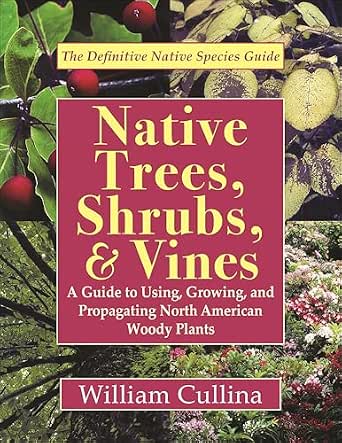 | Best for Propagation and Woody-Plant Skills | Format: Guide | Geographic scope: North America | Plant types: Trees, shrubs, and vines | VIEW LATEST PRICE | See Our Full Breakdown |
| Gardening with Native Plants of the South |  | Best for Southern Garden Planning | Format: Book | Subject: Native plants | Regional focus: Southern United States | VIEW LATEST PRICE | See Our Full Breakdown |
| Ceanothus americanus (New Jersey Tea) Shrub – 1 Gallon Container |  | Best Compact Native Shrub | Plant type: Shrub | Scientific name: Ceanothus americanus | Container size: 1 gallon | VIEW LATEST PRICE | See Our Full Breakdown |
| Essential Native Trees and Shrubs for the Eastern United States: The Guide to Creating a Sustainable Landscape |  | Best Eastern Region Reference | Format: Book | Subject: Native trees and shrubs | Regional focus: Eastern United States | VIEW LATEST PRICE | See Our Full Breakdown |
| Midwestern Native Shrubs and Trees: Gardening Alternatives to Nonnative Species |  | Best for Replacing Nonnative Plantings | Format: Illustrated guide | Subject: Native shrubs and trees | Regional focus: Midwestern United States | VIEW LATEST PRICE | See Our Full Breakdown |
| 4 Serviceberry Live Plants Bundle – Saskatoon and Downy Serviceberry Shrubs |  | Best for Edible Wildlife Gardens | Number of plants: 4 | Plant types: Saskatoon and Downy Serviceberry | Scientific names: Amelanchier alnifolia and Amelanchier arborea | VIEW LATEST PRICE | See Our Full Breakdown |
| Southern Living 2 Gal. Obsession Nandina Shrub |  | Best for Year-Round Foliage | Plant type: Nandina shrub | Container size: 2 gallons | USDA hardiness zones: 6–10 | VIEW LATEST PRICE | See Our Full Breakdown |
| The Northeast Native Plant Primer: 235 Plants for an Earth-Friendly Garden |  | Best Regional Planning Guide | Format: Book | Title: The Northeast Native Plant Primer: 235 Plants for an Earth-Friendly Garden | Plants covered: 235 | VIEW LATEST PRICE | See Our Full Breakdown |
| Saskatoon Serviceberry Bush Plants for Growing – (Amelanchier alnifolia) Juneberry Bushes – Hardy Edible Berry Shrubs for Backyard Gardens, Pollinator-Friendly, White Flowers (5 Plants) |  | Best for Edible Landscaping | Plant: Saskatoon serviceberry (Amelanchier alnifolia), also called Juneberry | Quantity: 5 plants | Sun exposure: Full sun listed; description also notes partial shade | VIEW LATEST PRICE | See Our Full Breakdown |
| native shrubs for garden | Format |
|---|---|
| Trees | Book |
| The Southeast Native Plant Pri | Book |
| Best Native Plants for Souther | Handbook |
| Native Plants of the Southeast | Book |
| Native Trees | Guide |
| Gardening with Native Plants o | Book |
| Ceanothus americanus | — |
| Essential Native Trees and Shr | Book |
| Midwestern Native Shrubs and T | Illustrated guide |
| 4 Serviceberry Live Plants Bun | — |
| Southern Living 2 Gal. Obsessi | — |
| The Northeast Native Plant Pri | Book |
| Saskatoon Serviceberry Bush Pl | — |
More Details on Our Top Picks
Trees, Shrubs & Hedges for Your Home, Fourth Edition: Secrets for Selection and Care
I’d choose this book when native shrubs are one part of a larger home landscape, not the only subject. Its more than 1,000 native plant profiles and guidance on trees, shrubs, and hedges give it broader planning reach than The Southeast Native Plant Primer, which focuses on a defined regional selection. That range can help homeowners compare shrubs with screening and structural plantings before settling on a design. The tradeoff is that the description does not identify a particular region or promise shrub-only depth, so readers may need another reference for local recommendations or detailed planting directions. Its updated edition is a useful signal for gardeners seeking current approaches, but the available information does not specify which techniques changed. I rank it first for versatility, rather than regional specificity.
Pros:- More than 1,000 native plant profiles support broad comparison
- Covers shrubs alongside trees and hedges for whole-yard planning
- Includes practical selection and care guidance for home landscapes
- Fourth edition is described as updated with current gardening techniques
Cons:- Broad landscape scope may provide less focused shrub guidance than dedicated native-plant references
- The provided description does not specify regional coverage or individual planting details
Best for: Homeowners planning a mixed landscape who want one reference spanning native shrubs, trees, and hedges
Not ideal for: Gardeners seeking a tightly regional shrub shortlist or detailed, species-by-species planting instructions
- Format:Book
- Edition:Fourth Edition
- Subjects:Trees, shrubs, and hedges
- Plant profiles:More than 1,000 native plant profiles
- Focus:Selection and care for home landscapes
- Landscape use:Home gardening and landscape design
Our verdict“Choose this as a broad planning reference if you want to weigh native shrubs alongside trees and hedges.”
The Southeast Native Plant Primer: 225 Plants for an Earth-Friendly Garden
For a gardener who needs a manageable starting list in the Southeast, this primer’s 225 regional native plants offer a more focused entry point than Native Plants of the Southeast, which covers 460 species. The smaller selection may make it easier to narrow choices without sorting through a larger reference, while its stated advice on selecting and caring for plants connects the list to practical garden decisions. Its earth-friendly emphasis also suits buyers who want native planting to support a more environmentally conscious garden. The limitation is the same focus that makes it approachable: it is tailored to the Southeast, not a useful regional guide for gardeners elsewhere. The provided details also do not establish how much space is devoted specifically to shrubs, so shrub shoppers may need to check coverage before relying on it alone.
Pros:- Plant selection is tailored to southeastern gardens
- 225 plants create a more contained starting point than the 460-species guide
- Includes practical selection and care advice
- Emphasizes environmentally friendly gardening
Cons:- Regional focus limits usefulness outside the Southeast
- The provided description does not specify how many of the plants are shrubs
- Specific features and depth of care instructions are not detailed
Best for: New and experienced gardeners in the southeastern United States who want a curated native-plant starting list
Not ideal for: Gardeners outside the Southeast or shoppers who need confirmed, detailed shrub-by-shrub coverage
- Format:Book
- Plant selection:225 native plants
- Region:Southeastern United States
- Garden focus:Earth-friendly gardening
- Guidance:Plant selection and care
- Intended readers:Beginners and experienced gardeners
Our verdict“Pick this primer for a regional, approachable native-plant list, provided its shrub coverage fits your needs.”
Best Native Plants for Southern Gardens: A Handbook for Gardeners, Homeowners, and Professionals
This handbook suits readers who want a broad framework for choosing native plants in southern landscapes, especially homeowners, gardeners, and professionals sharing a reference. Compared with The Southeast Native Plant Primer, its description is less specific about the number and selection of plants, but it directly names several kinds of users and emphasizes sustainable landscape choices. That makes it a plausible orientation guide rather than a shortlist-driven buying aid. For a shrub-focused decision, the gap matters: the supplied information gives no named plant recommendations and says planting instructions are not detailed. I’d place it behind the primer for readers who want a defined regional plant list, and behind Native Plants of the Southeast for stated species breadth. Its strength is its broad southern-garden remit; its tradeoff is limited evidence of practical shrub-level detail.
Pros:- Aimed at gardeners, homeowners, and professionals
- Focuses on native plants for southern gardens
- Supports sustainable landscape planning
- Broad audience makes it suitable as a shared introductory reference
Cons:- The supplied description names no specific plant recommendations
- Detailed planting instructions are not identified
- No species count or shrub-specific coverage is provided
Best for: Southern homeowners, garden professionals, and gardeners seeking general guidance on sustainable native landscapes
Not ideal for: Readers who need a quantified plant list, named shrub recommendations, or step-by-step planting instructions
- Format:Handbook
- Region:Southern gardens
- Subject:Native plants
- Intended readers:Gardeners, homeowners, and professionals
- Landscape focus:Sustainable and attractive landscapes
- Plant count:Not specified
Our verdict“Choose this for a general southern native-plant framework, not as your sole source for selecting and planting shrubs.”
Native Plants of the Southeast: A Comprehensive Guide to the Best 460 Species for the Garden
If your priority is breadth, this guide offers the clearest stated species count in the regional group: 460 southeastern native plants. That is substantially broader than the 225 plants in The Southeast Native Plant Primer, giving experienced gardeners more options to investigate for a diverse garden. Its detailed descriptions and care tips also promise more plant-level information than Best Native Plants for Southern Gardens, whose supplied description does not name specific recommendations. The tradeoff is a potentially dense reference, and the listing does not say how many of its species are shrubs or how its coverage is organized for quick decisions. I’d rank it highly for research and biodiversity-minded planning, but less highly for a casual buyer seeking a short, clearly shrub-centered list.
Pros:- Covers 460 native species suited to southeastern gardens
- Offers a broader selection than the 225-plant regional primer
- Includes detailed descriptions and care tips
- Supports garden biodiversity planning
Cons:- The broad species coverage may feel dense for casual gardeners
- The supplied description does not state how many profiles cover shrubs
- No specific organization or quick-selection tools are described
Best for: Southeastern gardeners and plant enthusiasts who want a broad species reference for designing diverse gardens
Not ideal for: Casual gardeners seeking a short shrub shortlist or readers who need confirmed shrub-specific coverage
- Format:Book
- Plant selection:460 native species
- Region:Southeastern United States
- Use:Garden planning
- Plant information:Detailed descriptions
- Care guidance:Tips for selecting and caring for plants
- Stated garden benefit:Enhancing garden biodiversity
Our verdict“Choose this when breadth and detailed plant research matter more than a compact, shrub-only guide.”
Native Trees, Shrubs, & Vines: A Guide to Using, Growing, and Propagating North American Woody Plants
This is the most directly relevant choice here for gardeners who want to learn not only where woody plants fit, but how to grow and propagate them. Its trees, shrubs, and vines scope keeps it centered on woody plants, unlike Native Plants of the Southeast, which offers a larger stated species count but is not described as covering propagation. That makes this guide a stronger match for gardeners hoping to multiply plants or understand cultivation beyond initial selection. The tradeoff is geographic breadth: North American coverage may be less locally precise than the southeastern references, and the description gives no species count or confirmed regional planting lists. It also includes trees and vines, so readers seeking a shrub-only manual may find its scope wider than needed.
Pros:- Covers native North American woody plants
- Includes shrubs alongside trees and vines
- Addresses use and cultivation as well as propagation
- Useful to both gardeners and landscapers
Cons:- Broad North American scope may offer less local specificity than southeastern guides
- The supplied description provides no species count
- Includes trees and vines rather than focusing exclusively on shrubs
Best for: North American gardeners and landscapers who want guidance on cultivating and propagating native woody plants
Not ideal for: Gardeners who need a highly localized shrub list or a reference devoted only to shrubs
- Format:Guide
- Geographic scope:North America
- Plant types:Trees, shrubs, and vines
- Topics:Use, growing, and propagation
- Intended readers:Gardeners, landscapers, and plant enthusiasts
- Species count:Not specified
Our verdict“Choose this for hands-on woody-plant cultivation and propagation guidance, especially if your garden includes more than shrubs.”
Gardening with Native Plants of the South
Gardening with Native Plants of the South is the most region-focused choice here for gardeners who want guidance shaped around southern growing conditions, rather than a bundle of plants or a broad regional plant directory. Its coverage of plant selection, planting, and maintenance can help readers make better choices before buying shrubs such as Ceanothus americanus, which needs full sun and well-drained soil. Compared with Essential Native Trees and Shrubs for the Eastern United States, this book narrows its focus to the South, making it a better fit for southern climates but less useful for gardeners elsewhere. The tradeoff is that the supplied details do not identify specific shrub profiles, illustrations, or the depth of its plant lists, so readers seeking a field-style reference may prefer a more explicitly detailed guide.
Pros:- Advice is tailored to the southern United States
- Covers plant selection, planting techniques, and maintenance
- Supports sustainable, region-conscious landscaping
Cons:- The supplied product details do not identify specific shrub species covered
- No format, illustration, or other physical-book specifications are provided
Best for: Southern U.S. gardeners who want region-specific planting and care guidance before choosing native shrubs
Not ideal for: Gardeners outside the South or buyers who need a clearly documented shrub-by-shrub reference with specified plant profiles
- Format:Book
- Subject:Native plants
- Regional focus:Southern United States
- Coverage:Plant selection
- Planting guidance:Practical planting techniques
- Care guidance:Maintenance tips
- Landscape approach:Sustainable, region-specific landscaping
Our verdict“Choose this guide if you garden in the South and want regional advice before selecting shrubs, but look elsewhere for a documented species-by-species reference.”
Ceanothus americanus (New Jersey Tea) Shrub – 1 Gallon Container
New Jersey Tea earns its place as the lineup’s clearest choice for a defined, compact planting: its listed mature size is 3–4 feet tall and wide, small enough to fit many sunny borders without the scale uncertainty of the serviceberry bundle. Fragrant white flowers in late May add seasonal interest, while the description notes appeal to butterflies and hummingbirds. Its drought resistance also suits gardeners seeking a lower-water option once established, though the listing does not specify establishment care. Compared with the four-plant serviceberry bundle, this is a simpler single-shrub purchase and needs less room, but it does not offer edible berries or the same multi-plant habitat impact. Full sun and well-drained soil are requirements, and the shrub becomes sparse in winter, so it is a poor pick where year-round screening matters.
Pros:- Compact listed mature size of 3–4 feet in both height and width
- Drought-resistant and described as easy to grow
- Fragrant white flowers bloom in late May
- Attracts butterflies and hummingbirds
Cons:- Requires full sun and well-drained soil
- Becomes dormant with few leaves in winter
- A single shrub provides less planting scale than the four-plant serviceberry bundle
Best for: Gardeners in USDA zones 4–8 who have a sunny, well-drained border and want a compact native shrub with pollinator-attracting flowers
Not ideal for: Gardeners needing winter screening, planting in shade or wet soil, or seeking edible fruit from their shrubs
- Plant type:Shrub
- Scientific name:Ceanothus americanus
- Container size:1 gallon
- Mature height:3–4 ft
- Mature width:3–4 ft
- Flower color:White
- Bloom time:Late May
- USDA hardiness zones:4–8
- Growing conditions:Full sun and well-drained soil
Our verdict“Pick New Jersey Tea for a sunny, space-conscious native planting, but skip it if you need winter foliage or edible berries.”
Essential Native Trees and Shrubs for the Eastern United States: The Guide to Creating a Sustainable Landscape
Essential Native Trees and Shrubs for the Eastern United States is the broadest planning reference in this group for readers choosing woody plants across the East. Its stated coverage of plant selection, care, and landscape design makes it more directly useful for building a planting plan than Ceanothus americanus, which is a single shrub with specific sun and soil needs. It also has a wider regional brief than Gardening with Native Plants of the South, so it suits gardeners who need an Eastern U.S. perspective rather than a southern-only focus. That breadth may help when comparing shrubs with trees, but the supplied information does not name species, describe the book’s format, or clarify how much space it devotes to shrubs. Choose it for landscape-level guidance, not a confirmed species checklist.
Pros:- Covers native trees and shrubs for the Eastern United States
- Includes plant selection, care, and landscape design guidance
- Connects native planting choices with sustainable landscaping
Cons:- The supplied details do not name specific shrub species or provide a plant list
- No format or physical-book specifications are provided
Best for: Eastern U.S. homeowners planning a sustainable landscape with a mix of native shrubs and trees
Not ideal for: Gardeners seeking a narrowly focused shrub manual, a specific regional planting guide for the South, or a product with documented species lists
- Format:Book
- Subject:Native trees and shrubs
- Regional focus:Eastern United States
- Landscape approach:Sustainable landscape design
- Plant selection:Covered
- Plant care:Covered
- Landscape design:Covered
Our verdict“Choose this for broad Eastern U.S. woody-plant planning, but favor a more specific regional guide if you need verified shrub profiles.”
Midwestern Native Shrubs and Trees: Gardening Alternatives to Nonnative Species
Midwestern Native Shrubs and Trees has the most explicit replacement-oriented purpose among these books: it helps Midwestern gardeners find native alternatives to nonnative plants already in their plans. That makes it a practical companion for revising a garden around local ecosystem support, while Gardening with Native Plants of the South is the better regional match for southern gardeners. The description also identifies it as an illustrated guide, a useful format for comparing plant appearances during selection. Its limitation is the lack of supplied detail about species coverage, care instructions, or planting design; compared with Essential Native Trees and Shrubs for the Eastern United States, its replacement angle is clearer, but its full reference depth is harder to judge. It is best for a targeted regional rethink, not a confirmed all-in-one shrub manual.
Pros:- Focused on native shrubs and trees suited to Midwestern gardens
- Frames native plants as alternatives to nonnative species
- Illustrations can help readers compare plant appearances
- Supports gardening choices intended to benefit local ecosystems
Cons:- The supplied description does not list specific plants or their growing requirements
- No format or physical-book specifications are provided
Best for: Midwestern gardeners replacing familiar nonnative shrubs and trees with regionally appropriate native options
Not ideal for: Gardeners outside the Midwest or those who need detailed care schedules and a specified list of shrub species
- Format:Illustrated guide
- Subject:Native shrubs and trees
- Regional focus:Midwestern United States
- Primary purpose:Alternatives to nonnative species
- Visual content:Illustrated
- Garden use:Native plant selection
- Ecological focus:Supporting local ecosystems
Our verdict“Choose this if you are in the Midwest and want visual help swapping out nonnative woody plants, but seek a more detailed care guide for species-level instructions.”
4 Serviceberry Live Plants Bundle – Saskatoon and Downy Serviceberry Shrubs
This four-plant serviceberry bundle is the strongest choice here for gardeners who want shrubs to do more than fill a border: it combines two Saskatoon and two Downy Serviceberries for spring blossoms, fall color, edible berries, and wildlife value. That broader seasonal and habitat role contrasts with the compact New Jersey Tea, which is a single plant with a stated mature size and fragrant late-spring flowers but no fruit. The mixed species also offer more planting variety than buying one shrub type, though the listing gives no mature dimensions or growth rates, making spacing harder to plan. Expect patience: abundant berries may take several years, and the bundle needs suitable outdoor space and planting conditions. It suits an edible, wildlife-minded garden better than a tightly measured small border.
Pros:- Includes four plants across Saskatoon and Downy Serviceberry types
- Produces edible, blueberry-like berries enjoyed by people and wildlife
- Offers spring blossoms and fall color
- Supports pollinators and wildlife habitat
Cons:- Mature size and growth rate are not specified, complicating spacing plans
- Abundant berry production may take several years
- Requires outdoor space and suitable planting conditions
Best for: Gardeners with outdoor space who want several native serviceberries for edible fruit, pollinator activity, and seasonal wildlife habitat
Not ideal for: Small-yard gardeners who need known mature dimensions or anyone expecting substantial berry harvests soon after planting
- Number of plants:4
- Plant types:Saskatoon and Downy Serviceberry
- Scientific names:Amelanchier alnifolia and Amelanchier arborea
- Plant type:Shrubs
- Seasonal features:Spring blossoms and fall color
- Fruit:Edible berries
- Wildlife uses:Pollinator attraction and wildlife habitat
Our verdict“Choose the bundle for a roomy edible wildlife garden with patience for establishment, but skip it if you need predictable mature dimensions or a quick harvest.”
Southern Living 2 Gal. Obsession Nandina Shrub
Obsession Nandina stands out for foliage color across the seasons, making it a foliage-first choice among these garden options. Its stated range of USDA zones 6–10 covers a broad range of climates, and its full-sun-to-part-shade preference gives gardeners some flexibility in placement. Compared with the Saskatoon Serviceberry, this shrub is presented for ornamental foliage rather than edible berries, flowers, or wildlife value; choose it when persistent leaf color matters more than a harvest. The 2-gallon container gives you a defined starting size, but the listing provides no mature-size details, so planning its eventual space takes extra research. It also needs watering twice weekly until established, then weekly, which is less hands-off during establishment than the low-maintenance description may suggest.
Pros:- Foliage color is described as attractive throughout the seasons.
- Suitable for full sun to part shade.
- Listed for USDA zones 6–10.
- Care needs ease after establishment, with weekly watering specified.
Cons:- Requires watering twice per week while becoming established.
- No mature dimensions are provided for spacing plans.
- The listing does not establish that this Nandina is native to the buyer’s region.
Best for: Gardeners in USDA zones 6–10 seeking colorful foliage for a sunny or partly shaded planting spot.
Not ideal for: Buyers prioritizing edible fruit, detailed mature-size guidance, or a shrub native to their specific region; the listing identifies Nandina but does not establish regional nativity.
- Plant type:Nandina shrub
- Container size:2 gallons
- USDA hardiness zones:6–10
- Sun exposure:Full sun to part shade
- Watering while establishing:Twice per week
- Watering after establishment:Once per week
Our verdict“Choose Obsession Nandina for season-spanning foliage in zones 6–10, but verify its regional nativity and mature size before planting.”
The Northeast Native Plant Primer: 235 Plants for an Earth-Friendly Garden
This book is the planning pick for Northeast gardeners who want to choose native plants before buying individual shrubs. Its coverage of 235 native plants, paired with planting tips, ecological benefits, and design ideas, gives it a broader role than a single-plant option such as the Saskatoon Serviceberry. That breadth can help readers compare possible plants and build a garden around regional suitability and ecological goals rather than one shrub’s flowers or fruit. The tradeoff is that this is a reference book, not a ready-to-plant shrub: it does not provide a specific plant purchase or detailed care information for any one species in the supplied description. Its Northeast focus is useful for local planning but limits its relevance for gardeners elsewhere, who may need the Southeast primer or another regional guide instead.
Pros:- Covers 235 plants suited to Northeast gardens.
- Includes planting tips and garden-design ideas.
- Connects plant choices with ecological benefits.
- Supports planning an earth-friendly garden rather than choosing a shrub in isolation.
Cons:- The provided description lacks specific plant-care or maintenance details.
- Its regional focus limits usefulness outside the Northeast.
- It is a planning resource, not a live shrub for immediate planting.
Best for: Northeast gardeners planning a native planting who want a regional selection of plants and design guidance before choosing specific shrubs.
Not ideal for: Gardeners outside the Northeast or buyers seeking a live shrub and detailed care instructions for one chosen species.
- Format:Book
- Title:The Northeast Native Plant Primer: 235 Plants for an Earth-Friendly Garden
- Plants covered:235
- Regional focus:Northeast
- Topics:Planting tips, ecological benefits, and garden design ideas
- Gardening focus:Earth-friendly garden planning with native plants
Our verdict“Choose this guide if you garden in the Northeast and want to plan among regional natives before selecting individual shrubs.”
Saskatoon Serviceberry Bush Plants for Growing – (Amelanchier alnifolia) Juneberry Bushes – Hardy Edible Berry Shrubs for Backyard Gardens, Pollinator-Friendly, White Flowers (5 Plants)
Saskatoon Serviceberry is the edible-landscape choice in this group: the description pairs white spring flowers and summer berries with fall foliage, giving the planting more seasonal roles than the foliage-focused Obsession Nandina. The five-plant bundle also lends itself to a hedge or a broader backyard planting, rather than a single specimen. Its stated full-sun exposure and adaptability make it a candidate for open garden sites, while the description also mentions partial shade. The tradeoff for fruit-focused gardeners is patience: abundant berries may take several years, and the listing gives no specific soil guidance or USDA zone range. Compared with The Northeast Native Plant Primer, this is a live planting rather than a planning resource, but buyers still need to check that the species suits their local conditions and native-plant goals.
Pros:- Five plants can support a hedge or grouped garden planting.
- White spring flowers, summer berries, and fall foliage add seasonal interest.
- Edible fruit can serve both people and wildlife.
- Described as suitable for landscaping, hedges, or specimen use.
Cons:- May take several years to produce abundant fruit.
- Specific soil preferences are not provided.
- The listing gives no USDA hardiness zone range.
Best for: Gardeners seeking a multi-plant serviceberry planting for edible landscaping, spring flowers, fall color, and wildlife interest.
Not ideal for: Buyers who need an immediate berry harvest, precise soil or hardiness guidance, or confirmation that this species is native to their particular locality.
- Plant:Saskatoon serviceberry (Amelanchier alnifolia), also called Juneberry
- Quantity:5 plants
- Sun exposure:Full sun listed; description also notes partial shade
- Flowers:White flowers in spring
- Fruit:Sweet purple berries in summer
- Other seasonal interest:Vibrant fall foliage
- Suggested uses:Edible landscaping, wildlife habitat, hedges, or specimen planting
- Brand and manufacturer:CZ Grain
Our verdict“Choose this five-plant Serviceberry bundle for a patient gardener building an edible, wildlife-friendly landscape who can verify local growing conditions.”
How We Picked
I compared these 13 listings by how directly they help a gardener choose and grow native shrubs: regional relevance, species coverage, practical growing guidance, and fit for a real garden. For books, I weighed whether the title focuses on woody plants or offers broader native-plant coverage, and whether its stated region aligns with the reader’s likely climate. For live plants, I looked at the named species, the form of the offering, and the buyer’s need to match the plant to local conditions and available space.
The ranking favors options that offer the clearest path from selection to a suitable garden choice, not simply the widest title or largest bundle. That puts a detailed regional reference ahead for readers still comparing species, while a named plant ranks better for gardeners already ready to plant. The Northeast and Midwest books can be better choices than the top pick outside the Southeast. I flag Obsession Nandina separately because it is not native, making it a poor match for the roundup’s central purpose.
| native shrubs for garden | Format |
|---|---|
| Trees | Book |
| The Southeast Native Plant Pri | Book |
| Best Native Plants for Souther | Handbook |
| Native Plants of the Southeast | Book |
| Native Trees | Guide |
| Gardening with Native Plants o | Book |
| Ceanothus americanus | — |
| Essential Native Trees and Shr | Book |
| Midwestern Native Shrubs and T | Illustrated guide |
| 4 Serviceberry Live Plants Bun | — |
| Southern Living 2 Gal. Obsessi | — |
| The Northeast Native Plant Pri | Book |
| Saskatoon Serviceberry Bush Pl | — |
Factors to Consider When Choosing Best Native Shrubs For Gardens
Native status alone does not tell you whether a shrub will thrive in a particular yard. I would use these factors to narrow the field before choosing a guidebook or placing a live-plant order.
Match the Plant to Your Local Region
Start with the plant’s natural range, not just a broad label such as “North American native.” A species native to one part of the continent may struggle in another because winter lows, summer heat, rainfall, and seasonal timing differ. Regional books can help you find candidates, but verify the species against local extension resources or native-plant organizations before buying. A common mistake is choosing a plant because it is native somewhere, then treating that as proof it suits the yard. If your garden sits near a range boundary, give extra weight to local examples and advice. This regional check matters even more when ordering live plants, since returning an unsuitable shrub after planting is harder than changing a reading list.
Read the Site Before Choosing a Species
Sun exposure, drainage, soil texture, and moisture often matter as much as a plant’s general hardiness. Note whether the planting spot gets morning or afternoon sun, holds water after rain, or dries quickly in summer. Avoid “fixing” every challenging site by changing the soil; selecting a shrub adapted to existing conditions can save work and help it establish. A book may list many appealing choices, but the right one is the species that fits the space you actually have. For a live plant, check the grower’s stated growing conditions and compare them with your site rather than relying on the common name alone. If conditions vary across the yard, choose plants by planting zone within the garden instead of buying a single species for every spot.
Plan for Mature Size and Maintenance
Look up mature height and spread before setting a shrub beside a path, window, fence, or foundation. A small plant in a container can become a large landscape feature, and tight spacing often leads to repeated pruning or removal. Decide whether you want a naturally shaped shrub, a hedge, or a looser habitat planting, since those uses call for different spacing and maintenance. Some shrubs can be pruned to fit a space, but regular size control may reduce flowers or fruit and add ongoing work. When a guide gives several suitable species, prioritize the ones whose mature form matches the space without constant trimming. For small gardens, a compact species such as New Jersey Tea may be a better starting point than a larger serviceberry.
Choose Your Main Garden Benefit
Native shrubs can support pollinators and birds, produce edible fruit, provide screening, or add seasonal flowers, but one plant may not excel at every job. Decide which result matters most before selecting a species, then treat other benefits as bonuses. Serviceberries suit buyers interested in edible fruit and wildlife value, while other shrubs may be better for a compact planting or a specific bloom season. If habitat is your priority, think beyond one specimen: a mix of species with different flowering and fruiting periods can offer more continuous resources. A single bundle can be a convenient start, but it should not dictate the whole garden plan. Match the plant’s main benefit to your needs rather than choosing by a broad “pollinator-friendly” claim alone.
Decide Whether You Need a Guide or a Plant
A field guide or gardening book is useful when you are still learning which species fit your region and site. A live plant is a more direct choice when you already know the species is suitable and have a place ready for it. Buying plants before settling the site can lead to rushed planting decisions, while collecting books without acting can leave a garden plan stalled. A focused regional primer may be easier to use for a short list; a broader reference can help when you want to compare many candidates. For woody plants, prioritize sources that address propagation, establishment, and care rather than relying only on plant descriptions. Match the purchase to the decision you still need to make.
Check Whether “Native” Matches Your Goal
Labels can refer to a species native to a broad region, a cultivar of a native species, or a plant that is simply marketed for landscaping. Those distinctions matter if your aim is to support local ecosystems. Confirm the botanical name and native range, and ask whether a named cultivar retains the traits you want, such as flowers or fruit useful to local wildlife. The Nandina listing in this roundup is a clear reminder that not every shrub sold beside native-plant options is native. If native habitat is your priority, skip it and verify other listings before purchase. Local native-plant groups can help resolve uncertainty where product descriptions use vague regional wording.
Frequently Asked Questions
Should I buy a native shrub guide or live plants first?
Buy a guide first if you have not settled on a species, region, or planting site. It can help you compare candidates before committing to a plant that may not suit your soil or mature space. If you already know the species is locally appropriate and have prepared the planting spot, a live plant is the more direct next step. For a new garden, a regional book paired with local extension advice can reduce guesswork. Avoid treating a general plant listing as a substitute for checking growing conditions.
Can a shrub native to another part of the United States count as native for my garden?
It may be native to the country but still be outside its natural range in your area. Differences in climate, seasonal timing, and local wildlife relationships can affect how well it grows and how much ecological value it provides. Check the species’ native range against local sources rather than relying on a broad “North American native” label. Regional guides in this roundup are useful starting points, but local plant societies and extension services can offer more specific confirmation. When habitat value is your main goal, favor species documented for your local area.
Which option makes more sense for a small garden: New Jersey Tea or serviceberry?
New Jersey Tea is the more natural starting point when space is limited, because it is offered as a single shrub and is generally a more compact choice than a serviceberry. Serviceberries can bring edible fruit and wildlife appeal, but their mature size and spread deserve close attention before planting. Check the specific species and growing conditions, since common names can cover different plants. Also consider whether the spot receives the light and drainage the shrub needs. If you want fruit but have little room, confirm mature dimensions before choosing a serviceberry bundle.
Is Obsession Nandina a good substitute if I cannot find a native shrub?
Not if your goal is specifically to plant a native shrub: the listed Obsession Nandina is nonnative. Its presence in a roundup does not make it equivalent to the native species or regional references here. If availability is the problem, use a regional guide to identify several suitable alternatives and ask local nurseries about those botanical names. Check local guidance before planting any nonnative shrub, since ecological concerns can vary by location. For a native-focused garden, the most reliable substitute is another locally appropriate native species, not a similar-looking plant with a different origin.
How many native shrubs should I plant to support pollinators and birds?
There is no single useful number; garden area, shrub size, and the resources offered across the seasons matter more than a fixed count. A few well-matched shrubs can help, but a mix of species with different bloom and fruiting periods may serve more wildlife needs than several identical plants. Leave room for mature spread so shrubs can grow without heavy pruning. Combine them with other locally suitable plants and avoid pesticide use that can harm beneficial insects. Choose the planting plan around your space and local habitat goals rather than buying a bundle simply because it contains multiple plants.
Conclusion
For southeastern gardeners who want a broad species reference, I recommend Native Plants of the Southeast as the best overall choice; the Southeast Native Plant Primer is the better fit if a more approachable shortlist matters most. For best value in decision-making, choose the regional guide that matches your location rather than paying for a broad reference you may not use. The New Jersey Tea shrub is my pick for beginners who have already confirmed it fits their site, while Saskatoon serviceberry suits gardeners focused on edible fruit and willing to plan for mature size. For premium-level research, the woody-plant reference Native Trees, Shrubs, & Vines is the specialist option for readers who want guidance beyond a simple plant shortlist. Skip Obsession Nandina if native status is nonnegotiable, and check local range and site conditions before ordering any live shrub.
Fall Picks
fall essentials
As an affiliate, we earn on qualifying purchases.