
TL;DR

Get garden gear delivered free — and shop member deals
- Fast, free delivery on millions of items
- Access to Prime Big Deal Days deals on October 6–7
- Prime Video, Amazon Music and more included
Search interest in snake plant care is rising amid reports of yellowing leaves. Experts recommend five simple remedies to restore health. The trend is based on observed plant issues, but specific causes remain unconfirmed.
Many snake plant owners are noticing their plants developing yellow leaves, prompting a surge in search interest for care solutions. Experts confirm that improper watering, lighting, and other common issues can cause yellowing, and five straightforward remedies can often restore the plant’s health. This trend matters because snake plants are popular houseplants, valued for their low maintenance and air-purifying qualities, making their health a common concern among plant enthusiasts.
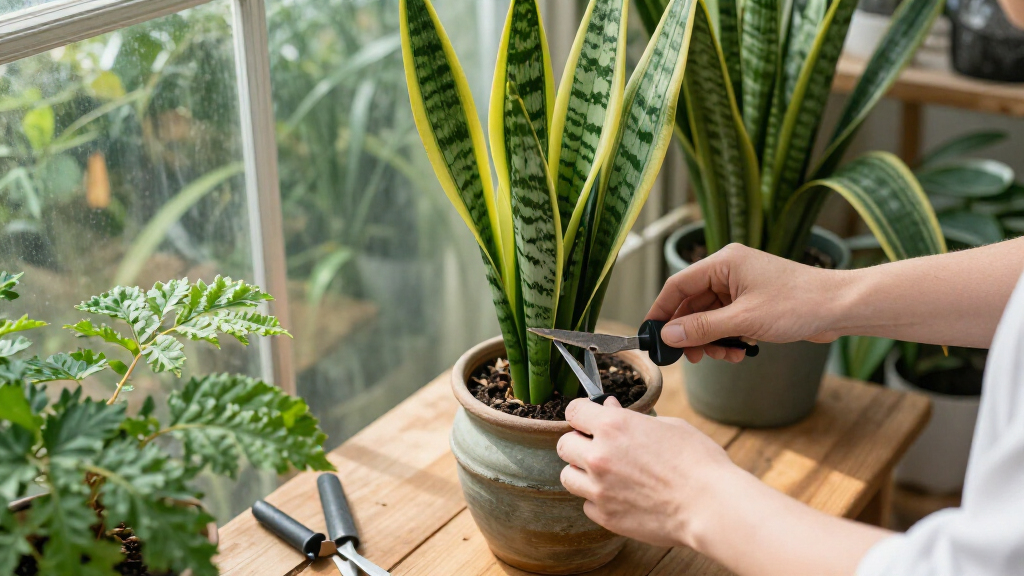
Recent data indicates a spike in online searches related to yellowing snake plants, signaling growing concern among plant owners. According to horticultural experts, the most common cause of yellow leaves in snake plants is overwatering, which can lead to root rot and nutrient deficiencies. Additionally, insufficient light, poor soil drainage, and nutrient imbalances are frequently cited as contributing factors. To address these issues, experts recommend five practical remedies: adjusting watering habits, improving light exposure, repotting into well-draining soil, fertilizing appropriately, and pruning affected leaves.
These remedies are supported by horticultural advice from plant care specialists, who emphasize that early intervention is key. They note that while some yellowing may be a natural part of aging, persistent or widespread yellow leaves typically indicate underlying problems that need correction. The effectiveness of these remedies has been reported anecdotally by many plant owners who have successfully revived their snake plants using these methods.
Why Reviving Your Snake Plant Matters
Snake plants are among the most popular houseplants due to their resilience and air-purifying qualities. A yellowing plant not only affects aesthetic appeal but can also indicate underlying health issues that, if left unaddressed, could lead to plant death. For plant owners, understanding how to quickly and effectively treat yellowing leaves is essential for maintaining a healthy, thriving plant. Additionally, as indoor gardening continues to grow in popularity, reliable remedies for common issues like yellowing are increasingly valuable for hobbyists and novices alike.
As an affiliate, we earn on qualifying purchases.
Background on Common Causes of Snake Plant Yellowing
Snake plants (Sansevieria) are known for their hardy nature, but they are not immune to problems. Yellow leaves are a frequent concern among owners, often linked to overwatering, which can cause root rot, or inadequate light, which hampers photosynthesis. Historically, plant care guides have recommended proper watering schedules, well-draining soil, and sufficient light to prevent such issues. Recent online discussions suggest that many owners are now seeking quick fixes, reflecting a broader trend of increasing interest in houseplant maintenance and troubleshooting. While these issues are well-understood in horticulture, the current spike in concern appears to be driven by a rise in indoor plant ownership and possibly unconfirmed reports of widespread yellowing.
Unconfirmed Causes and Varied Responses
While experts agree that overwatering and inadequate light are common causes, the precise reasons for the recent spike in yellowing reports remain unconfirmed. It is unclear whether environmental factors, recent changes in care routines, or other plant health issues are primarily responsible. Some plant owners report success with remedies, but systematic studies or confirmatory data are lacking at this stage. It is also not yet clear if certain snake plant varieties are more susceptible than others or if external factors like indoor air quality play a role.
Next Steps for Plant Owners and Researchers
Plant owners are encouraged to apply the five remedies—adjusting watering, improving light, repotting, fertilizing, and pruning—and monitor their plants’ responses. Experts suggest that further research could clarify the underlying causes of widespread yellowing and refine treatment recommendations. Additionally, horticultural organizations might conduct studies to determine if specific environmental conditions or plant varieties are more vulnerable. For now, the best approach is proactive care and early intervention to prevent plant loss.
Key Questions
Can overwatering cause snake plant leaves to turn yellow?
Yes, overwatering is a common cause of yellowing leaves in snake plants, often leading to root rot and nutrient deficiencies. Adjusting watering habits can typically reverse this issue.
How much light does a snake plant need to stay healthy?
Snake plants thrive in bright, indirect light but can tolerate low light conditions. Improving light exposure can help prevent yellowing caused by insufficient sunlight.
Is fertilizing necessary for a yellowing snake plant?
Fertilizing can help if yellowing is due to nutrient deficiencies. Use a balanced, diluted fertilizer during the growing season for best results.
When should I repot my snake plant to fix yellowing?
If the soil is compacted or poorly draining, repotting into fresh, well-draining soil can improve root health and reduce yellowing.
Are all snake plant varieties equally susceptible to yellowing?
There is limited data on variety-specific susceptibility, but most common types respond similarly to care adjustments. Monitoring and proper care are key for all varieties.
Source: rss
Fall yard work Picks
leaf blowers
As an affiliate, we earn on qualifying purchases.