TL;DR
Prime for Young Adults — start your free trial
Fast free delivery, streaming and member deals for eligible 18–24 year olds.
Try it freeAs an affiliate, we earn on qualifying purchases.
Search interest in gravel for pot drainage is rising, driven by gardening communities questioning its effectiveness. Experts confirm that gravel can influence drainage but emphasize proper potting practices over simple layering.
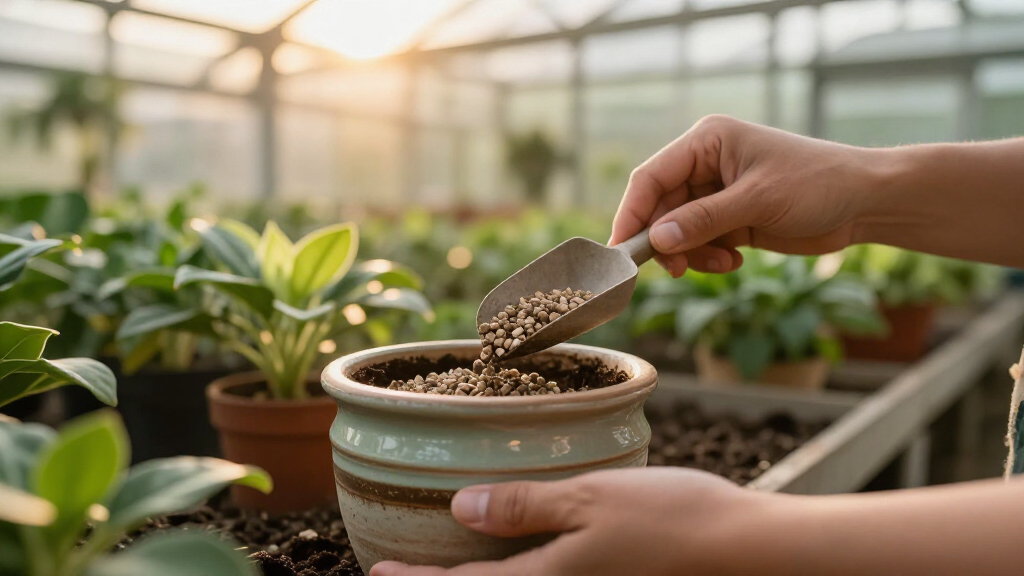
Recent online search trends and gardening discussions indicate a surge in interest around the question: Does adding gravel at the base of pots really improve drainage? Experts confirm that gravel can influence water flow, but emphasize that its effectiveness depends on overall potting practices and soil composition. This development is relevant to gardeners seeking cost-effective ways to prevent overwatering and root rot.
Data from recent search trend analyses shows a significant increase in queries related to gravel and drainage in container gardening, suggesting growing public concern or curiosity. Horticultural specialists note that gravel can create a layer that temporarily facilitates water movement, but it is not a guaranteed solution for drainage issues. Several gardening authorities warn that improper layering can sometimes hinder rather than help, by creating a water reservoir if not properly managed.
Research and expert opinions indicate that the primary factors influencing drainage are soil type, pot size, and watering habits. While gravel can improve drainage in some cases, it is not a substitute for selecting the right soil mix or ensuring proper pot drainage holes. Many experts recommend using well-draining soil mixes designed for container plants rather than relying solely on gravel layers.
Despite anecdotal claims and popular gardening myths, there is limited scientific evidence proving that gravel at the bottom of pots significantly reduces root rot or improves plant health. Experts stress that planting practices, including avoiding overwatering and ensuring adequate drainage holes, are more critical than the presence of gravel.
Why Gardeners Should Reconsider Gravel Layers in Pots
This topic matters because many gardeners, especially beginners, seek simple solutions to prevent overwatering and promote healthy root systems. Relying on gravel as a drainage aid may lead to misconceptions about effective plant care. Understanding the actual role of gravel can help gardeners adopt better practices, reduce plant loss, and avoid unnecessary costs.
Moreover, this trend reflects a broader desire for evidence-based gardening advice. Clarifying the effectiveness of gravel can influence nursery recommendations, DIY gardening strategies, and online advice, ultimately impacting how millions care for container plants worldwide.
well-draining potting soil for container plants
As an affiliate, we earn on qualifying purchases.
As an affiliate, we earn on qualifying purchases.
Historical Use and Common Beliefs About Gravel in Pots
For decades, many gardeners have placed gravel or small stones at the bottom of pots, based on the belief that it improves drainage and prevents waterlogging. This practice originated from traditional gardening advice and anecdotal experiences, often passed down through gardening communities and nursery instructions.
Recent years have seen a resurgence of this advice, fueled by online forums, social media, and gardening blogs. Despite its popularity, scientific studies on the actual impact of gravel layers remain limited. Experts have long debated whether this method genuinely benefits plant health or if it is a myth rooted in outdated practices.
Current research suggests that the effectiveness of gravel depends on various factors, including soil type, pot size, and watering frequency. Some horticulturists argue that gravel can sometimes hinder drainage if it creates a water reservoir, especially in pots with poor drainage holes.
Thus, the debate continues, with many experts urging gardeners to focus on soil quality and proper watering rather than relying solely on gravel layers.
What Scientific Evidence Supports or Challenges Gravel’s Effectiveness
While some gardening sources claim gravel improves drainage, scientific studies are limited and results are mixed. It remains unclear whether gravel significantly reduces root rot or plant stress across different conditions. More controlled research is needed to definitively confirm or refute the practice’s benefits.
Current expert opinions are based largely on anecdotal evidence and practical experience rather than rigorous scientific trials, leaving some uncertainty about the true impact of gravel layers in diverse gardening contexts.
Further Research and Practical Recommendations for Gardeners
Researchers plan to conduct controlled experiments to measure the actual impact of gravel layers on drainage and plant health. Meanwhile, gardening authorities recommend prioritizing well-draining soil mixes, proper pot drainage holes, and appropriate watering routines. Gardeners are advised to treat gravel as a supplementary measure rather than a primary solution.
In the short term, experts suggest experimenting with different soil types and watering schedules to find what works best for individual plants. As more scientific data emerges, gardening guidelines may evolve to clarify the role of gravel in container gardening.
Key Questions
Does gravel at the bottom of a pot prevent root rot?
Current evidence suggests that gravel alone does not reliably prevent root rot. Proper watering, soil choice, and drainage are more important factors.
Can gravel cause drainage problems instead of solving them?
Yes, if not used carefully, gravel can create a water reservoir in the pot, hindering drainage and potentially harming plants.
Is there scientific research supporting gravel as a drainage aid?
Limited scientific studies exist, and results are mixed. Most experts recommend focusing on soil quality and drainage holes instead.
Should I stop using gravel in my pots altogether?
Not necessarily. If used correctly alongside good soil and watering practices, gravel can be a minor aid, but it should not replace essential drainage measures.
What are better alternatives to gravel for improving drainage?
Using well-draining soil mixes, ensuring pots have adequate drainage holes, and adjusting watering routines are more effective strategies.
Source: rss
NFL season / tailgating Picks
team gear
As an affiliate, we earn on qualifying purchases.