TL;DR
Prime for Young Adults — start your free trial
Fast free delivery, streaming and member deals for eligible 18–24 year olds.
Try it freeAs an affiliate, we earn on qualifying purchases.
Lawn experts recommend five key tasks to restore grass health after summer heat. These include aeration, overseeding, fertilization, watering, and weed control. Acting now can prevent further damage before fall.
Homeowners seeking to restore their lawns after the intense summer heat should focus on five proven lawn care tasks, experts say. These steps are essential to revive damaged grass, prevent further deterioration, and prepare the yard for the upcoming season. The advice comes as lawn health declines due to prolonged heat waves and drought conditions, making timely intervention critical.
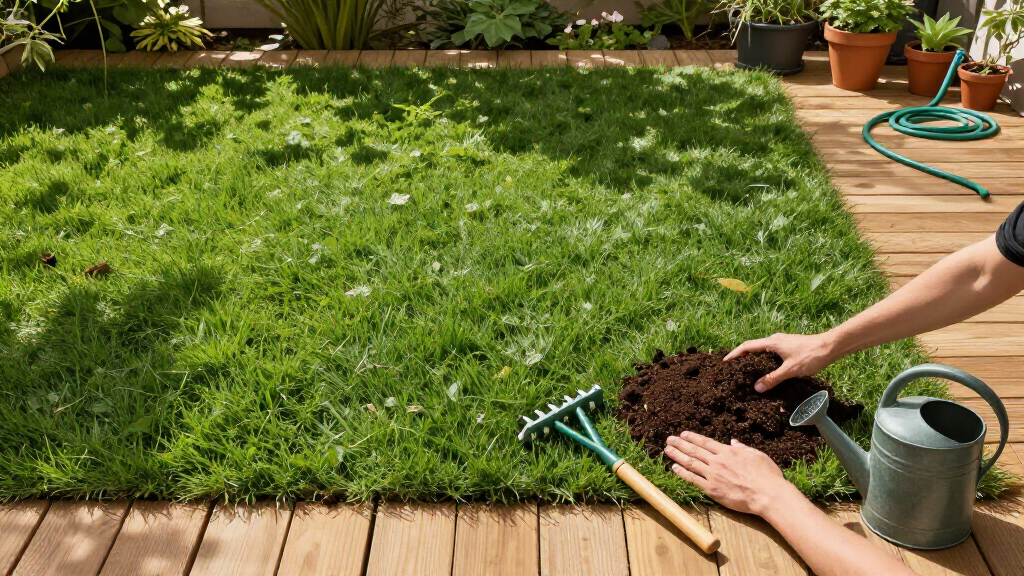
According to horticultural specialists, the five key tasks are aeration, overseeding, fertilization, proper watering, and weed control. Aeration involves perforating the soil to improve airflow and water penetration, which is vital after compacted or heavily stressed lawns. Overseeding helps fill in bare or thin patches, promoting thicker, healthier grass growth. Fertilization provides essential nutrients that may have been depleted during summer, aiding recovery. Proper watering ensures the grass receives adequate moisture without over-saturating, which can lead to disease. Finally, weed control prevents invasive species from competing with recovering grass, ensuring a healthier lawn overall.
Experts emphasize that these tasks should be completed before the end of September to maximize recovery. Delaying action could result in prolonged damage, increased pest or disease issues, and a less resilient lawn come spring. Lawn care professionals recommend combining these practices with regular mowing and ongoing maintenance to sustain improvements over the coming months.
Why Timely Lawn Recovery Matters Before Fall
Restoring a lawn after summer heat is essential for maintaining curb appeal, property value, and outdoor usability. A healthy, resilient lawn can better withstand upcoming seasonal changes and winter dormancy. Moreover, addressing damage early reduces the need for more extensive repairs in spring, saving homeowners time and money. Proper lawn care also supports environmental benefits, such as improved soil health and reduced runoff. Experts warn that neglecting these recovery steps can lead to persistent thin patches, increased susceptibility to pests, and a longer, more difficult recovery process in the future.
As an affiliate, we earn on qualifying purchases.
Summer Heat Impact and the Need for Lawn Recovery
Extended periods of high temperatures and drought conditions have significantly stressed lawns across many regions this summer. Experts report increased reports of patchy, brown, or thinning grass due to dehydration, soil compaction, and heat stress. This trend has led to a surge in interest among homeowners and landscapers in effective recovery techniques. While some lawn damage is natural after extreme weather, proactive measures can help mitigate long-term harm. The current focus on repair coincides with seasonal transitions, making late summer an ideal window for targeted intervention.
Previous years have shown that neglecting post-heat lawn care results in longer recovery periods and increased costs. The current spike in coverage and search interest reflects growing awareness of these issues, although specific triggers for this heightened attention remain unconfirmed.
Unconfirmed Factors Influencing Lawn Recovery Success
It is not yet clear how effective these five tasks will be across different grass types and regional climates. While experts recommend these practices generally, individual results may vary depending on soil conditions, grass species, and ongoing weather patterns. Further studies are needed to quantify the exact impact of each task and identify additional factors that could influence recovery success.Next Steps for Homeowners and Lawn Professionals
Homeowners are encouraged to assess their lawns and prioritize these five tasks before the end of September. Lawn care professionals may offer targeted services such as aeration, overseeding, and fertilization tailored to specific grass species and local conditions. Monitoring weather forecasts and soil moisture levels will help determine the optimal timing for each step. In addition, ongoing maintenance, including regular watering and weed management, should continue through fall to sustain improvements. Researchers and industry experts will likely review the effectiveness of these practices in the coming months to refine recommendations further.
Key Questions
When is the best time to perform these lawn repair tasks?
The optimal window is before the end of September, ideally during early fall when temperatures are cooler and grass is still actively growing.
Can I do these tasks myself or should I hire a professional?
Many homeowners can perform aeration, overseeding, and fertilization with proper equipment and guidance. However, hiring a lawn care professional can ensure the tasks are done correctly, especially for larger or more damaged lawns.
Will these tasks fully restore my lawn after summer heat?
While these practices significantly improve chances of recovery, results depend on the extent of damage, grass type, and ongoing care. Complete restoration may take multiple seasons in severely affected areas.
Are there any risks or precautions I should be aware of?
Proper timing, equipment use, and avoiding overwatering are important. Additionally, applying fertilizers or weed control products should follow manufacturer instructions to prevent damage or environmental harm.
What ongoing maintenance should I do after these tasks?
Continue regular watering, mowing at appropriate heights, and weed management. Adjust watering based on weather conditions and avoid heavy foot traffic on newly seeded or aerated areas.
Source: rss
NFL season / tailgating Picks
team gear
As an affiliate, we earn on qualifying purchases.