

When connecting your solar system through net metering, you’ll need to complete paperwork like detailed system plans, safety certifications, and possibly impact studies. Utility regulations outline deadlines, fees, and inspection procedures to guarantee your setup is safe and compliant. Utility inspections confirm everything meets standards before going live, helping you avoid delays. Staying informed about all these requirements makes your connection smoother and maximizes your savings—continue to explore the essential steps behind this process.

Get garden gear delivered free — and shop member deals
- Fast, free delivery on millions of items
- Access to Prime Big Deal Days deals on October 6–7
- Prime Video, Amazon Music and more included
Key Takeaways
- Submitting detailed system plans and safety certifications is essential for utility interconnection approval.
- Understanding local policies determines how excess energy credits are earned and used.
- Utility inspections ensure systems meet safety standards before connecting to the grid.
- Regulations specify deadlines, fees, and procedural steps for paperwork submission and approval.
- Proper documentation and knowledge of policies streamline the connection process, maximizing solar savings.
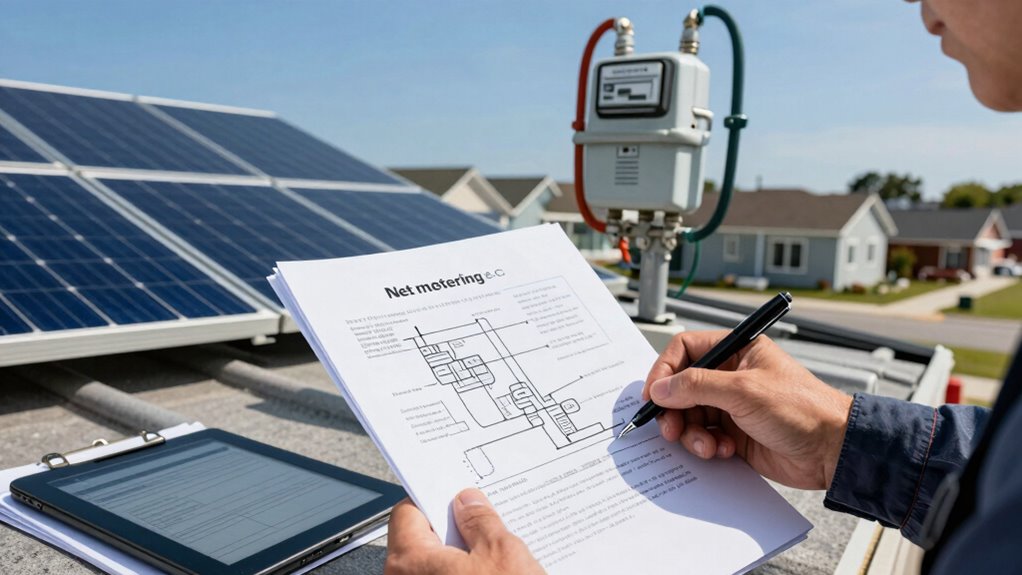
Net metering and interconnection are essential components of integrating renewable energy systems into the power grid. When you decide to go solar, understanding how these processes work is crucial, especially since they’re heavily influenced by solar policies and utility regulations. These policies set the groundwork for how your local utility manages solar installations and compensation, directly impacting your ability to benefit from solar energy. Utility regulations determine the technical and procedural steps you need to follow to connect your solar system to the grid, ensuring safety and reliability. Knowing the ins and outs of these rules helps you steer through the paperwork and avoid delays that could slow down your savings.
The first step in the process involves understanding your local solar policies. Many states have adopted policies that encourage solar adoption through net metering programs, which allow you to send excess energy back to the grid and receive credits on your utility bill. However, these policies vary widely, with some states offering generous compensation rates, while others impose limits or reduce the value of credits over time. Your utility regulations will specify what paperwork is required, such as interconnection agreements and system inspections, and outline the technical standards your solar system must meet. These rules aim to protect both you and the utility, preventing issues like power surges or outages.
Filing for interconnection typically involves submitting detailed plans of your solar system to your utility, demonstrating it meets safety and technical standards. This paperwork often includes system specifications, safety certifications, and sometimes an impact study to assess how your installation might affect the grid. Your utility’s regulations will guide you through each step, including any fees you need to pay and deadlines for review. It’s important to gather all necessary documents and work closely with utility representatives to streamline the approval process. Many utilities also require inspections once your system is installed, confirming it complies with all safety standards before going online. Additionally, understanding the vetted nature of these regulations can help ensure your compliance and smooth connection.
Throughout this process, staying informed about your state’s solar policies and utility regulations helps you anticipate potential hurdles and make sure you’re following all necessary procedures. The paperwork may seem intimidating at first, but it’s designed to safeguard your investment and ensure your solar system operates smoothly within the grid. By carefully steering through these requirements, you’ll be able to start generating your own clean energy sooner, maximizing your savings and reducing your carbon footprint. Ultimately, understanding the paperwork behind net metering and interconnection empowers you to make the most of your solar investment while complying with all necessary rules and regulations.
solar system safety certification kit
As an affiliate, we earn on qualifying purchases.
As an affiliate, we earn on qualifying purchases.
Frequently Asked Questions
How Long Does the Interconnection Approval Process Typically Take?
The interconnection approval process usually takes between 1 to 3 months, depending on your utility and project complexity. You might encounter interconnection timelines that vary, so approval delays can happen if additional information or system upgrades are needed. It’s essential to stay proactive, follow up regularly, and guarantee all paperwork is complete to help speed up the process and avoid unnecessary delays.
Are There Specific Restrictions on System Size for Net Metering?
System size restrictions typically set specific capacity limits, which vary by state and utility. You’ll want to verify your local regulations to see if your solar setup surpasses those limits, as exceeding capacity restrictions could disqualify you from net metering benefits. These size stipulations are designed to ensure fair and efficient energy distribution, so staying within the prescribed system size limits is essential for maximizing your solar savings and staying compliant.
What Fees Are Associated With Interconnection Applications?
When you submit an interconnection application, you’ll encounter interconnection fees and application costs. These fees cover the review process and technical assessments to guarantee your system meets safety standards. Application costs vary depending on your utility and system size. Be prepared for possible additional charges, like inspection or upgrade fees. Always check with your utility beforehand to understand the specific fees involved and budget accordingly for a smooth interconnection process.
Can I Upgrade My Solar System After Initial Approval?
Yes, you can upgrade your solar system after initial approval, but you’ll need to go through the approval process again. Contact your utility or interconnection authority to understand their specific requirements. Typically, you’ll submit an application for the system upgrade, and they’ll review it to ensure compliance. Once approved, you can proceed with your system upgrade, potentially increasing your savings and energy efficiency.
How Are Net Metering Credits Calculated and Applied?
You’re credited for your excess solar energy through net metering, where your utility calculates your credits based on your energy export. These credits are applied as billing adjustments on your monthly statements. Any unused credits usually rollover to subsequent months, helping offset future energy costs. At the end of the year, if credits remain, some utilities may pay you for them, depending on your local policies.
Conclusion
So, next time you enjoy your solar-powered paradise, remember the thrilling saga of paperwork, permits, and endless forms that make your savings possible. Who knew that harnessing the sun’s energy required such a bureaucratic adventure? But hey, at least you get to feel like a seasoned diplomat steering the labyrinth of interconnection. Just think—your solar dreams are powered by nothing more than a mountain of paperwork. Now that’s sustainable bureaucracy at its finest.
Fall yard work Picks
leaf blowers
As an affiliate, we earn on qualifying purchases.