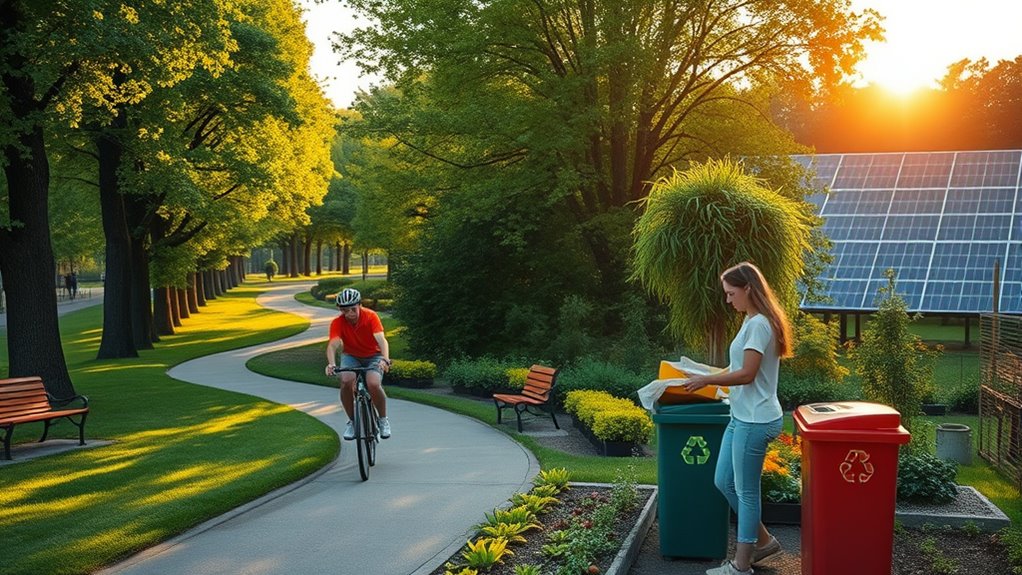

A carbon footprint measures the total greenhouse gases you emit through daily activities, mainly carbon dioxide. To reduce yours, you can switch to renewable energy sources, like solar or wind, and adopt sustainable habits such as biking, walking, or using public transit. Choosing energy-efficient home upgrades and working remotely also help lower your emissions. Small lifestyle changes make a big difference—if you want to learn more ways to lessen your impact, keep exploring.
Key Takeaways
- A carbon footprint measures total greenhouse gases emitted from your daily activities, mainly carbon dioxide, impacting climate change.
- Reducing energy consumption at home through insulation and energy-efficient appliances lowers emissions.
- Switching to renewable energy sources like solar or wind significantly cuts your carbon footprint.
- Adopting sustainable transportation habits, such as biking, walking, or using public transit, decreases pollution.
- Telecommuting and planning trips efficiently help avoid unnecessary travel and reduce your overall carbon emissions.

Understanding your carbon footprint is essential because it measures the total greenhouse gases you emit through daily activities. These gases—mainly carbon dioxide—contribute to climate change, and knowing your impact is the first step toward reducing it. One of the most effective ways to lower your carbon footprint involves shifting to renewable energy sources. Instead of relying on fossil fuels, you can choose solar, wind, or hydroelectric power for your home. Installing solar panels or subscribing to green energy programs from your utility provider allows you to harness cleaner energy, significantly cutting your carbon emissions. Transitioning to renewable energy not only benefits the environment but can also save you money over time, making it a smart and sustainable choice.
Another crucial aspect is adopting sustainable transportation habits. The way you get around plays a big role in your overall carbon footprint. Instead of driving a gasoline-powered car every day, consider options like biking, walking, or using public transportation whenever possible. If you need a vehicle, look into electric or hybrid models that produce fewer emissions. Carpooling with coworkers or friends also reduces the number of vehicles on the road, helping decrease overall pollution. Additionally, combining errands into one trip minimizes fuel consumption, further lowering your carbon output. These small changes, when added up, can make a significant difference over time.
Being mindful of your transportation choices extends beyond just personal vehicles. When possible, opt for telecommuting or remote work to eliminate commuting altogether. If your employer offers flexible work arrangements, take advantage of them. This not only reduces your emissions but also lessens traffic congestion. Moreover, planning your trips efficiently—by consolidating errands or choosing routes that avoid traffic—helps cut down on unnecessary fuel consumption. Remember, sustainable transportation isn’t just about reducing emissions; it’s about creating a lifestyle that prioritizes eco-friendly habits. Incorporating home improvement strategies such as better insulation and energy-efficient windows can further reduce energy consumption and emissions.
Incorporating these practices into your daily routine makes a notable impact. Switching to renewable energy sources and embracing sustainable transportation are powerful ways to lessen your carbon footprint. These changes don’t require overhauling your entire lifestyle but do demand conscious choices. Every step you take toward cleaner energy and greener transportation contributes to a healthier planet. By making informed decisions and adopting sustainable habits, you can reduce your greenhouse gases and help combat climate change, all while enjoying the benefits of a more sustainable lifestyle.
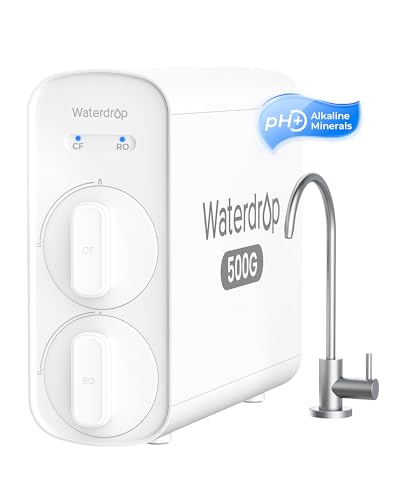
Waterdrop G5P500A Alkaline Mineral pH+ Reverse Osmosis Water Filter, NSF/ANSI 58 & 372 Certified, 8 Stage Reverse Osmosis System, 500G RO Water Filtration System, 2:1 Pure to Drain, Reduces TDS
𝟖-𝐒𝐭𝐚𝐠𝐞 𝐏𝐫𝐞𝐜𝐢𝐬𝐞 𝐅𝐢𝐥𝐭𝐫𝐚𝐭𝐢𝐨𝐧:The reverse osmosis system features an advanced 8-stage filtration process that reduces harmful contaminants such as...
As an affiliate, we earn on qualifying purchases.
Frequently Asked Questions
How Is a Carbon Footprint Measured Accurately?
To measure your carbon footprint accurately, you should focus on carbon measurement methods that track your daily activities. Use footprint calculation tools or calculators that consider your energy use, transportation, and waste. These tools gather data on your habits, converting them into CO2 emissions. Keep track of your consumption, and update your inputs regularly for precise results. This way, you get a clear picture of your environmental impact.
What Are the Biggest Contributors to Personal Carbon Footprints?
The biggest contributors to your personal carbon footprint include energy use, transportation, and lifestyle choices. Using renewable energy for your home and opting for sustainable transportation options like biking, walking, or electric vehicles can profoundly reduce your impact. Cutting back on energy consumption, recycling, and choosing eco-friendly products also help. By making these changes, you actively lower your carbon footprint and support a healthier planet.
Can Reducing My Carbon Footprint Save Money?
Yes, reducing your carbon footprint can save you money. By switching to renewable energy sources, you lower your electricity bills, and choosing eco-friendly products often costs less over time. Simple actions like using energy-efficient appliances or biking instead of driving save money and reduce emissions. Over time, these habits add up, cutting costs and helping the environment. So, making eco-conscious choices benefits both your wallet and the planet.
How Do Industries Impact Individual Carbon Footprints?
You might think individual actions are all that matter, but industries play a big role in your carbon footprint too. Industry emissions from manufacturing, transportation, and energy use impact the environment and influence your daily life. Companies have a corporate responsibility to reduce their emissions, which directly benefits you. Supporting eco-friendly businesses encourages industry change, helping lower overall carbon footprints and making a positive difference for the planet.
What Are the Most Effective Lifestyle Changes to Lower My Footprint?
To lower your footprint, focus on sustainable shopping by choosing eco-friendly products and reducing waste. Switch to renewable energy sources for your home, like solar or wind power, to cut emissions. You can also conserve energy by turning off unused appliances and using energy-efficient bulbs. Transportation habits matter too—consider walking, biking, or using public transit whenever possible. Small changes add up to a significant impact over time.

Waterdrop G2 Reverse Osmosis System, 7 Stage Tankless RO Water Filter System, Under Sink Water Filtration System, 400 GPD, 1:1 Pure to Drain, Reduces TDS, FCC Listed, USA Tech
𝐍𝐒𝐅/𝐀𝐍𝐒𝐈 𝟑𝟕𝟐 𝐂𝐞𝐫𝐭𝐢𝐟𝐢𝐞𝐝 & 𝟕-𝐬𝐭𝐚𝐠𝐞 𝐟𝐢𝐥𝐭𝐫𝐚𝐭𝐢𝐨𝐧 & 𝟒𝟎𝟎 𝐆𝐏𝐃 & 𝟏:𝟏 𝐥𝐨𝐰 𝐝𝐫𝐚𝐢𝐧 𝐫𝐚𝐭𝐢𝐨 & 𝐓𝐚𝐧𝐤𝐥𝐞𝐬𝐬 𝐃𝐞𝐬𝐢𝐠𝐧 &...
As an affiliate, we earn on qualifying purchases.
Conclusion
By understanding and reducing your carbon footprint, you’re taking a step toward a healthier planet—like the heroes in stories who change the course of history. Remember, small actions add up, and your choices matter. Just as a single drop creates ripples in a pond, your efforts can inspire others to join the fight against climate change. Embrace your power to make a difference; together, we can shape a more sustainable future for all.

APEC Water Systems Ultimate RO-Hi Top Tier Supreme Certified High Output Fast Flow Ultra Safe Reverse Osmosis Drinking Water Filter System
SUPREME QUALITY: Built with super long-lasting USA MADE filters, RO-Hi is a durable system that will last for...
As an affiliate, we earn on qualifying purchases.

APEC Water Systems RO-90 Ultimate Series Top Tier Supreme Certified High Output 90 GPD Ultra Safe Reverse Osmosis Drinking Water Filter System, Chrome Faucet
Supreme quality – designed and engineered with only premium components to ensure high quality filtration and a durable...
As an affiliate, we earn on qualifying purchases.